



Newly Added Products

Apple Watch: Consumer tips
Is an Apple Watch worth buying?
For many iPhone users, yes. The Apple Watch works especially well because it fits naturally into the wider Apple ecosystem. It can handle notifications, calls, messages, workouts, Apple Pay, maps, music control and a range of health and safety functions directly from your wrist.
Its biggest strengths are usually:
- very strong iPhone integration
- polished software and app support
- reliable everyday smartwatch features
- broad fitness and health tracking
- easy contactless payments
- a wide range of straps and finishes
If you already use an iPhone, the Apple Watch is often the most seamless smartwatch option available.
What can an Apple Watch do?
Depending on the model, an Apple Watch can offer:
- time, alarms, timers and world clock functions
- notifications for calls, messages and apps
- iMessage support
- Siri voice control
- workout and activity tracking
- heart rate monitoring
- GPS tracking
- sleep tracking
- Apple Pay for contactless payments
- maps and navigation
- music control
- Wallet support for tickets and passes
- smart home control through Apple’s ecosystem
- selected health and safety features such as fall detection on supported models
The exact feature set depends on the model and watchOS support, so it is better to compare current models directly than rely on older feature lists tied to much older generations.
Apple Watch and iPhone compatibility
This is the single biggest buying rule: Apple Watch is for iPhone users.
If you use Android, an Apple Watch is not a practical choice. It is designed to work with iPhone, and proper setup and day-to-day use depend on that connection. If you do not already use an iPhone, you should generally look at Samsung, Garmin, Huawei or other smartwatch brands instead.
Battery life and charging
Older Apple Watch buying guides often rely on stale battery figures from much older generations. In practice, battery life varies by model, display settings, health tracking usage, GPS activity and whether you choose a standard or more rugged version.
The key point for current buyers is that Apple Watch battery life is usually strong enough for daily use, but it is not generally the best option if your top priority is multi-day endurance without regular charging. If that matters more than app depth or iPhone integration, brands such as Garmin may suit you better.
Charging is straightforward, and the Apple Watch ecosystem continues to focus on convenient magnetic charging. Exact charging accessories and speed vary by model.
What about cellular Apple Watch models?
Some Apple Watch models are available with cellular support. For UK buyers, this can be useful if you want to take calls, stream music or stay reachable while leaving your iPhone behind on selected outings or workouts.
However, cellular functionality depends on:
- the specific Apple Watch model
- UK network support
- your mobile plan
- setup compatibility
It is better to think of cellular as a convenience feature rather than assume every buyer needs it. Many people will be perfectly happy with the standard GPS model.
Design, sizes and straps
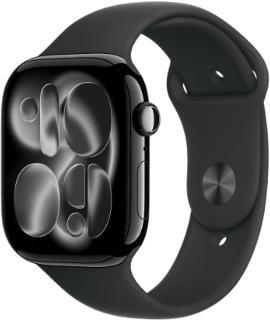
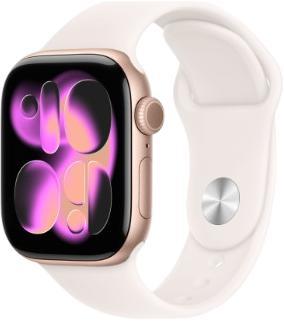
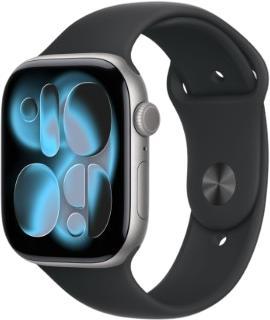
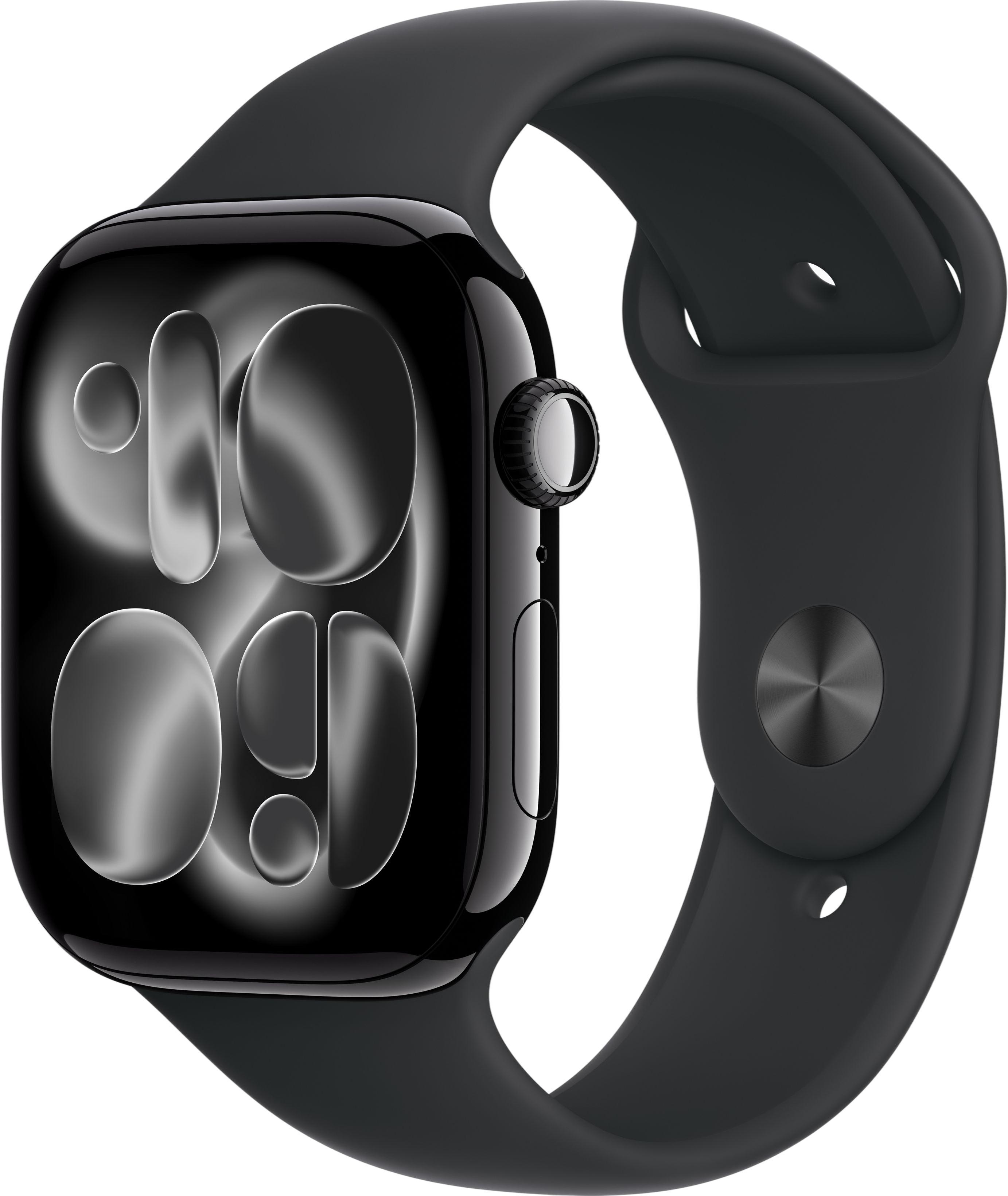
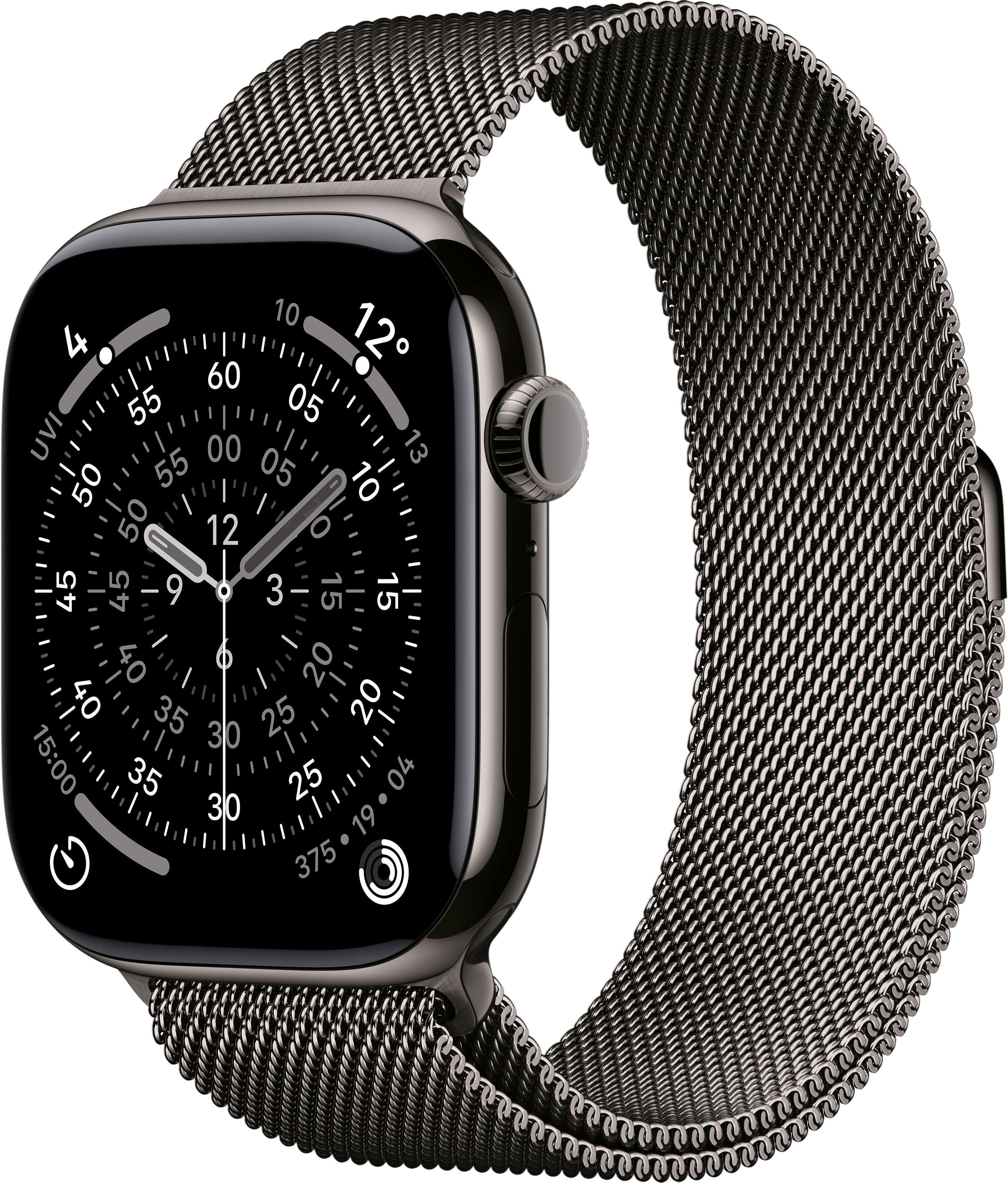
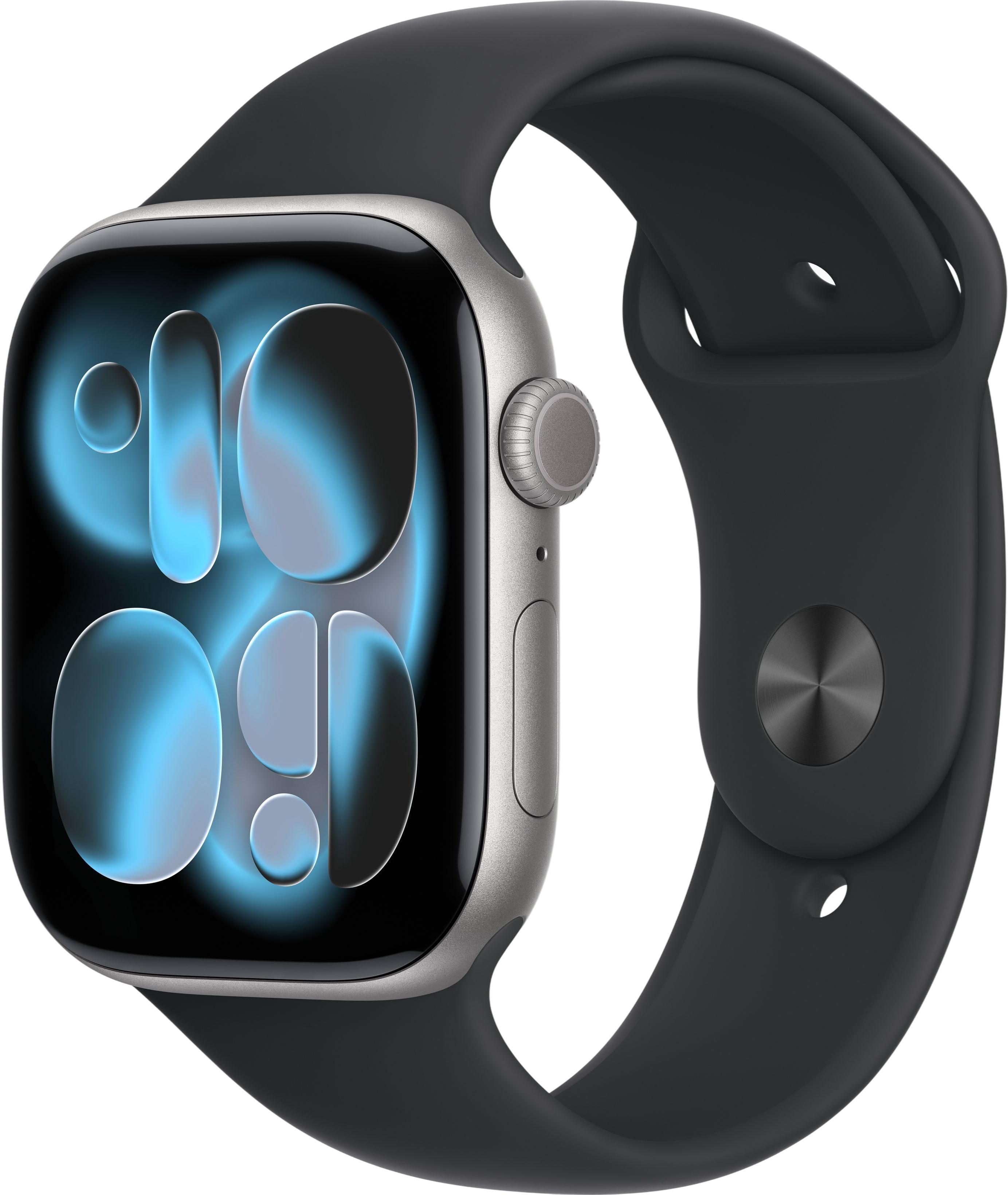
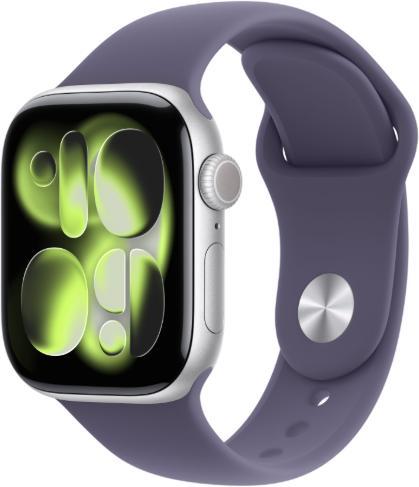
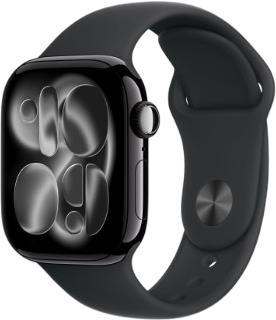
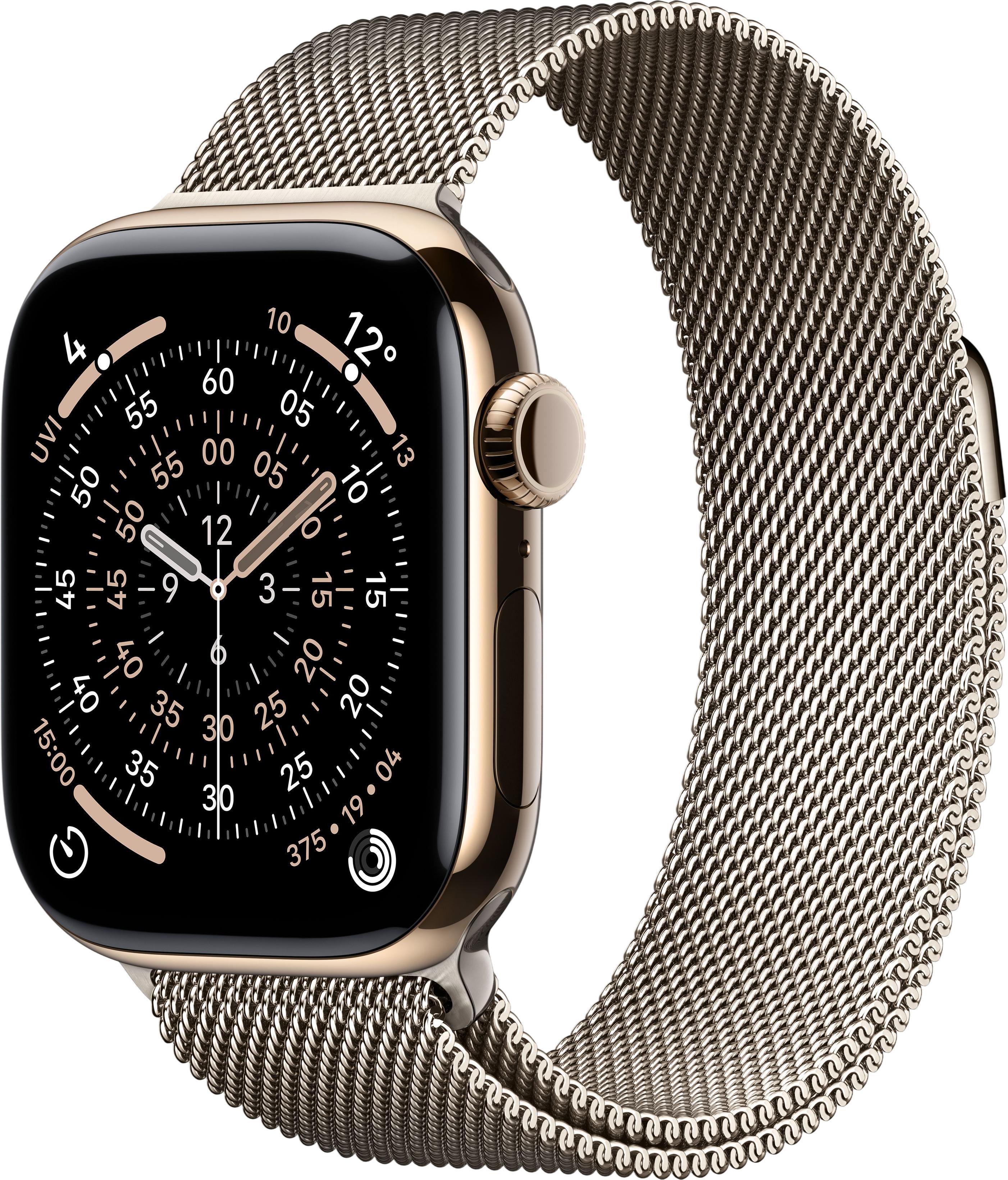
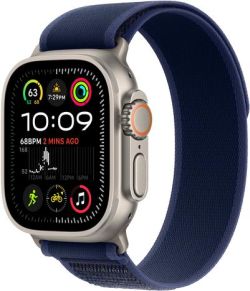
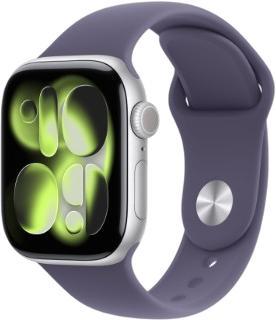
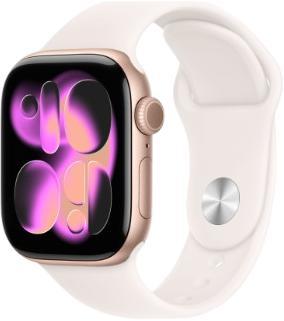
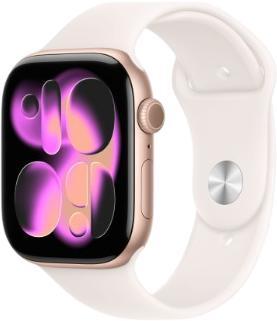
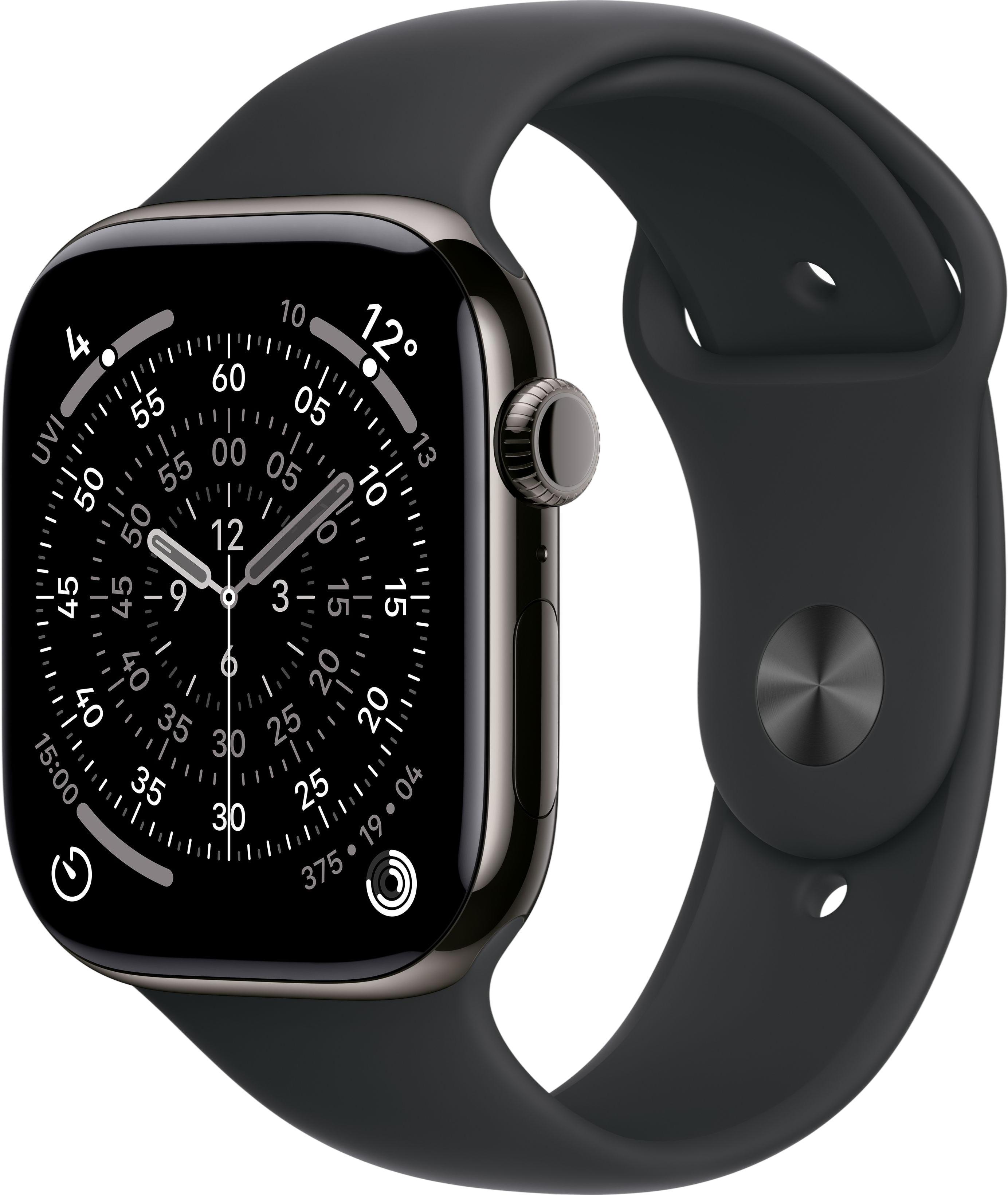
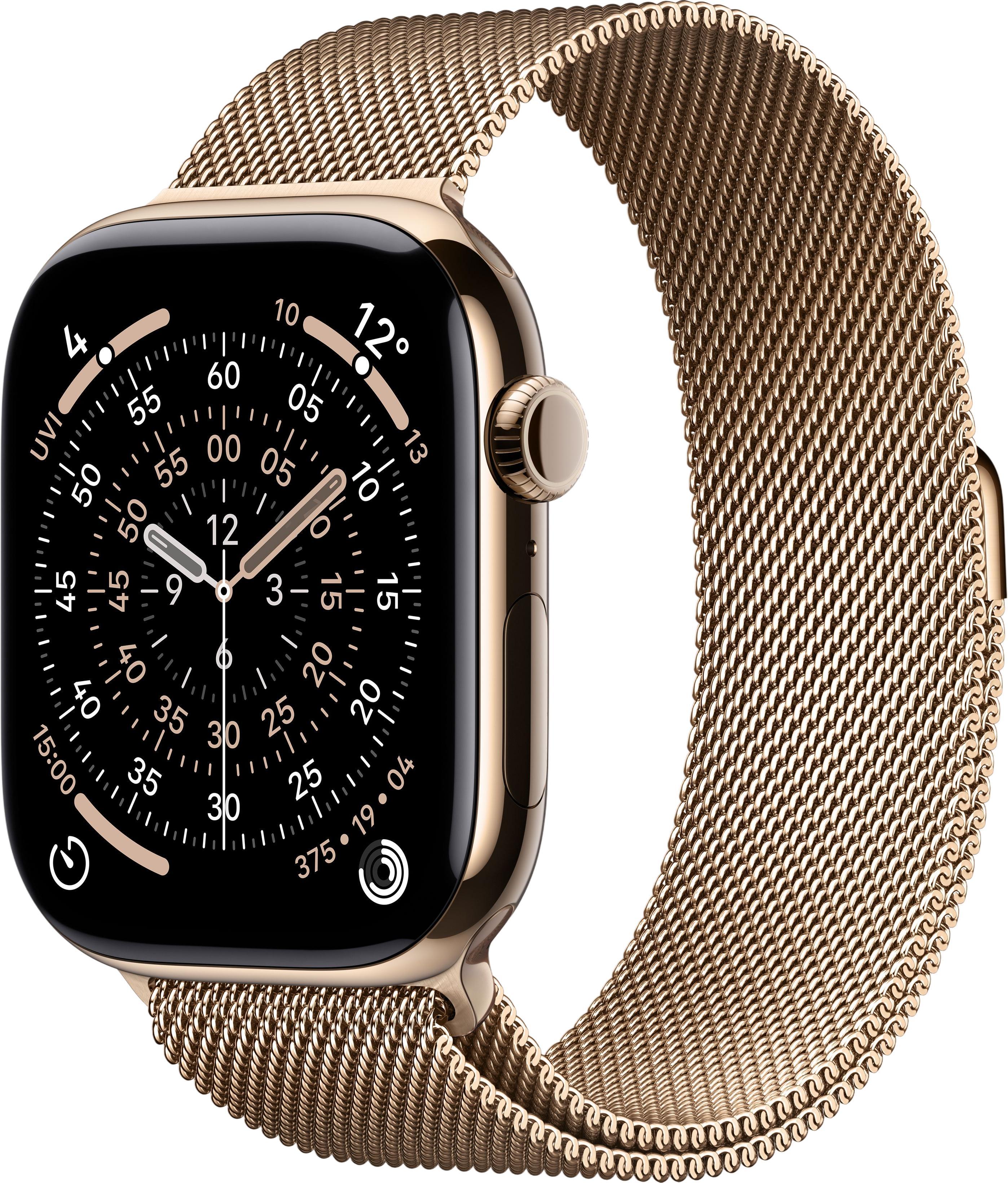
Apple Watch remains one of the most customisable mainstream smartwatches in terms of appearance. Depending on the current range, buyers can usually choose from different:
- case finishes
- case sizes
- strap materials
- sport and lifestyle band styles
However, older lists of materials and strap collaborations can date quickly, so it is better not to treat historic options as a guaranteed reflection of the current range. The more useful takeaway is that Apple offers plenty of scope for personalisation, whether you want a sporty, understated or smarter everyday look.
When choosing a model, comfort and wrist size matter just as much as style. A watch that looks good on paper still needs to feel right all day.
Apple Watch for fitness and health
Apple Watch is a very strong all-rounder for everyday fitness and health tracking. It works well for:
- walking
- running
- cycling
- gym sessions
- swim tracking on supported models
- general daily activity monitoring
It also appeals to buyers who want health and fitness features without moving to a more specialist sports watch. If your main goal is serious endurance training, ultra-distance tracking or maximum battery life, a dedicated fitness-focused watch may still suit you better. But for many users, Apple Watch strikes the best balance between smart features and fitness capability.
Should you buy an older Apple Watch generation?
The idea can make sense if price matters, but only if the model is still current enough to offer good software support, relevant performance and sensible value. The smarter approach is to compare the current Apple Watch lineup and then decide whether a lower-positioned or previous-generation model still available through reputable UK channels offers the features you actually need.
When is the best time to buy?
Apple products do not always see huge discounts, but savings can still appear during major shopping periods such as:
- Black Friday
- Christmas promotions
- retailer clearance events
- model transition periods
That said, it is usually better to choose the right model first and then look for value, rather than buying an unsuitable version just because it is discounted.
Is the Apple Watch good value?
The Apple Watch is not usually the cheapest smartwatch option, but value is not just about headline price. If you already use an iPhone and want the smoothest smartwatch experience, strong app support and reliable day-to-day convenience, it can be very good value over time.
For most buyers, the conclusion is straightforward: if you use an iPhone, an Apple Watch is one of the best smartwatch choices available; if you use Android, it is the wrong ecosystem. The best Apple Watch is the one that matches your budget, battery expectations, fitness needs and preferred size, without relying on outdated model history or old test results.