






Buy ski and snowboard helmets cheaply: Consumer tips

Helmets are so important that in countries like Italy, there is a mandatory helmet law for children under 14 years old. A helmet can also save lives while snowboarding. There is no difference between a snowboard and a ski helmet. In general, it is advisable to buy a new helmet after a fall, even if the old one seems intact! This is because small cracks can form in the helmet due to a fall, which then no longer provides full protection. Additionally, one should consider getting a new model after three to five years of use, as the helmet loses its protective power over time due to UV radiation.
What types of helmets are there?
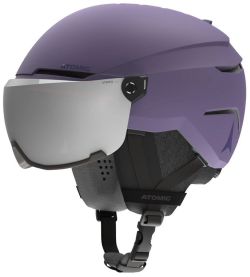
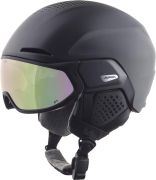
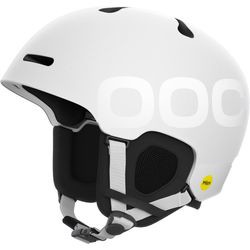
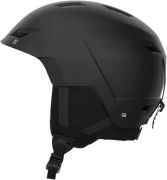
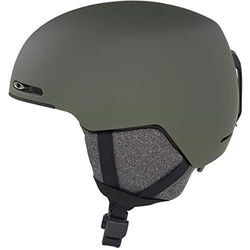
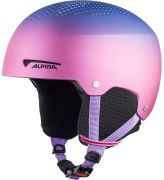
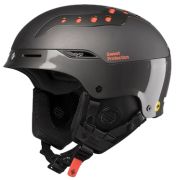
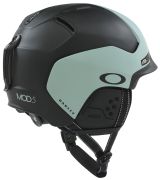
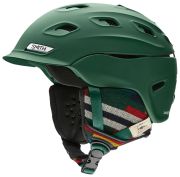
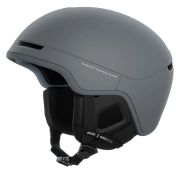
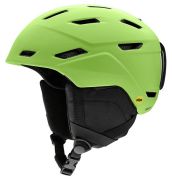
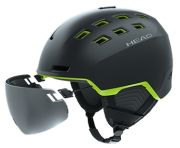
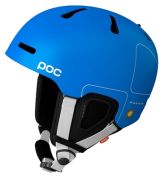
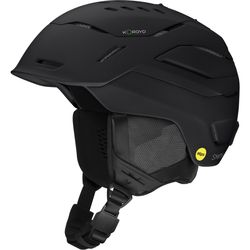
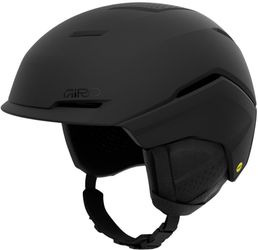
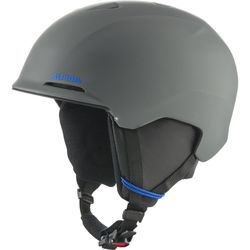
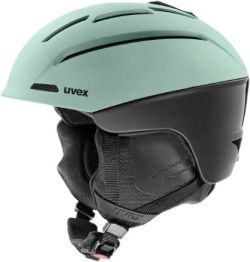
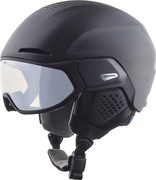
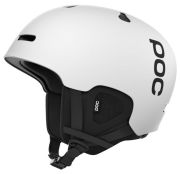
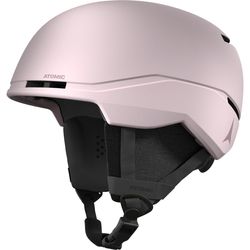
In principle, ski/snowboard helmets are divided into half-shell and full-shell helmets. Half-shell helmets leave the ears exposed, and most models come with extra ear pads. These ear pads can sometimes be removed. They have the advantage of being very comfortable and lightweight, but they generally provide less protection than full-shell helmets. In contrast, full-shell helmets enclose the entire head, including the ears. They offer more safety and are also used for children's helmets. However, full-shell helmets can impair the perception of the surroundings, as the helmet dampens sounds.
What should I pay attention to when buying?
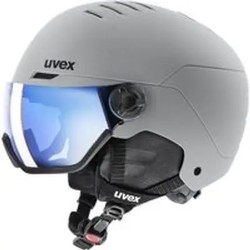
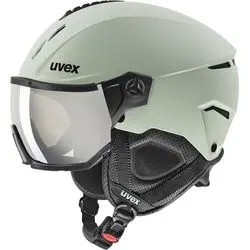
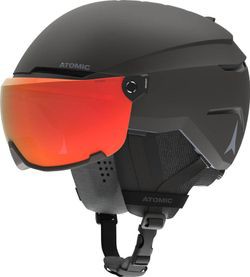
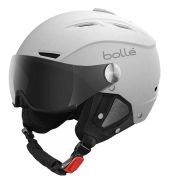
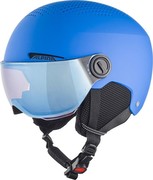
In general, the testing standard EN 1077 should be observed. It states that the helmet type has been tested according to a standardized procedure. The most important criterion when buying should, of course, be the fit. The helmet should fit snugly and not slide back and forth with head movements. However, it should not be too tight, as this could cause headaches. Before purchasing, one should definitely try the helmet on. It should not wobble during head movements without the chin strap being fastened. A good hold of the chin strap should not be underestimated when buying, as in an emergency, the strap keeps the helmet on the head. The chin strap should also be easy to open and close with gloves. If the helmet gets caught in a fall, the chin strap should be able to release itself, otherwise there is a risk of injury to the throat. For the closure, one can choose between a click and snap mechanism. The click mechanism has the advantage that the length of the strap can be adjusted more easily. Additionally, the helmet should provide sufficient protection. Shock absorbers cushion the impact in the event of a fall. Whether the helmet has shock absorption can be seen from its construction. If the helmet has an additional inner shell, a shock is dampened twice. It is also important that the ski goggles (not just visually) fit the helmet. Ideally, one should bring the ski goggles when purchasing and try both on together. The ski goggles should not press uncomfortably, and the helmet should have a holder for the goggles to prevent them from slipping during the ride. Good ventilation of the helmet is also important to allow sweat to evaporate adequately. For personal comfort, attention should be paid to how well the ventilation openings can be opened and closed.