














Buy skis cheaply: Consumer tips

The ski has a running surface as well as a curved tip and is attached to the ski boots or shoes with a binding. Depending on the sport practiced, the shape of the skis varies. The sports are broadly divided into alpine skiing and Nordic skiing. Alpine skiing encompasses all areas of downhill skiing. Nordic skiing includes cross-country skiing, ski jumping, and the Nordic combination (ski jumping and cross-country skiing).
What are the differences between alpine skis and Nordic skis?
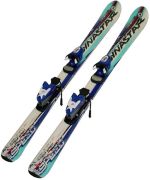
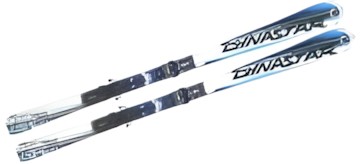
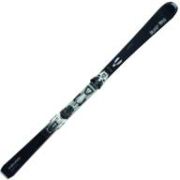
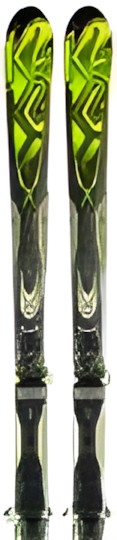
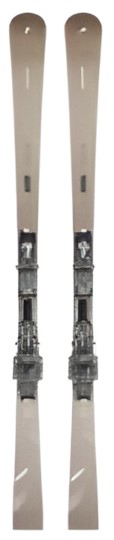
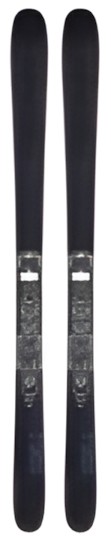
An alpine ski is about ten centimetres wide and has a steel edge that limits the ski base to the right and left. The ski finds grip on snow and ice as well as on steep slopes through the edge. The most common alpine skis are carving skis. For beginners and cautious riders, all-round and easy-carver skis are particularly suitable, as they offer stability, good edge grip, and easy-to-control turning behaviour. For women, lady-carvers are recommended. They are more tapered, and the binding is positioned further forward, which allows for good turning ability. Other carving skis for advanced skiers or individualists include cross-carvers, all-mountain carvers, slalom race carvers, giant slalom race carvers, and freeriders. In addition to carving skis, there are also specialist skis for specific applications in alpine skiing: among others, twintips with both ends curved up for halfpipes and fun parks. Additionally, wide fatboys for deep snow or narrower, less tapered mogul skis for bumps are available. Touring skis with skins strapped or glued underneath for climbing are also available. In Nordic skiing, a distinction is made between cross-country and jumping skis. In both cases, the binding only secures the toe of the shoe, leaving the heel free. Jumping skis are particularly wide (up to 20 cm) and about 2.50 metres long. They are only suitable for use on ski jumping ramps. Cross-country skis are narrow, long, and with them, descents and especially turning are only possible to a limited extent. They are divided into classic racing skis, skating skis, cruising skis, and touring skis.
What should be considered when buying?
There is no universally valid recommendation for a specific type of ski. First, one should consider which type of skiing they want to practice. On which slopes do they want to ski, and what is their preferred style? If one has never used carving skis, they should initially choose those with a large radius, meaning with a not too strong taper. Particularly short skis allow beginners to move very freely in the snow and offer an easily manageable alternative to the long, harder-to-control standard ski. Grippy edges provide better ground contact and are therefore easier to ride. In general, the skis should be matched to the height and weight of the skier.