










Buy ski and snowboard goggles cheaply: Consumer tips

Therefore, it is important to reduce the light entering the eye. A ski/snowboard goggle protects the eyes from the sun, from kicked-up snow, from draughts, and during falls.
What differences are there between ski/snowboard goggles?
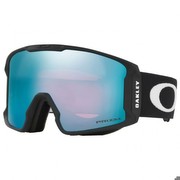
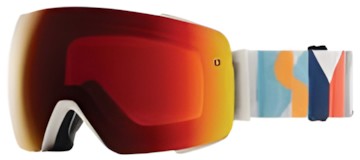
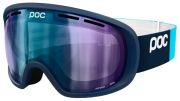
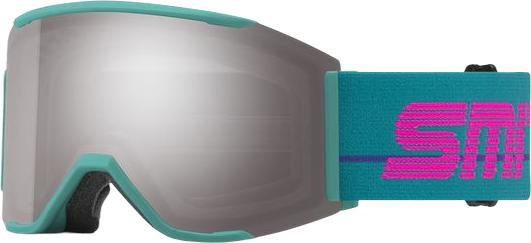
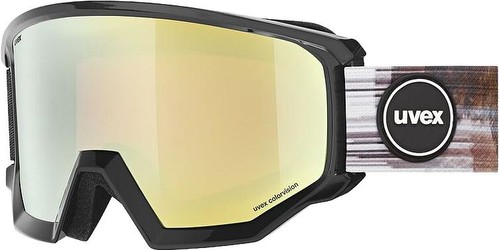
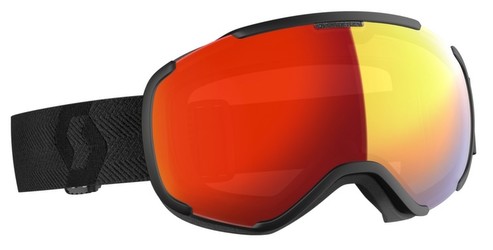
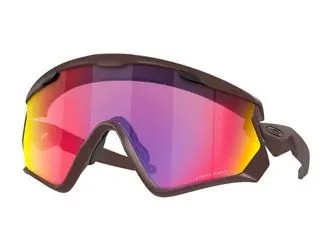
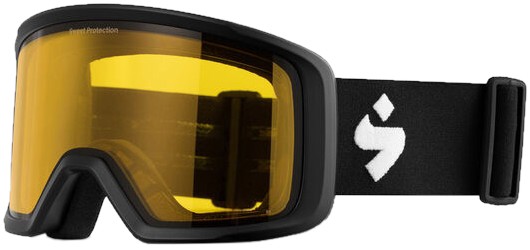
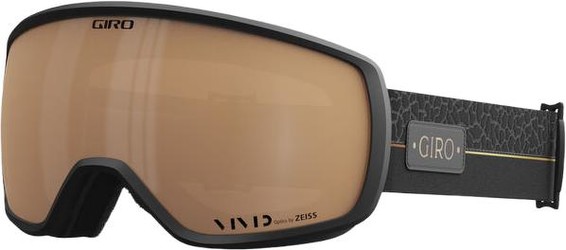
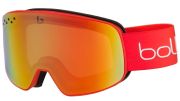
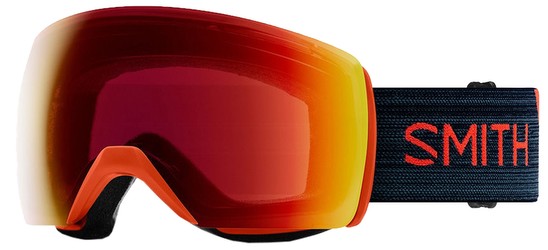
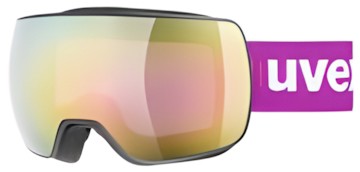
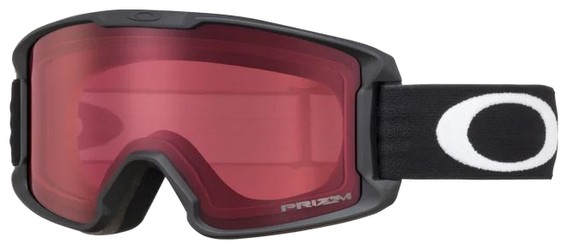
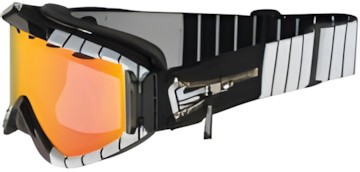
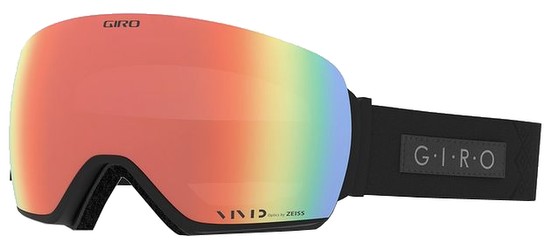
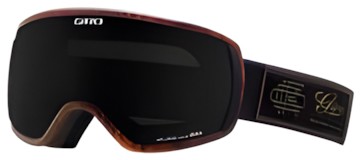
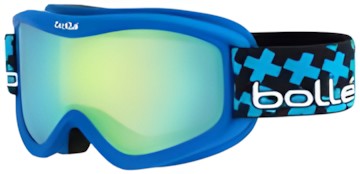
Basically, a distinction is made between ski goggles and regular sunglasses or sports glasses. Ski goggles cover a large part of the face and provide excellent protection against wind, snow, draughts, and light reflections. The eyes are protected all around. Regular sunglasses or sports glasses are usually equipped with a rubber band for better hold and are suitable for skiing in pleasant weather conditions. Another distinguishing criterion is the different tinted lenses. The lenses of a ski/snowboard goggle should have different tints depending on the lighting conditions. In poor lighting conditions due to snowfall and fog, a goggle with a light tint is better suited. For example, yellow filters work particularly well here. In sunshine and cloudy skies, orange filters are recommended. Yellow and orange tones increase contrasts, making unevenness on the slope more visible. Reddish-orange or bluish tones are also advantageous in poor visibility conditions. A brown or grey tint helps in sunshine and bright light. Here, the eyes are most effectively protected from sunlight. Intense bright light requires a high light impermeability. Strongly tinted or mirrored lenses are recommended here. However, be aware that excessive darkening, especially when skiing in twilight conditions, can further impair vision. Practical are models where you can change the lenses of the goggles. This way, you can adapt the ski/snowboard goggles to the current weather conditions at any time and also replace the lenses if they become scratched.
What should be considered when buying?
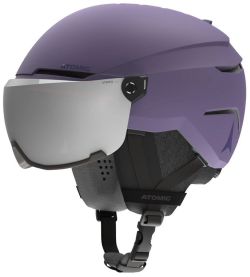
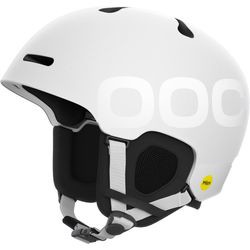
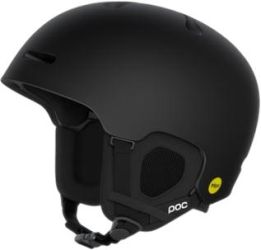
For ski/snowboard goggles, the requirements according to DIN EN 174 must be met. Also, pay attention to the GS test mark! Generally, 100% UV protection (up to 400 nanometres) is important. Furthermore, the goggles should be completely shatterproof and break-resistant. Ideally, the lenses should be made of polycarbonate (plastic). It is important that the goggles fit well and do not fog up. The contact surfaces in the field of vision should be made of soft, elastic, and physiologically compatible materials. Double lenses help prevent fogging during rapid temperature changes and humidity (sweat). Additionally, two overlapping lenses protect the skier from injuries during falls and collisions. Otherwise, attention should be paid to an anti-fog coating (Anti Fog) on the inside of the lens or small air vents. Some models feature a small built-in fan that blows moist air out of the goggles at the push of a button, helping to prevent the lens from fogging up. However, ski/snowboard goggles with this feature are more expensive. A ski/snowboard goggle that is closed at the sides also prevents draughts, which, like excessive sunlight, can lead to visual impairments. It is also important that the ski goggles fit well with the helmet. The headband should be elastic, sufficiently wide, and adjustable so that it securely holds the goggles even during fast maneuvers. A quick-release headband, similar to the clip closures on backpacks, is helpful, allowing for easy putting on and taking off of the goggles even when wearing hats and hoods. Furthermore, a ski/snowboard goggle should restrict the athlete's natural field of vision as little as possible. The field of vision should not be smaller than 160 degrees. Sufficient depth of the goggle frame is essential for glasses wearers so they can wear their normal vision aids under the ski/snowboard goggles. Also, remember that there are special models for women and children that are designed to be narrower to fit their respective face shapes ideally.