

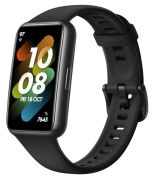
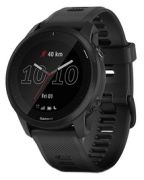
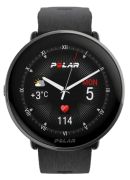
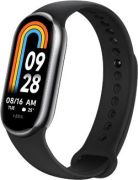
Fitness trackers and watches: Consumer tips
Fitness trackers and watches: partners for training
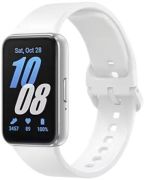
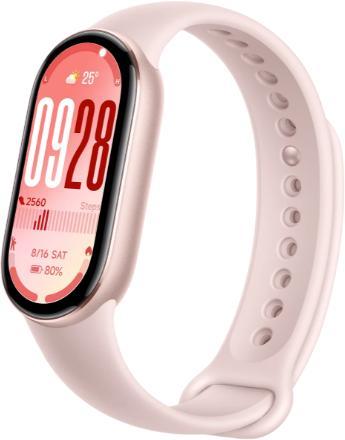
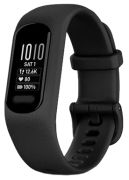
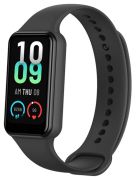
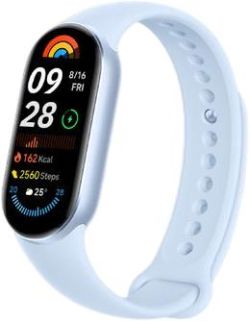
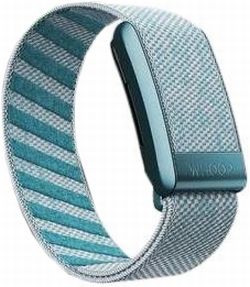
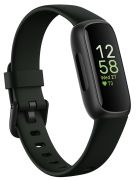
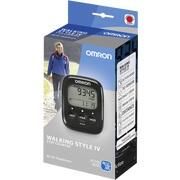
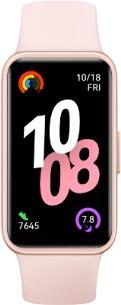
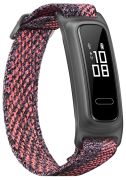
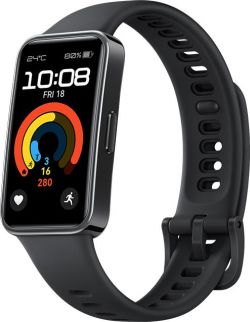
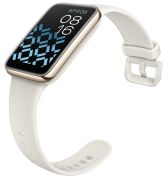
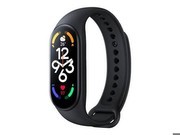
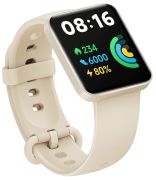
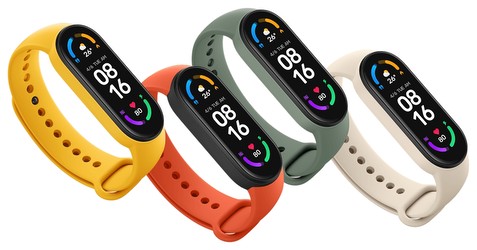
Fitness trackers are very popular due to their compact size and ease of use. For ambitious athletes, features such as heart rate monitoring, sleep analysis, and distance measurement are particularly relevant. Innovative technologies, such as an optical pulse sensor, are also included. The accompanying, user-friendly app is used to evaluate training sessions or route profiles. Features like step counters and calorie counters provide the relevant values, which is very beneficial for setting diet goals. Additionally, many models offer extra motivation mechanisms such as challenges and a reward system that help maintain long-term physical activity. Synchronisation with a smartphone and app connectivity open up nearly unlimited interactive possibilities thanks to self-tracking: personal vital data can not only be analysed but also shared with other users.
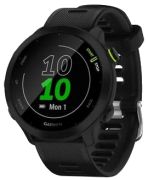
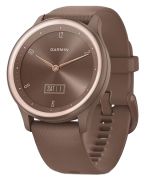
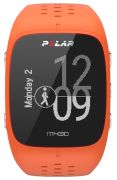
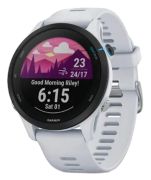
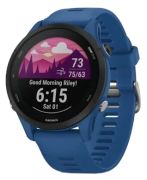
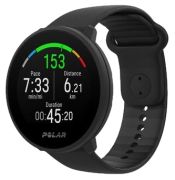
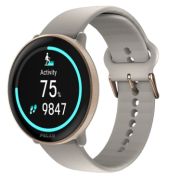
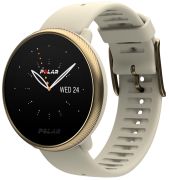
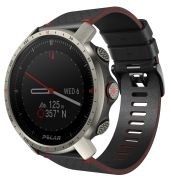
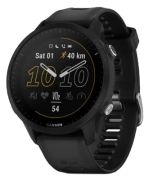
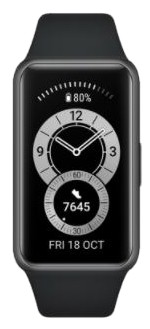
Fitness watches are ideal for sporting activities, both indoors and outdoors. Special emphasis is placed on durability and weather resistance during development, while aspects like style and elegance play a subordinate role. The cases are generally designed to be more robust and less delicate to meet the demands of intense physical activities. Touchscreens are less relevant in this regard, as mechanical buttons and dials offer more reliable functionality. It is a well-known fact that fine motor skills are impaired during intense physical exertion, making the operation of touchscreens a challenge. Buttons, on the other hand, are much easier to operate in such situations. Fitness watches offer a variety of features aimed at supporting training success and enhancing motivation. These include pre-programmed training plans and GPS tracking to facilitate navigation during outdoor hikes, as well as various sensors to monitor biometric values such as heart rate, blood oxygen, and sleep. They are water and dust resistant and offer a long battery life, which can last up to 20 days depending on usage type and duration.
The most important features
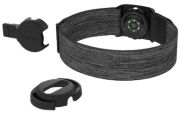
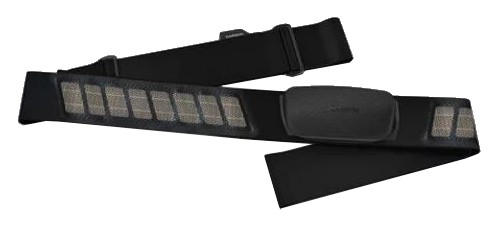
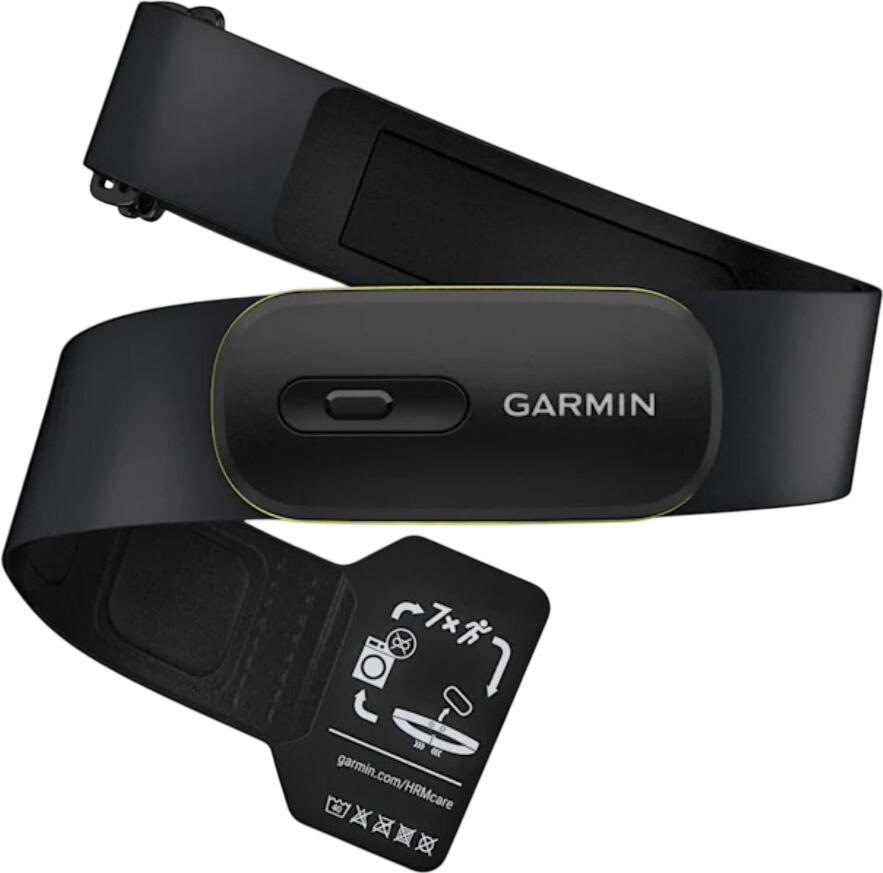
- The heart rate measurement is the central feature of every fitness tracker. It forms the basis for various additional functions. The heart rate sensor sends light through the skin and measures blood flow. Some fitness trackers pair with a chest strap. Those who want accurate heart rate measurement should check before purchase whether the device is compatible. There are hardly any differences in the accuracy of heart rate sensors between inexpensive and expensive devices.
- Every fitness tracker has a step counter in addition to heart rate measurement. The accuracy is very good in the new model ranges of all manufacturers. However, deviations in the low double-digit range per 10,000 steps are possible.
- The sleep analysis is one of the central functions of fitness trackers, alongside activity recording. It can indicate trends and provide insights into whether and which factors play a role in good or poor sleep. Some manufacturers also integrate specific tips into the tracker's app to help users establish healthy sleep hygiene.
- Inexpensive fitness trackers do not have built-in GPS and rely on a connection to a smartphone for GPS tracking. However, all devices can also record a distance travelled without a GPS connection, although the result is somewhat less accurate. Users who rely on high accuracy in distance measurement will choose a fitness watch with integrated GPS and other sports-specific functions.
- Garmin and Fitbit equip their devices with a payment function. This allows users to take advantage of contactless payment services with the tracker. For individuals who frequently pay cashless, such a function can be a factor when purchasing a fitness tracker.
A tracker for every sport?
There are models specifically designed for swimmers. These fitness trackers are waterproof and offer features such as swim style detection and lap counting. For runners, there are fitness trackers that have built-in GPS, allowing for precise distance measurement and speed tracking. For cyclists, there are models that measure speed, distance, and elevation. Some of these fitness trackers can even pair with bike computers to display data in real-time during rides. Specialized fitness trackers are generally more expensive than fitness trackers for general use.
Display and battery life
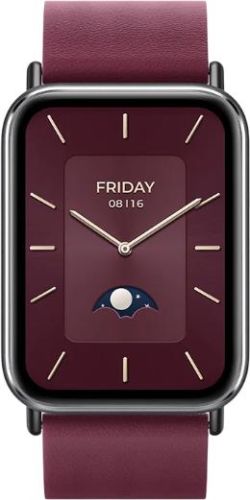
Whether fitness tracker or sports watch, the dial and hands, as well as all other values, are displayed digitally as a projection. Like smartphones, the displays are colour, sunlight-readable, and touch-sensitive. The high-end models usually come with OLED displays, while cheaper sports watches and fitness trackers use LCD technology. The display occupies the entire front of the watch or tracker. There are round and rectangular displays, with various sizes available to fit every wrist. Exceptions exist for fitness trackers and fitness bands.
Battery life plays an important role. Here, the individual models can differ significantly. The battery life of current devices ranges from 7 to 20 days, depending on usage. Those who frequently use the tracker at maximum display brightness, with GPS activated, and engage in daily workouts should expect the battery life to be shorter than what the manufacturer states for average use. The brightness of the display also plays a role in usage: some models have a display whose brightness leaves much to be desired, especially in sunlight.