


Denver Fitness Tracker: Consumer tips
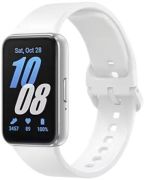
What Denver wearables typically offer
Across Denver’s current wearable range, the core feature set is still based around the basics most entry-level buyers expect:
- step counting
- heart-rate tracking on many models
- sleep tracking
- calorie estimates
- call and message notifications
- Android and iPhone compatibility
- app syncing for basic health data
- water-resistance on selected models
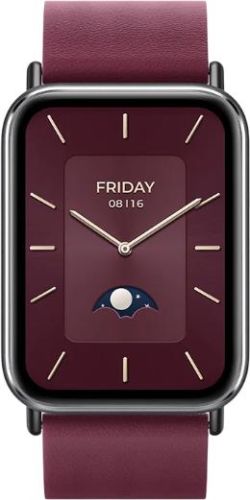
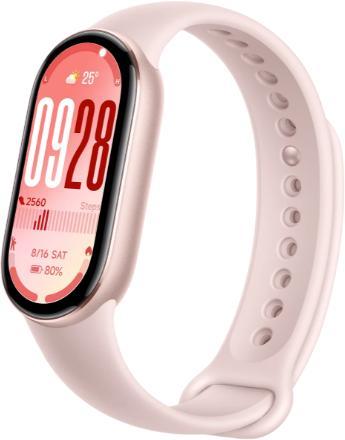
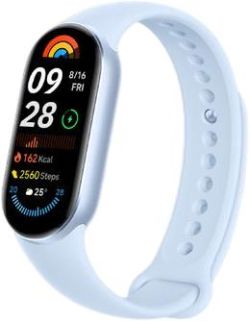
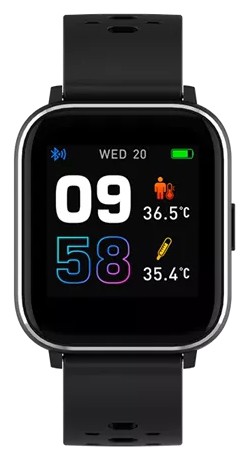
Current Denver products also show that the range now spans both simple fitness bands and more smartwatch-style devices with larger colour screens, Bluetooth calling and, on some models, built-in GPS. For example, the Denver SWC-184B includes heart-rate tracking, 130+ sport modes, Bluetooth calling, Google Fit and Apple Health support, while the SWG-339 adds built-in GPS and claims up to 20 hours of GPS tracking.
GPS is not standard on every model
If you specifically want route tracking for running, hiking or cycling, do not assume every Denver wearable includes GPS. That remains a model-dependent feature. Denver’s current range includes GPS-equipped watches such as the SWG-339 and SWG-159B, but many cheaper bands and watches still rely on simpler activity tracking without onboard GPS.
For most casual buyers, that is not a problem. But if outdoor exercise is a priority, GPS should be one of the first things you check.
Connectivity has moved on
Older buying advice that highlights Bluetooth 4.0 is now out of date. Current Denver wearables listed on the manufacturer’s site show newer Bluetooth versions such as Bluetooth 5.0 and Bluetooth 5.4, depending on model. That is much more in line with what buyers should expect in 2026.
In practical terms, that means you should judge a Denver wearable by its actual current specification page rather than relying on older generic claims.
Battery life: check the exact model
Battery life varies sharply across the Denver range, so broad one-size-fits-all promises are not very useful. Current official listings show very different figures depending on screen size, features and GPS use. For example:
- the Denver SWC-184B is listed with up to 5 days of use and 12 days standby
- the Denver SWG-339 is listed with up to 7 days of use and 20 hours of GPS tracking
Are Denver fitness trackers waterproof?
Water resistance is another area where the answer depends on the exact device. Denver currently lists some models with IP67 and others with IP68 ratings. For example, the SW-162 is listed as IP67, while the SWG-339 is listed as IP68.
For everyday use, that generally makes Denver wearables suitable for:
- sweat during exercise
- rain
- handwashing
- some splash exposure
However, buyers should still be cautious about assuming that every IP-rated tracker is ideal for regular swimming or water sports. The safest approach is to follow the manufacturer guidance for the exact model rather than relying on the headline IP number alone.
App support and ecosystem
Denver does not use one single app across every wearable. Current models on the official site reference several apps, including:
- Denver Smart Life Plus
- Denver Smart Life
- Da Fit
- FitPro
- Fit4Kid
Some current models also list support for Google Fit and Apple Health, while others do not. For example, the SWC-184B and SW-162 both list Google Fit and Apple Health support, while the SWG-339 page says no for both.
That matters because app quality is often the biggest difference between a merely cheap wearable and a genuinely useful one. A tracker can look good on paper, but the real experience depends heavily on how clearly the app presents your data, how stable syncing is and whether the watch works well with the health platform you already use.
Who should buy a Denver wearable?
Denver is best suited to buyers who want:
- a low-cost first fitness tracker
- basic step and sleep tracking
- simple on-wrist notifications
- a budget-friendly smartwatch for light everyday use
- a casual activity companion rather than a serious training tool
If that sounds like you, Denver can be a reasonable choice. The brand’s current products clearly remain focused on affordable smartwatches and fitness bands rather than premium sports watches.
Who should spend more?
You should probably look beyond Denver if you want:
- highly accurate sports tracking
- stronger GPS performance
- better long-term software support
- more detailed health insights
- a more refined app ecosystem
- advanced training features for running, cycling or gym use
For buyers who mainly want dependable fitness analysis rather than just low pricing, a step up in budget is usually worthwhile.
What shoppers should check before buying
Before choosing a Denver fitness tracker or smartwatch, make sure you confirm:
- whether it has built-in GPS or not
- which app it uses
- whether it supports Google Fit or Apple Health
- the Bluetooth version
- the realistic battery life
- the IP rating
- whether the watch offers Bluetooth calling or only notifications