





Buy heart rate monitors cheaply: Consumer tips

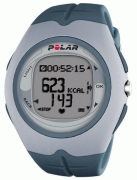
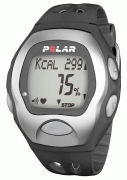
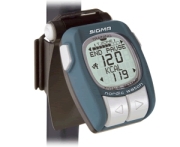
But even when cycling, fitness training, or swimming, a heart rate monitor is suitable for continuous monitoring of training. The devices measure the pulse, and many of them allow for setting upper and lower limits, known as the programmable heart rate target zone. The athlete can align the training intensity with the heart rate measurement. This enables a more effective workout and helps avoid overexertion during sports. Additionally, most devices offer extra, versatile functions. Common features include a stopwatch, calorie consumption display, heart rate display, pedometer, and altimeter. More comprehensively equipped heart rate monitors also provide individual storage options, an alarm clock, as well as a thermometer and an integrated bike computer with a speed display and a distance measurement. Some models even have a PC connection, allowing the stored training data to be transferred to a computer.
What different heart rate monitors are there?
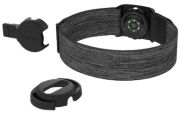
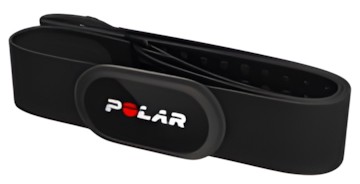
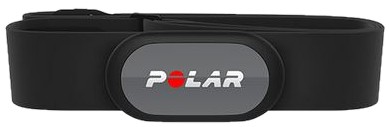
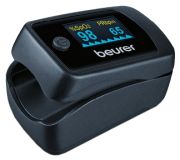
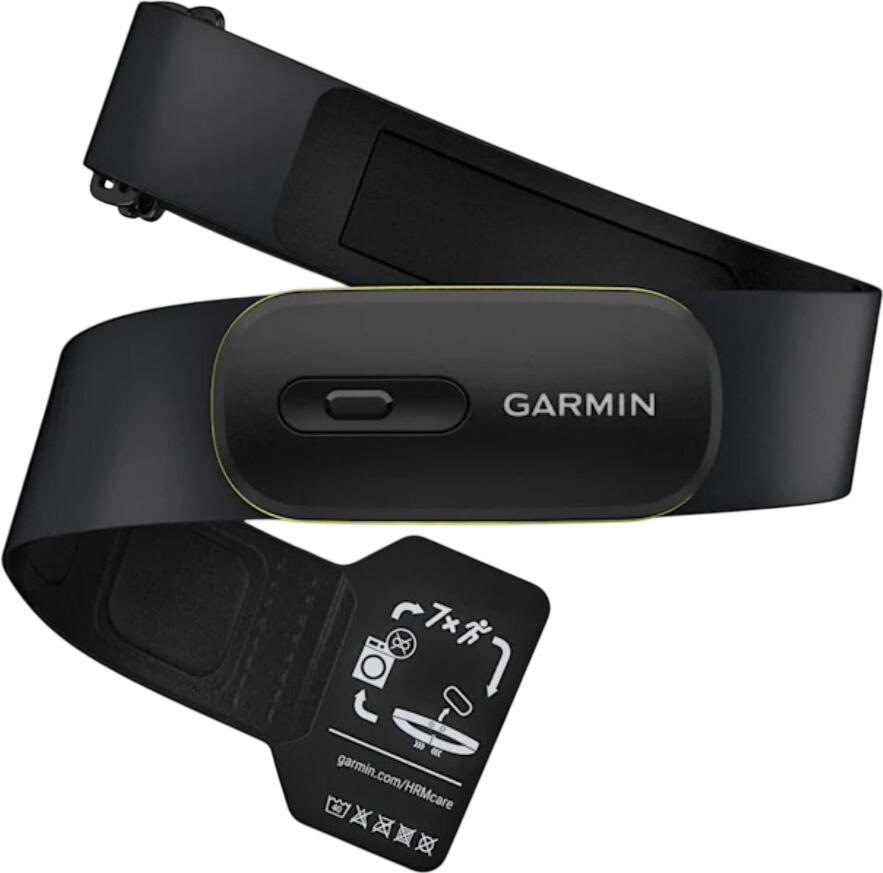
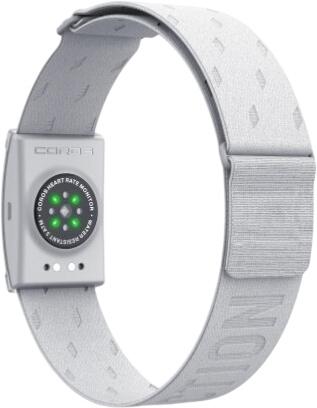
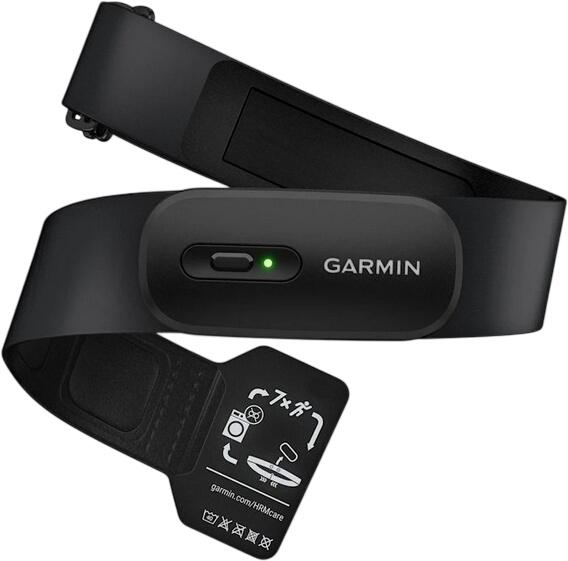
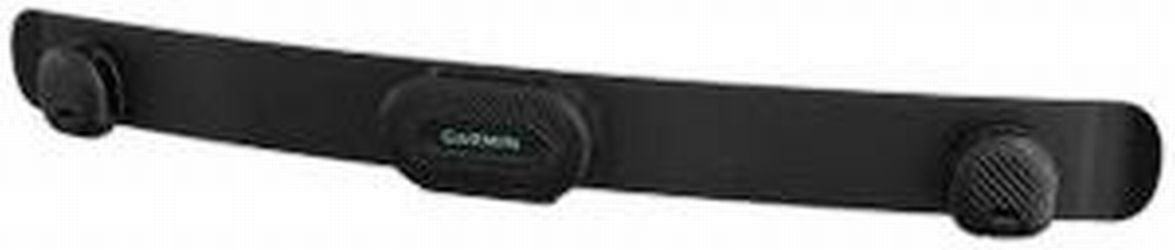
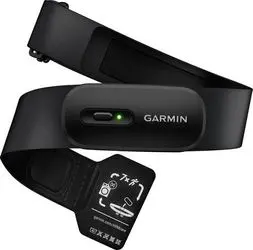
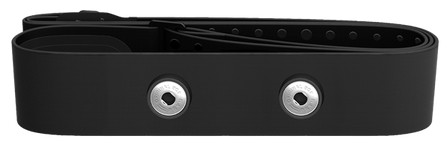
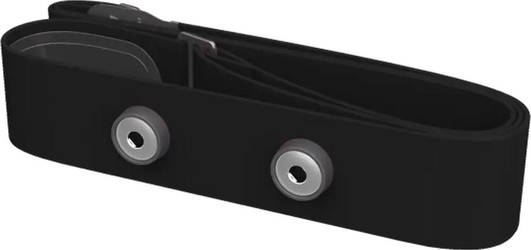
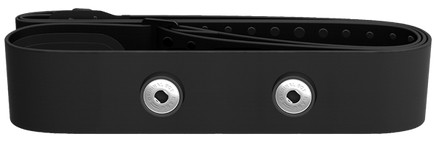
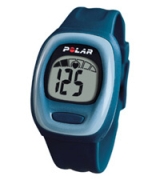
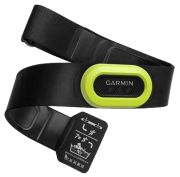
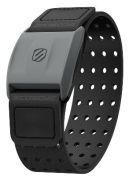
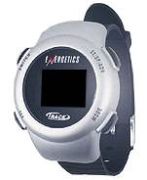
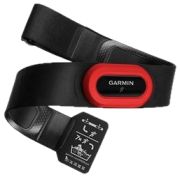
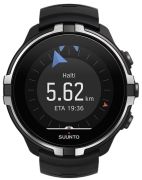
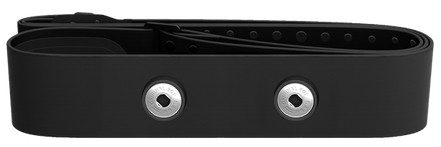
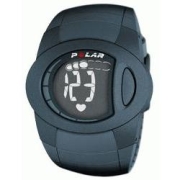
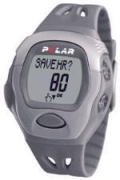
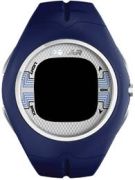
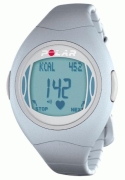
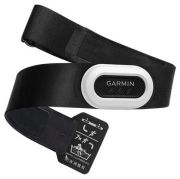
Generally, heart rate monitors consist of a sensor and a watch. There are analog and digital variants. Analog ones use a cable to transmit the pulse from the sensor to the watch, while digital ones use a wireless connection. Sensors can be chest, finger, or ear sensors. Devices with finger sensors have the advantage of being cable-free and wireless. The sensors are directly integrated into the watch. However, they can only measure the pulse at the push of a button, meaning there is no continuous measurement. This is different for models with ear and chest measurement. Ear sensors measure the pulse at the ear and transmit it via a cable to the watch display. This transmission method is just as resistant to interference as the finger sensor. The downside is that the cable can potentially hinder training. For chest heart rate monitors, the athlete wears a chest strap around the upper body. The measurement values are transmitted to the watch via radio. The advantage of continuous measurement is countered by the potential for interference during data transmission. Especially in cities, where radio interference is already high, or under power lines, radio interruptions can occur. Coded radio heart rate monitors use a modulated frequency range, unlike uncoded ones, which all use the same radio frequency.
What should be considered when buying a heart rate monitor?
A heart rate monitor should first and foremost be comfortable to wear and have as low a weight as possible. A device with a chest sensor must fit snugly but still be comfortable to wear. Size-adjustable models are recommended for these. Regarding functionality, the purchasing decision should be guided by training needs. In principle, in addition to the pulse display, other basic functions such as a stopwatch, heart rate display, or calorie consumption display should be available. An additional pedometer is particularly interesting for runners, while altimeters or integrated bike computers are more beneficial for cyclists. Individual storage options for training times and progress are especially interesting for more professional athletes. If the devices are intended for interval training, an integrated, programmable timer is necessary. For group sports, uncoded radio heart rate monitors are not recommended, as they can interfere with each other. Coded variants should be chosen instead. Attention should also be paid to the measurement accuracy of the devices, which ideally should be EKG-accurate. For evening sports, heart rate monitors with a backlight are advisable. To ensure the heart rate monitor is protected against rain, moisture, dust, and dirt, a waterproof model should be chosen.