




Power Racks & Smith Machines: Consumer tips
What types of home strength machine are there?
Multi gyms
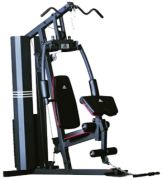
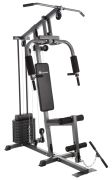
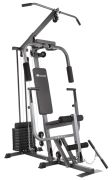
A multi gym is the most common all-in-one home option. It usually combines a weight stack, press arms, high and low pulleys and a leg developer in one machine. Some larger models add extra stations or support two users at once.
A multi gym is best for:
- general home strength training
- beginners and intermediate users
- guided exercises
- households that want one compact machine for several muscle groups
Power racks
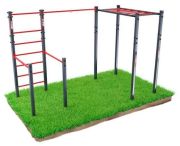
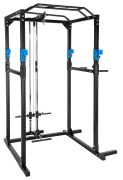
A power rack is a better fit for buyers who want to train with barbells, benches and free weights. It is more flexible for squats, presses and heavier compound lifts, but it requires more knowledge, more accessories and more space.
Smith machines
A Smith machine uses a guided bar path and is popular with users who want more support and structure than a free barbell setup offers. Some modern home systems combine a Smith machine with cable pulleys, storage and rack features.
Functional trainers and cable machines
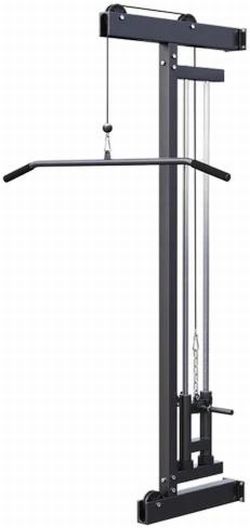
These focus more on adjustable cable work and can be excellent for more versatile movement patterns, accessory work and smoother resistance training.
What are these machines suitable for?
A good home gym machine helps train:
- chest
- back
- shoulders
- arms
- legs
- core
They are mainly used for strength training and muscle development, but depending on the setup, they can also support general fitness, movement quality and structured home workouts. Guided machines can be especially useful for people who prefer more controlled movement patterns or want a straightforward way to train at home.
That said, they are not all the same. A traditional multi gym is more movement-guided, while a power rack or functional trainer usually offers more flexibility and progression.
What should you look for when buying?
Frame strength and stability
A solid frame is one of the most important features. Look for:
- strong steel construction
- stable base design
- tidy weld quality
- secure fixings
- a machine that feels planted under load
For heavier users or stronger lifters, stability matters even more.
Type of resistance
For most modern home-gym buyers, the most relevant resistance systems are:
- selectorised weight stacks
- plate-loaded systems
- cable resistance systems
These are generally more relevant today than older broad references to elastic resistance. The best system depends on your training style. Selectorised machines are convenient and fast to adjust, while plate-loaded options can be better for heavier or more progressive strength work.
Smooth pulley action
A good cable and pulley setup makes a huge difference to how premium and effective a machine feels. Look for:
- smooth cable travel
- low-friction pulley movement
- durable cable materials
- secure adjustment points
A jerky or rough cable system can quickly make training less enjoyable.
Adjustability
A machine should fit the user, not the other way round. Useful adjustments include:
- seat height
- backrest position
- cable height
- press-arm or attachment settings
- safety stops where relevant
If more than one person in the household will use it, adjustability becomes even more important.
Weight range
Make sure the machine offers enough resistance for your current level and some room to progress. A home gym that feels too light after a few months can quickly become poor value.
Space matters more than many buyers expect
Before buying, check:
- footprint
- height
- ceiling clearance
- space needed around the machine
- whether doors and accessories can move freely
- whether a bench is included or needs extra room
This is especially important, where spare rooms, garages and garden buildings can vary a lot in width and ceiling height. A machine may technically fit on paper but still feel awkward in use if there is not enough room to load plates, adjust cables or move around it safely.
If space is tight, a more compact multi gym or foldable design may be worth considering, though foldable machines are not always the best option for heavier or more serious training.
Noise and home use
Noise is an underrated buying factor for home gym equipment. Buyers are using machines in:
- garages
- spare rooms
- garden rooms
- upstairs rooms
- shared household spaces
That makes smoother pulley systems, solid construction and quieter operation more important than older buying guides often suggest.
Buying points to check
It is worth looking for:
- UKCA or CE marking where relevant
- clear warranty terms
- UK delivery options
- whether installation is included or extra
- floor protection requirements
- realistic assembly difficulty
- after-sales support and spare-parts availability in the UK
With larger machines, delivery and assembly matter almost as much as the specification. Some products arrive flat-packed and require significant setup time, while others may need professional installation or at least two people to assemble safely.
Which type is best for most home users?
For most people who want a straightforward all-in-one strength setup, a multi gym is still the most practical choice. If your focus is barbell training and progressive strength work, a power rack may be the better long-term option. If you want a guided bar path plus broader strength capability, a Smith machine can be an appealing middle ground.