


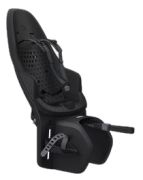
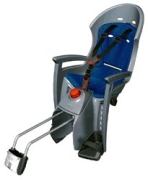
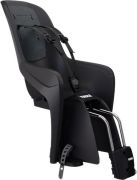
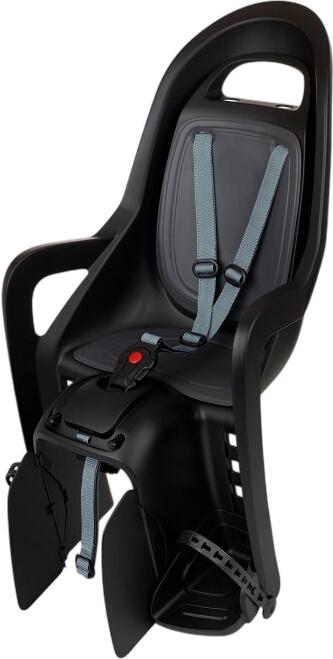

Buy child bike seats cheaply: Consumer tips
Only children under seven years old may be transported by persons who must be at least 16 years old. The seats can be attached in various places on the bicycle, which is also where the different models differ.
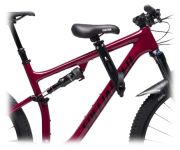
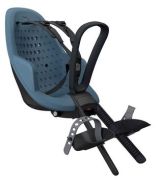
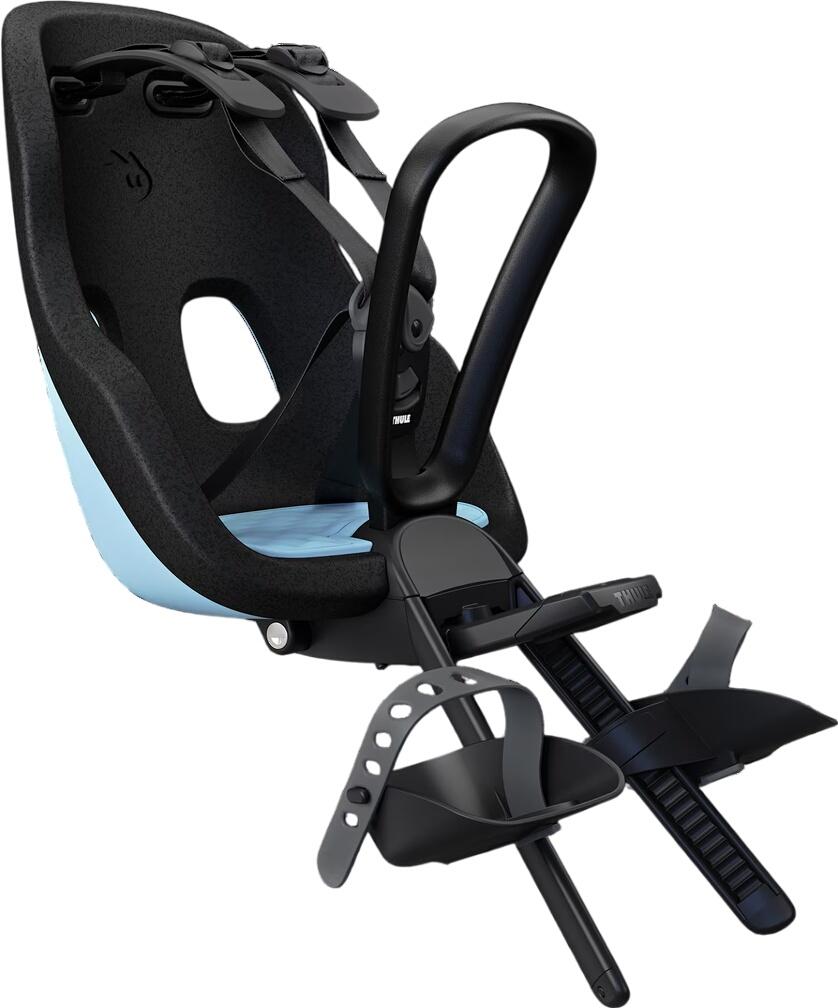
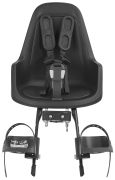
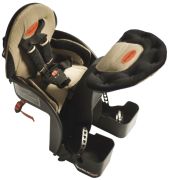
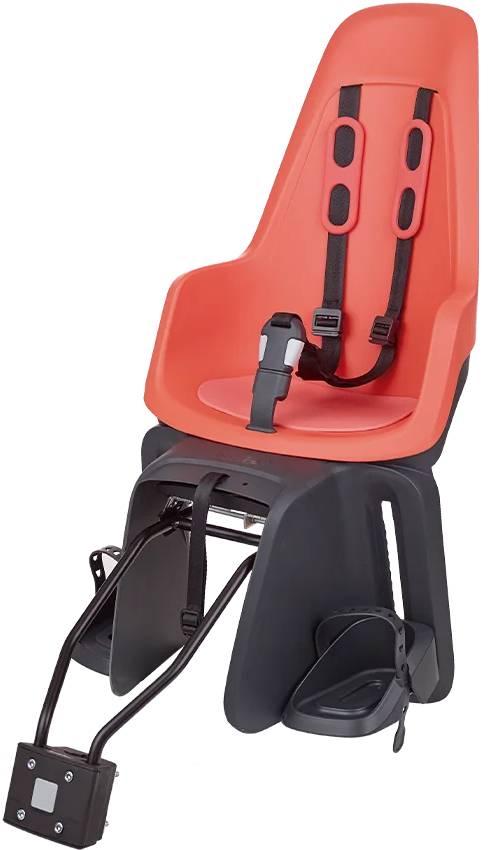
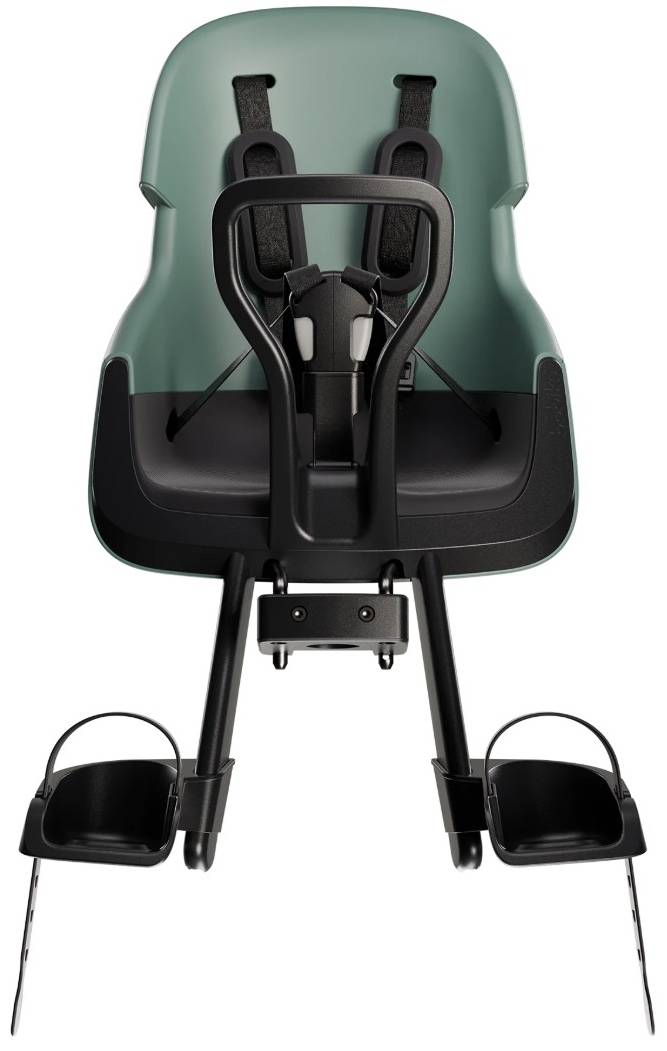
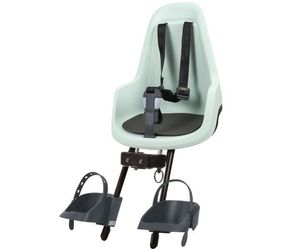
For example, there are seats that are attached at the front, that is, at the handlebars. Here, they either face the direction of travel and are fixed in front of the handlebars, or they face the opposite direction, that is, towards the rider. These models can carry children weighing a maximum of 15 kilograms. Children up to 22 kilograms can, however, also be transported on the luggage rack. If you want to attach the seat at the front of the bike, it is important to ensure that the handlebars are not overly restricted in their steering by the seat, as this could pose a risk of pinching the child's legs between the handlebars and the seat. Additionally, in this seating position, the child can pull on the handlebars or the brake levers. It should also be noted that the backrest of the seat is not as high as in other systems, as this could otherwise obstruct the view. This has the disadvantage that the child is not optimally secured.
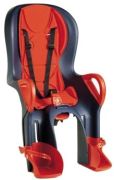
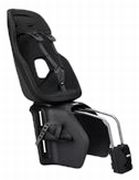
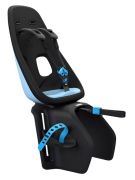
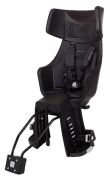
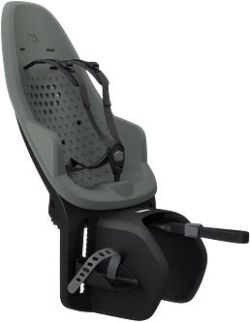
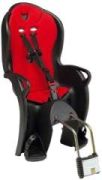
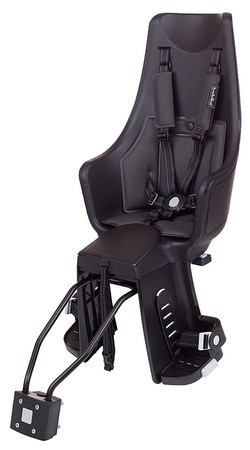
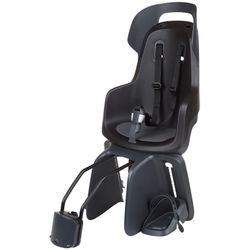
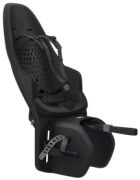
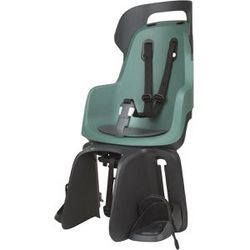
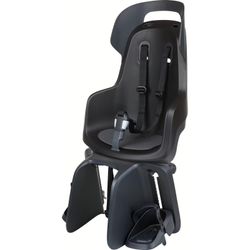
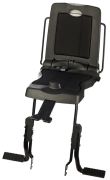
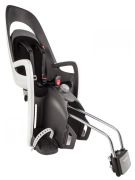
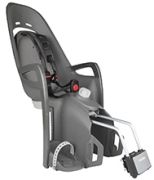
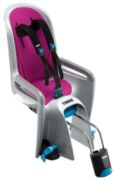
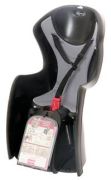
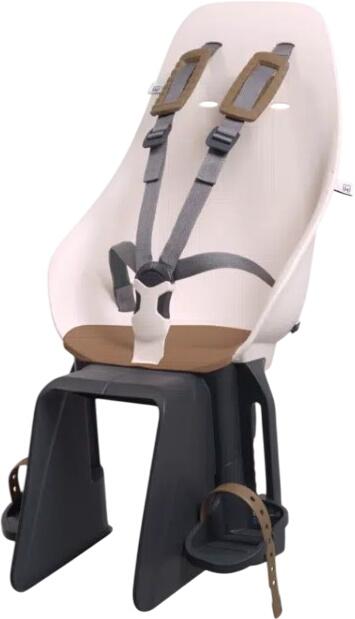
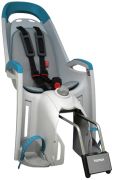
The other option is the luggage rack attachment. As mentioned, children up to 22 kilograms can also be transported here. It is important that the luggage rack can bear this load. Some luggage racks, for example, are only approved for 15 kilograms. It is crucial that the saddle springs are not exposed, as children often stick their fingers in between to hold on. If the springs are exposed, purchasing a spring cover is essential to reduce the risk of injury to the child. In this construction, it is also advisable for the bike to have a double-leg stand to stabilise the bike when parked, so it does not tip over. Additionally, the backrest should be high enough for the child to rest their head on.
What should I consider when buying?
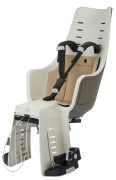
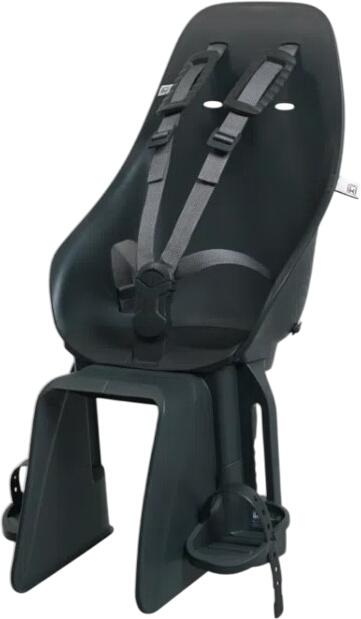
When purchasing a child bike seat, there are many important points to consider. To ensure the child's safety, the seat should have a good harness system. The so-called five-point harnesses, which are routed over the child's shoulders and fastened between the legs, are considered optimal. To ensure that the straps always fit snugly, they should be adjustable and conform well to the child's body, otherwise, the children could fall out of the seat sideways. Similar to the straps, the head and footrests should also be adjustable so that the child seat can "grow" with the child. The seat should also have a footrest to protect the child's legs from the spokes. Reclining backrests on luggage rack seats are practical, as the child can sleep during the ride, but they can lead to a significant shift in weight of the entire bike, which can affect steering and control. Additionally, the fabric covers of the seats should be removable and washable, as they are often exposed to various weather conditions. To ensure the safety of the child bike seat, the seat should be TÜV-tested and have the GS mark. It should be noted that in addition to transporting a child bike seat, the bike should not carry any other loads (such as shopping or similar), as this can significantly restrict control over the bike.