





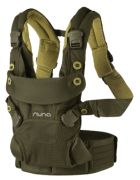
Buy baby carriers cheaply: consumer tips

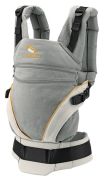
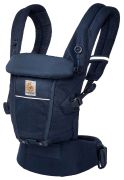
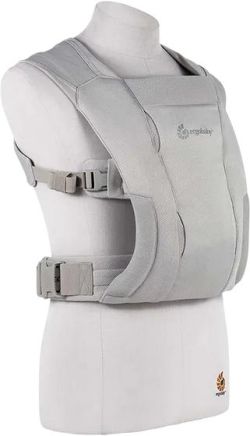
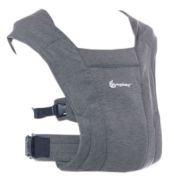
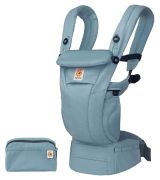
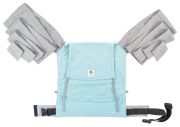
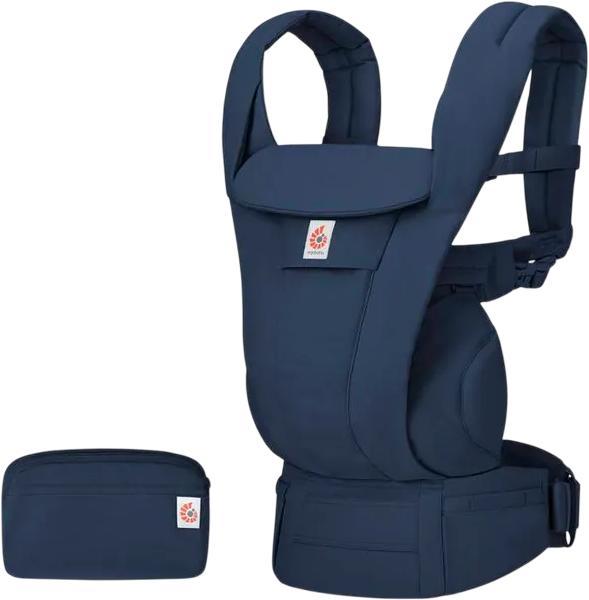
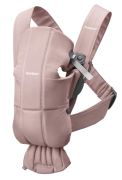
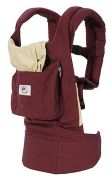
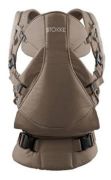
If parents do not feel confident using a wrap, they can also opt for a baby carrier, which serves the same purpose but is easier to handle.
When the baby is carried close to the body, it instinctively experiences a sense of security and safety. Additionally, the close physical contact with the mother or father can have a calming effect on the baby, resulting in less crying. The child's cooling in cold weather is prevented by the body heat of the carrier. The baby carrier also trains the sense of balance and massages the child through movement, which can reduce bloating and cramps. Furthermore, a carrier has a positive effect on the child's hips and spine. Baby carriers are space-saving and thus offer more freedom of movement than, for example, prams. They can be used almost anywhere, and the carrying parent still has both hands free. This can be very useful, for instance, when doing household chores or while shopping.
What types of baby carriers are there?
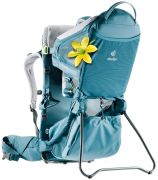
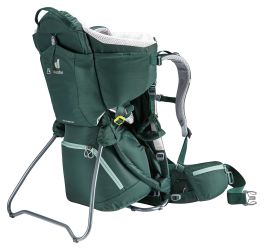
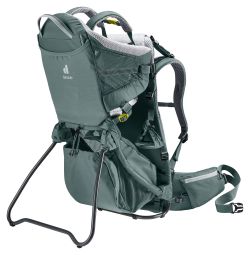
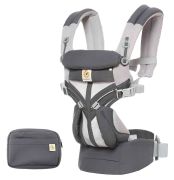
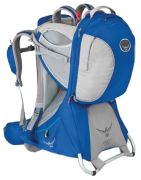
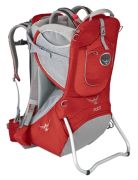
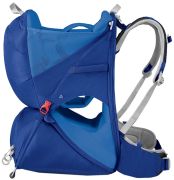
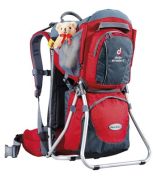
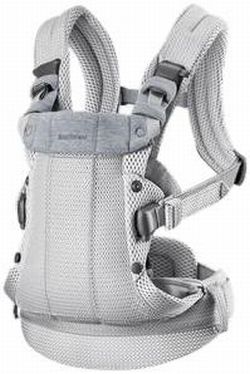
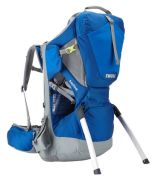
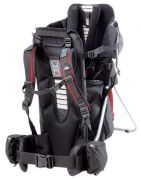
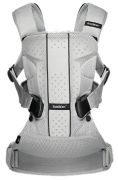
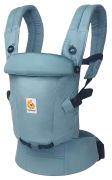
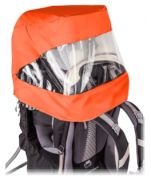
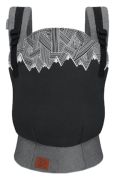
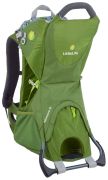
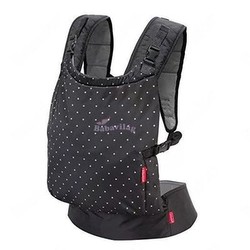
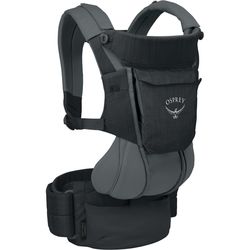
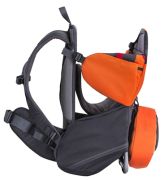
Baby carriers differ mainly in their duration of use. Some models can only hold children up to a certain age, while others are adjustable and can be used for several years. Generally, baby carriers can be used for children aged 0 to 36 months. They are usually designed for different activities. So, if you want to carry your child on your body during sports activities, you should look for a model specifically designed for that purpose. There are also differences regarding the fastening. Some models can be buckled in front of the belly, some on the back, and others can be carried sideways. Additionally, there are front carriers where the baby faces either the chest or the back of the carrier. Nowadays, baby carriers for twins are also available, where both children can be buckled in front of the belly at the same time, as long as they have not exceeded a certain size and weight.
What should I consider when buying?
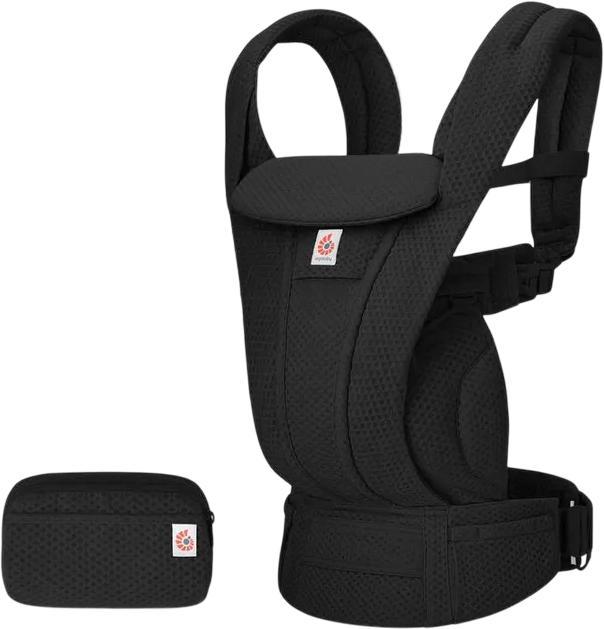
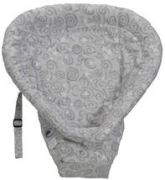
The purchase of a baby carrier should not be taken lightly. One should first consider what activities it will be used for, and the weight and size of the baby are also important criteria when buying. In the first months of life, infants automatically adopt a squat-splay position, where the knees are drawn up to the level of the buttocks. This position should be supported by the baby carrier. The carrier should also optimally support the back and head of the child, so that the head does not tilt during sleep, for example. The material should not be too rigid, and the straps should be wide and padded to avoid cutting into the skin. To ensure the carrier can be used for a longer time, some models can be adjusted to grow with the child. However, not only the adjustment options for the optimal sitting position of the baby are important, but also those for the carrier. With regular use, the carrier should therefore be gentle on the back and sufficiently padded. If the carrier is worn for an extended period, it should have a hip belt to relieve the back. A TÜV/GS certification also ensures the safety of the construction.