











Combi Pushchair: Consumer tips

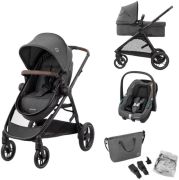
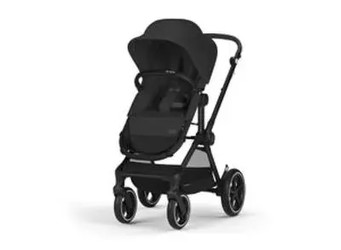
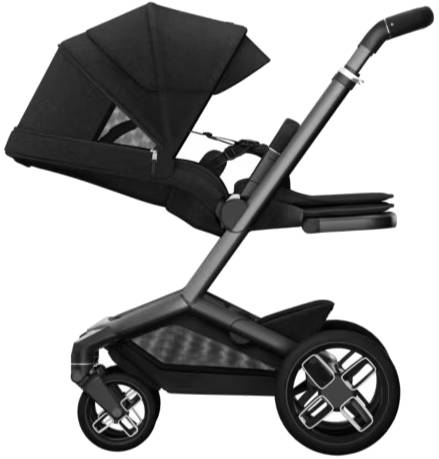
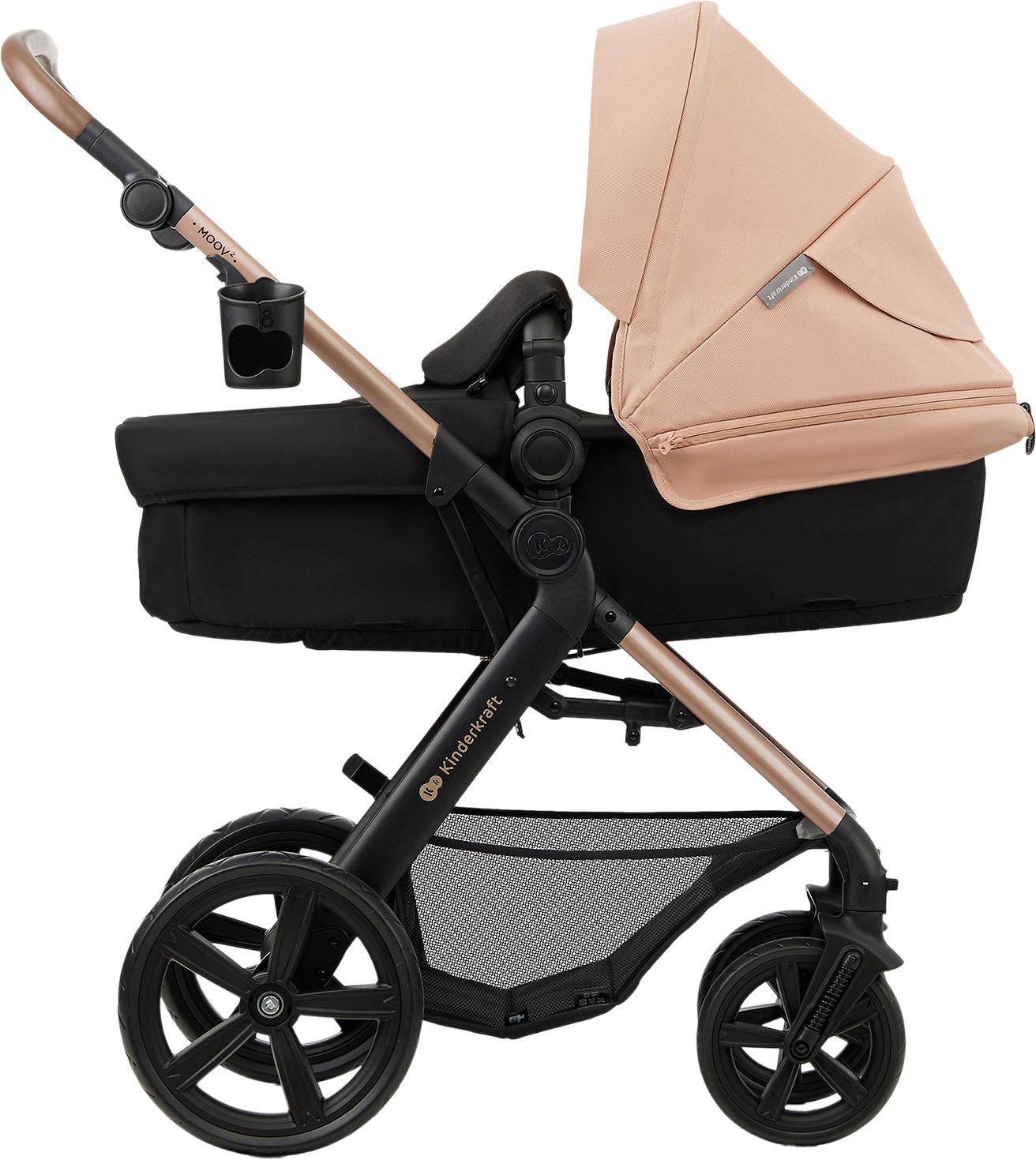
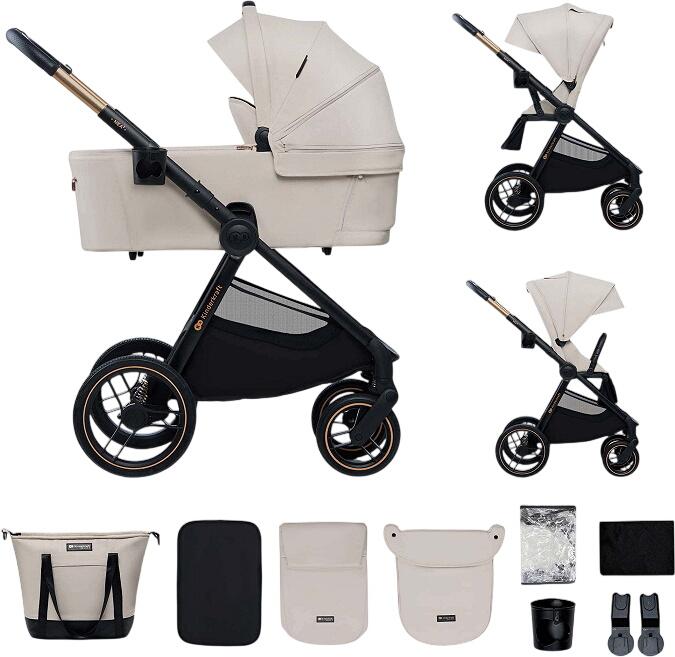
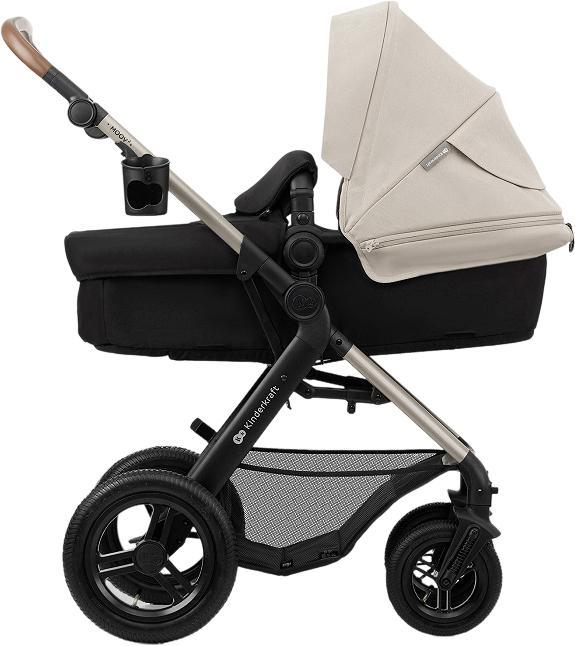
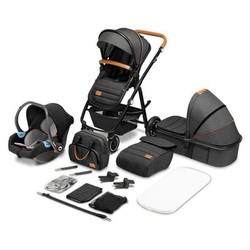
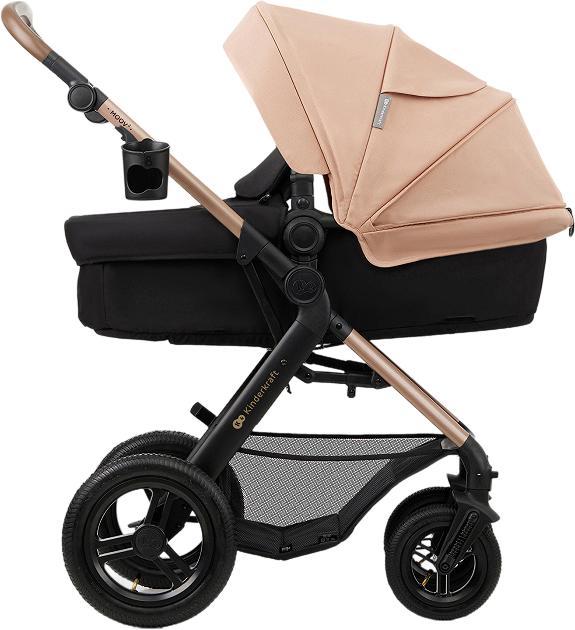
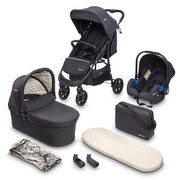
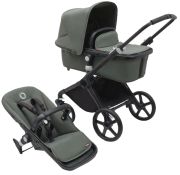
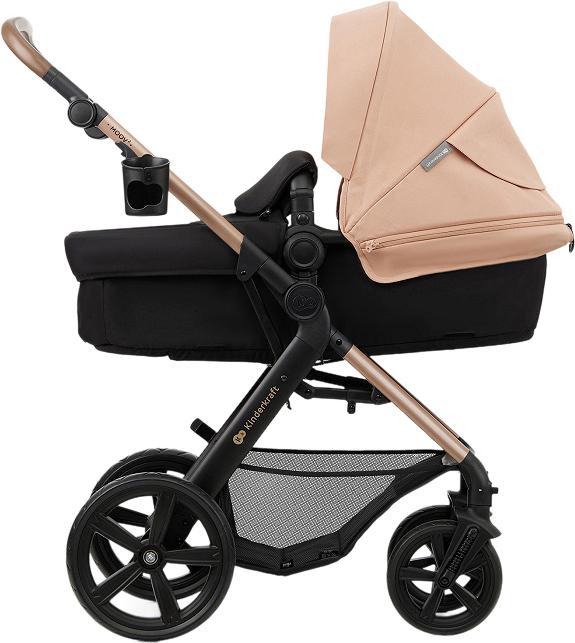
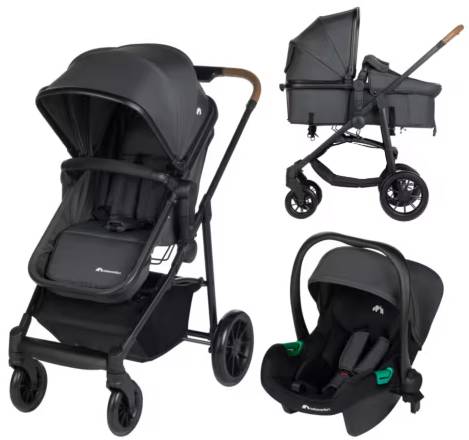
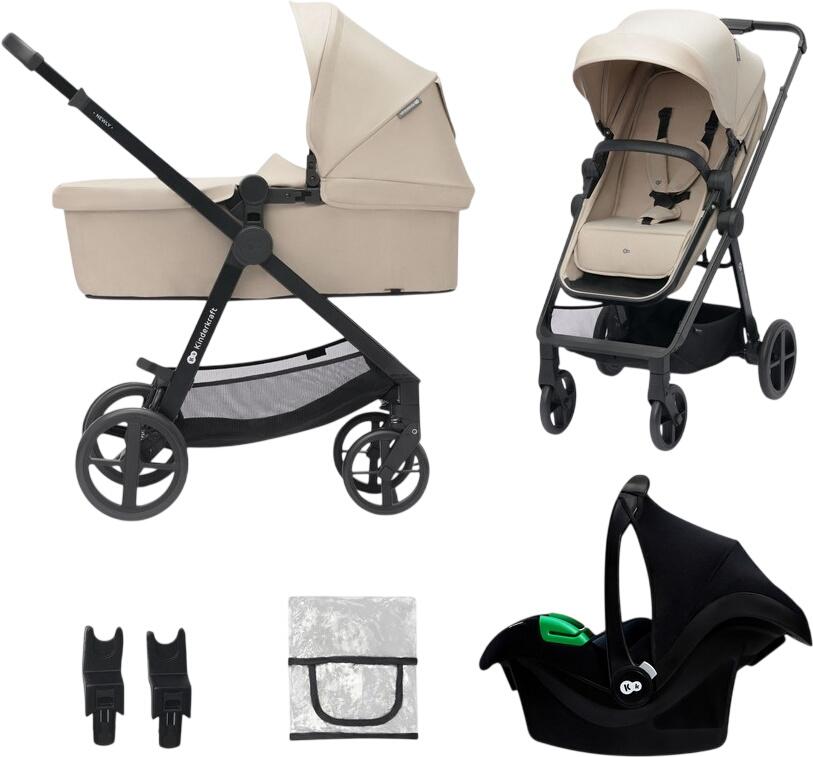
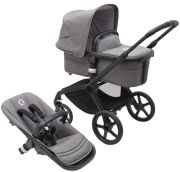
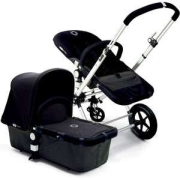
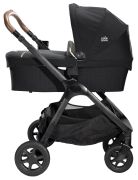
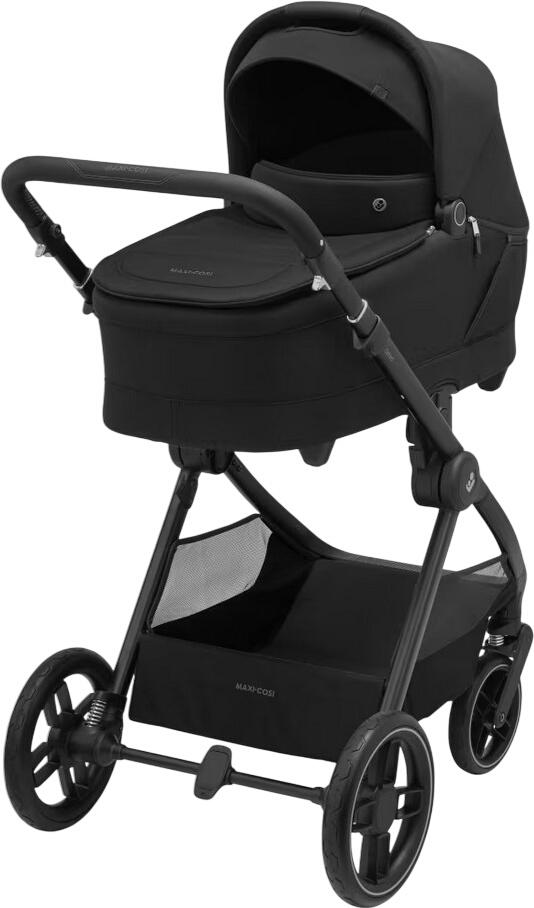
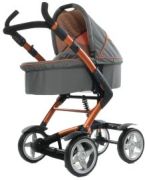
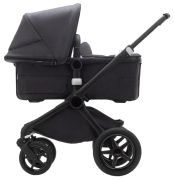
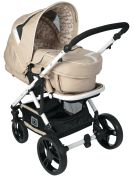
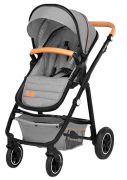
A typical travel system includes, or is compatible with, a carrycot for newborns, a seat unit for older babies and toddlers, and an infant car seat that can attach to the chassis using dedicated adaptors. The car seat does not convert into the pushchair; instead, each component clicks onto the same frame.
Carrycot, seat unit and infant car seat
For newborns, a lie-flat carrycot provides a supportive, flat sleeping space for walks. Check the manufacturer’s age, weight and usage guidance, particularly if you plan to use the carrycot for longer outings. A carrycot should not automatically be treated as an overnight sleep space unless it is specifically approved for that purpose.
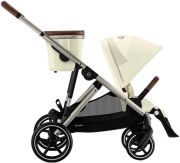
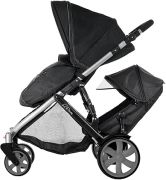
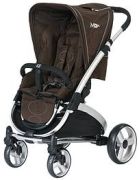
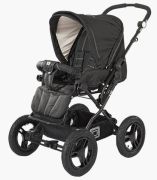
Once your child can sit with appropriate support, the pushchair seat unit becomes the main attachment. Many can be used parent-facing at first and world-facing later, although the available configurations depend on the model. A multi-position recline, adjustable leg rest and well-padded harness can improve comfort.
An infant car seat is useful for car journeys and can often attach to the travel-system chassis for short transfers. This can be convenient when a baby is asleep, but car seats are designed primarily for travel, not extended sleeping. Follow the car-seat manufacturer’s instructions on safe use and take regular breaks on longer journeys.
Most travel systems include or offer:
- Chassis: the folding frame, wheels, brakes and handle.
- Carrycot: a lie-flat attachment for newborn use.
- Seat unit: the upright or reclining pushchair seat for older babies and toddlers.
- Infant car seat adaptors: used to attach a compatible infant car seat to the chassis.
- Rain cover: particularly useful for changeable weather.
- Changing bag, footmuff or apron: included with some bundles, or sold separately.
- Sun canopy: often built in; an extendable UPF-rated canopy can provide extra shade.
Choose a travel system to suit your lifestyle
Before comparing colours and accessories, think about where you will use the pushchair most. A compact city model may be ideal for pavements, public transport and smaller car boots, while an all-terrain design with larger wheels and stronger suspension can be more comfortable on uneven paths, parks and rural routes.
Measure your available storage space and car boot before buying. A pushchair that is comfortable outdoors may still be frustrating if it is difficult to fold, too heavy to lift or does not fit through your front door.
Consider:
- Folded size and weight: important for car boots, stairs and flat living.
- One-hand fold: helpful when carrying your child or bags.
- Wheel type and suspension: larger puncture-proof or air-filled tyres can handle rougher ground; smaller wheels suit smooth pavements.
- Handle height: an adjustable handle is useful for parents and carers of different heights.
- Seat direction: parent-facing and world-facing options can add flexibility.
- Shopping basket: check its capacity and whether it remains accessible when the seat is reclined.
- Brake: should engage securely and be easy to operate without damaging footwear.
- Harness: a five-point harness is standard for secure everyday use.
- Washable fabrics: removable, easy-clean covers are practical for daily life.
- Compatibility: confirm that your chosen infant car seat and adaptors are approved for the exact chassis.
Safety and comfort checks
Choose a pushchair that meets the relevant product-safety requirements and is supplied with clear instructions. Check the manufacturer’s maximum weight limits for the seat, basket and carrycot. Suitability is determined by these limits and your child’s size and development, not simply by a broad age range.
Before each use, ensure that the chassis is fully opened and locked, the attachment is securely clicked into place and the brake works correctly. Avoid hanging heavy bags from the handle, as this can make the pushchair tip backwards. Use the harness whenever your child is seated, even for short journeys.
For newborns, use only the carrycot, car seat or seat configuration approved by the manufacturer for your child’s age and weight. Do not add unapproved mattresses, inserts or accessories, as these can affect stability and safety.
Useful accessories for weather and everyday outings
A rain cover is essential for many families, but ventilate the pushchair and remove the cover once the rain stops to prevent overheating. A parasol or sunshade can provide limited shade, but never cover the pushchair with a blanket or muslin, as this can restrict airflow and raise the temperature inside.
Useful accessories may include:
- Rain cover and storm cover
- Footmuff or cosy toes for colder weather
- UPF-rated sun canopy or parasol
- Changing bag and organiser
- Cup holder for adults
- Pushchair mitts or hand warmer
- Insect net for summer use
- Compatible car-seat adaptors
- Travel bag for storage or flights
Travel system buying checklist
- Check whether the bundle includes a chassis, carrycot, seat unit, car-seat adaptors and rain cover.
- Ensure the carrycot or seat unit is suitable for your child’s current age and development.
- Confirm infant car-seat compatibility before buying; adaptors are often model-specific.
- Measure your car boot, hallway and storage space.
- Choose larger wheels and suspension for rough ground, or a compact model for town use.
- Check the folded weight and whether you can lift it comfortably.
- Look for a secure brake, five-point harness and stable chassis.
- Check current manufacturer weight limits rather than relying on age alone.
- Avoid hanging heavy bags from the handlebar.
- Buy a rain cover, but ensure good ventilation and never cover the pushchair with a blanket.