















Newly Added Products





Women's fashion: Consumer tips
The best wardrobe is not built around trends alone, but around fit, comfort, versatility and personal style. Whether you prefer timeless tailoring, elevated basics, relaxed weekend dressing or more expressive statement pieces, the most useful approach is to choose clothing that suits your real routine and feels good to wear.
In 2026, many shoppers are also thinking more carefully about capsule wardrobes, seasonless styling and better-quality essentials that can be worn in multiple ways. That does not mean fashion has become boring. It simply means many women want clothes that are not only stylish, but also practical, rewearable and easy to combine.
What styles are there in women’s fashion?
Women’s fashion covers a wide range of styles, and most wardrobes mix more than one. Rather than dressing in a single strict category, many women combine classic staples with trend-led pieces and comfortable everyday basics.
Classic style is built around timeless shapes, clean lines and versatile pieces that do not date quickly. Blazers, trench coats, tailored trousers, simple blouses and structured bags are typical examples. This style is especially useful for the office, smart-casual dressing and occasions where a polished look matters.
Boho style is softer, more relaxed and more expressive. It often includes flowing dresses, embroidered tops, lace details, wide-leg trousers and layered textures. It suits shoppers who like a more individual, creative look with a vintage or artisanal feel.
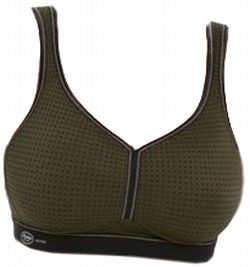
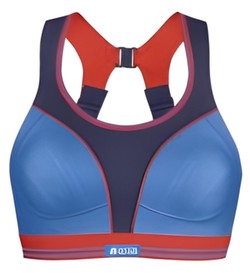
Activewear and hybrid everyday dressing remain a major part of modern wardrobes. What was once mainly described as athleisure is now better understood as a mix of activewear, loungewear and relaxed daily style. Leggings, matching sets, sweatshirts, oversized hoodies and clean, minimal trainers all fall into this space. The appeal is simple: comfort, flexibility and a look that works for errands, travel and casual days.
Minimalist style focuses on simplicity, quality and easy coordination. Neutral colour palettes, clean silhouettes, understated knitwear and well-cut coats or dresses are central here. Minimalist wardrobes often overlap with capsule wardrobe thinking, where fewer pieces are chosen more carefully and worn more often.
Romantic style leans into softer fabrics and decorative details such as lace, chiffon, ruffles and delicate prints. This look can feel feminine and expressive without being overly formal, and it works particularly well for dresses, blouses and occasionwear.
Trend-led styles such as streetwear, grunge-inspired looks, oversized tailoring and quiet-luxury dressing also continue to influence women’s fashion. These categories shift over time, but the underlying goal is usually the same: combining current ideas with personal taste in a way that still feels wearable.
Why fashion matters
Fashion is often about much more than appearance. Clothing can help express mood, personality, confidence and lifestyle. It can also affect how comfortable and prepared someone feels throughout the day.
For many women, fashion matters because it helps with:
- self-expression
- confidence
- comfort
- social identity
- dressing appropriately for work, events or everyday life
- enjoying creativity through personal style
The most useful mindset is not to chase every trend, but to find a balance between what suits you, what fits well and what works in everyday life.
What materials are commonly used?
Fabric choice has a huge effect on comfort, care and how well a garment wears over time. Cotton remains one of the most practical and popular materials because it is soft, breathable and easy to wear. It is commonly used for T-shirts, shirts, dresses and underwear. Linen is especially useful in warmer weather, thanks to its lightweight, breathable feel, and is often found in summer dresses, relaxed trousers and shirts.
Wool is a key cold-weather fabric and is commonly used for jumpers, cardigans, scarves and coats. Silk offers a smoother, more elevated finish and is often chosen for blouses, dresses and scarves. Synthetic materials and blended fabrics are also common, especially in sportswear, occasionwear and easy-care everyday pieces, where stretch, crease resistance or durability matter.
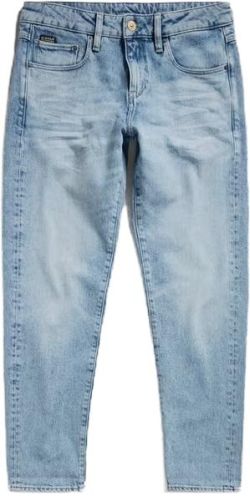
Denim remains a wardrobe staple for jeans, jackets, skirts and shirts, while leather and faux leather continue to be popular for jackets, footwear, bags and belts. In practice, most wardrobes work best when they combine natural fibres, practical blends and a few more elevated textures.
What is functional clothing?
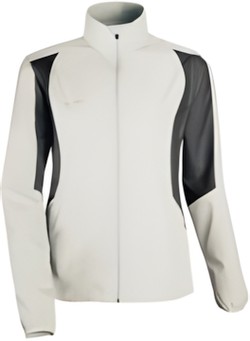
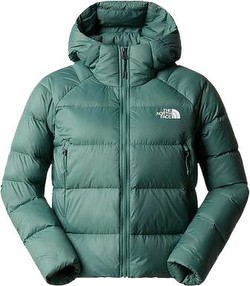
Functional clothing is designed with performance, comfort or weather protection in mind. In women’s fashion, this often overlaps with activewear, outdoor clothing and modern layering pieces. Breathable fabrics, moisture management, stretch, warmth and weather resistance all matter here.
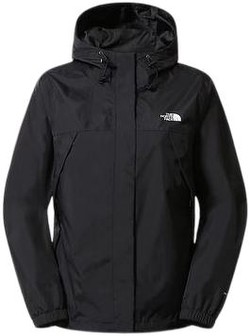
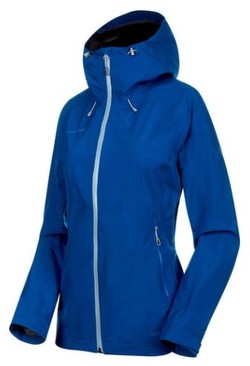
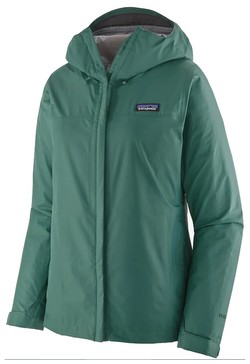
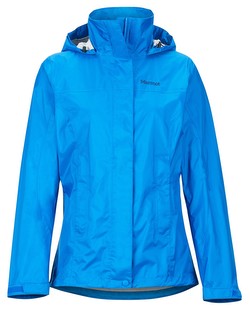
Increasingly, functional pieces are not kept separate from the rest of the wardrobe. A lightweight waterproof jacket, a technical gilet or comfortable stretch layers can now sit naturally alongside denim, knitwear or smarter casual pieces. That blend of practicality and style is one of the clearest features of current everyday dressing.
How to choose women’s fashion well
When shopping, it helps to look beyond colour or trend appeal and think about how a piece will actually work in your wardrobe. Good questions to ask include:
- Does it fit properly across the shoulders, waist and length?
- Can it be worn with items you already own?
- Is the fabric suitable for the season?
- Will you wear it more than once or twice?
- Does it suit your lifestyle rather than just an ideal version of it?
This is especially useful if you are trying to build a more versatile wardrobe or buy fewer but better pieces. A garment does not have to be expensive to be a good buy, but it should earn its place by being wearable, comfortable and easy to style.
Easy styling tips
A few practical principles make everyday dressing much easier. A well-fitting pair of jeans remains one of the most versatile basics in any wardrobe. A simple black dress still works for many occasions and can be styled up or down with jewellery, shoes and outerwear. If you wear bold prints or statement pieces, the rest of the outfit usually looks more balanced if kept relatively simple.
For warmer weather, lightweight cotton and linen blends are often the most comfortable choice. In colder months, layering knitwear, coats and textured fabrics adds both warmth and visual depth. Longer shirts, blazers or relaxed outer layers can also help create a balanced silhouette if that is the effect you prefer. Elevated basics in neutral shades are especially useful because they can be reworn and combined in many different ways.