









Sunglasses: Consumer tips

With so many frame shapes, lens colours and technical features on the market, it is easy to focus on looks first. That is understandable, but eye protection should come before fashion. A stylish pair is only worth buying if it also gives reliable UV protection and suits the way you plan to use it.
What good sunglasses should do
A quality pair of sunglasses should:
- protect against UVA and UVB rays
- reduce brightness and glare in strong daylight
- help you see more comfortably in changing outdoor conditions
- fit securely without pinching or sliding
- suit your typical use, such as driving, walking, sport or holidays
Tint alone is not enough. Very dark lenses without proper UV protection can actually be a poor choice, because they make your pupils open wider while still allowing harmful ultraviolet light through. That is why the first thing to check is not the lens colour, but the protection standard.
Look for proper UV protection
When shopping, look for sunglasses labelled UV400, which means they block ultraviolet light up to 400 nanometres. For most shoppers, this is the clearest and most useful protection marker to check.
It is also sensible to buy from a reputable retailer, optician or recognised brand rather than an informal marketplace seller with vague product information. Product labelling should be clear, and the sunglasses should be sold as compliant protective eyewear rather than as a novelty accessory. A close-fitting frame can also help by limiting stray light entering from the sides, especially in strong summer sun.
Understanding lens tint categories
Many sunglasses are sold with a lens category that indicates how dark the tint is. This is useful for comfort in different light levels, but it is separate from UV protection. In simple terms:
- Category 0: very light tint, mainly cosmetic or for dull conditions
- Category 1: light tint for weak sunshine
- Category 2: medium tint for everyday bright conditions
- Category 3: dark tint for strong sunlight; the most common choice for general summer use
- Category 4: very dark tint for extremely bright environments; not suitable for driving
For most people Category 2 or Category 3 sunglasses are the most practical choice. Category 3 is especially popular for summer holidays, beach days and bright afternoon sun. If you want one pair for general use, this is usually the safest starting point.
Lens materials: what is best?
The old terminology around sunglass lenses can be confusing, and much of it is no longer very shopper-friendly. In practice, most buyers today will be choosing between glass lenses and plastic lenses, with polycarbonate being one of the most common plastic options.
Plastic and polycarbonate lenses
These are the most common choice for modern sunglasses because they are:
- lighter to wear
- more practical for everyday use
- better suited to sport and active lifestyles
- generally less likely to shatter than glass
Polycarbonate lenses are especially useful if you want sunglasses for cycling, running, travel or children.
Glass lenses
Glass lenses can offer excellent clarity and strong scratch resistance, but they are usually:
- heavier
- less practical for sport
- more fragile in everyday knocks or drops
For most people, lightweight plastic or polycarbonate lenses are the more convenient option. Glass still appeals to some buyers, but it is more of a preference choice than the obvious default.
What lens colours actually do
Lens colour is not just about style. Different tints can change how the world looks and feels.
- Grey: the most neutral option; good for everyday use
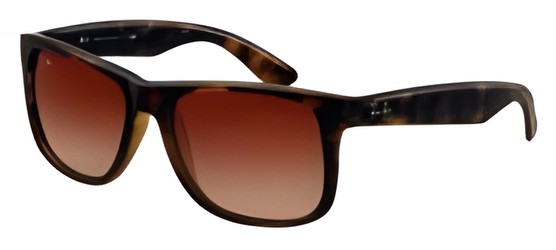
- Brown or bronze: can improve contrast and depth perception
- Green: balances contrast and colour well
- Yellow or amber: boosts contrast, but is not usually the best all-round choice for bright summer sun
- Blue or fashion tints: often chosen more for style, though performance depends on the lens quality
If you want one pair for general use, grey, brown or green lenses are usually the easiest options to live with.
Polarised sunglasses: worth it?
Polarised lenses are one of the most useful upgrades for many buyers. They are designed to cut glare reflected from flat surfaces such as:
- wet roads
- water
- car bonnets
- windows
- pavements in strong sun
This can make a noticeable difference for driving, seaside use, walking near water and other bright outdoor situations. Many people find polarised sunglasses more comfortable because they reduce the harsh reflected glare that causes eye strain.
They are especially worth considering if you:
- drive regularly in bright conditions
- spend time near water
- want less squinting and better visual comfort
- are sensitive to glare
For most shoppers, polarised lenses are a genuinely useful feature rather than a gimmick.
Photochromic lenses: convenient, but not identical across all brands
Photochromic lenses automatically darken in sunlight and become clearer again when conditions are dimmer. They can be very convenient if you move frequently between indoor and outdoor spaces and do not want to keep switching glasses.
However, it is best not to rely on a fixed claim about exactly how quickly they darken or lighten. Performance varies by:
- lens technology
- temperature
- UV intensity
- weather conditions
In cooler bright weather, some photochromic lenses may appear darker than they do on very hot days. It is also worth remembering that many car windscreens reduce UV exposure, so not all photochromic lenses darken effectively while driving. If you want them mainly for use in the car, check the product details carefully.
Sunglasses for driving
Driving places particular demands on sunglasses. You want lenses that reduce glare without making the road too dark. For that reason:
- Category 2 or 3 is usually the most suitable range for daytime driving
- Polarised lenses can be very helpful for glare from wet roads and low sun
- Category 4 lenses should not be used for driving
- frames should not block your peripheral vision too heavily
If you often drive in bright conditions, this is one area where paying more for good optics and all-day comfort can be worthwhile.
Fit matters as much as the lenses
Even excellent lenses can disappoint if the frame is uncomfortable. A good pair of sunglasses should sit securely and feel balanced on the face. Look for:
- a frame width that suits your face
- nose pads or bridge support that do not pinch
- arms that stay in place without squeezing
- enough coverage around the eyes
- a shape that works with your day-to-day wear
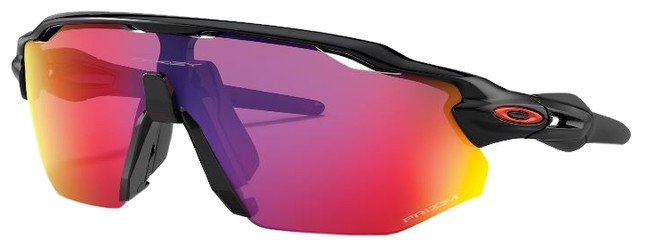
Wraparound or close-fitting designs can be particularly useful for sport, coastal walks and bright open spaces because they reduce stray light from the sides.
Fashion still matters
Sunglasses are a practical purchase, but they are also a style item. If you feel good wearing them, you are more likely to use them consistently. The right choice often comes down to trying a few shapes and seeing what feels balanced and natural on your face.
Popular options include:
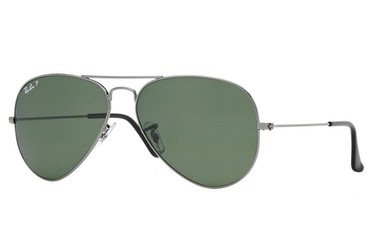
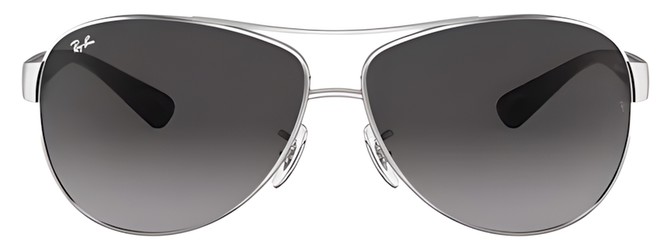
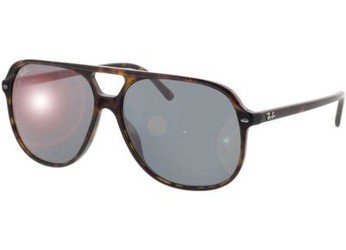
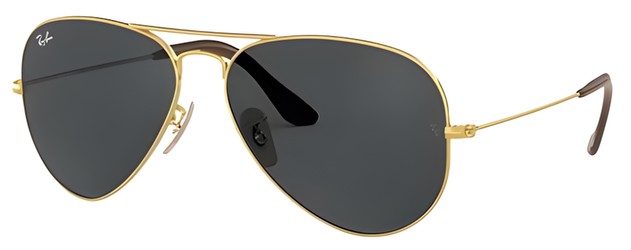
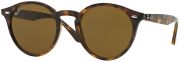
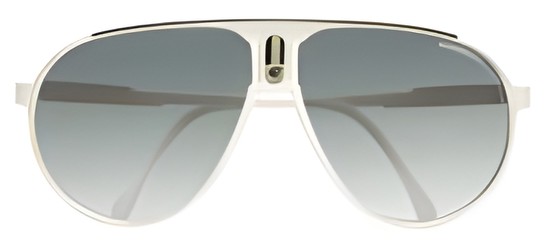
- aviator styles
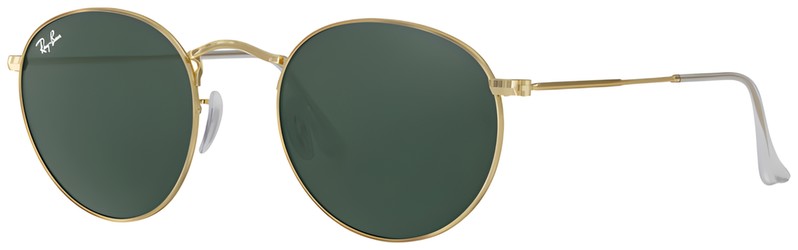
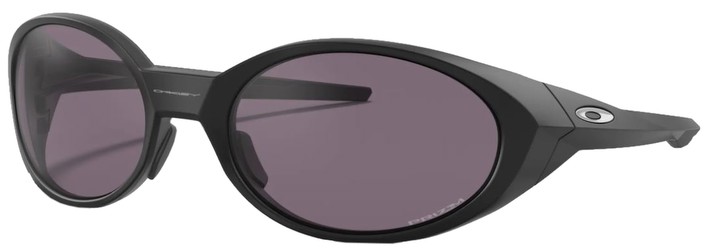
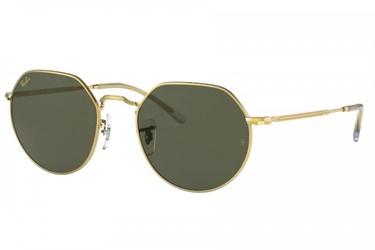
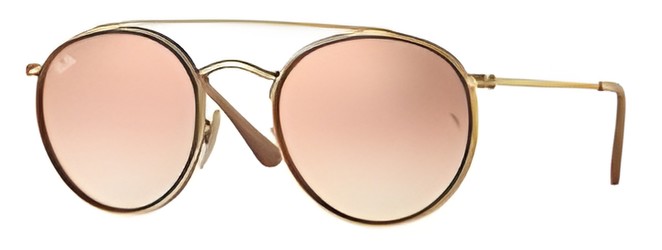
- round frames
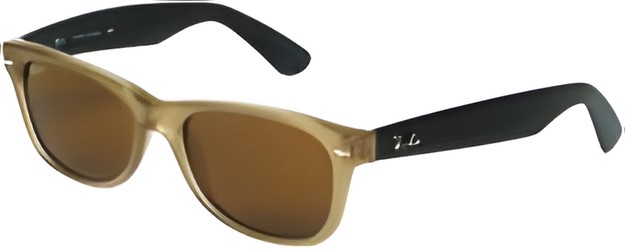
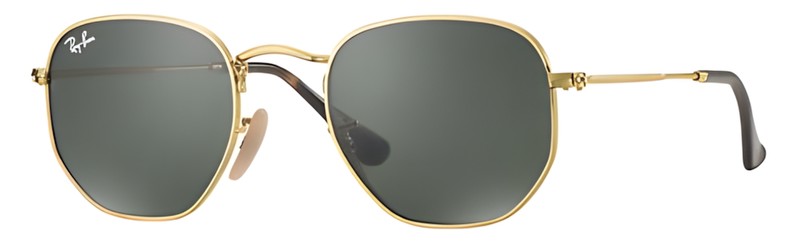
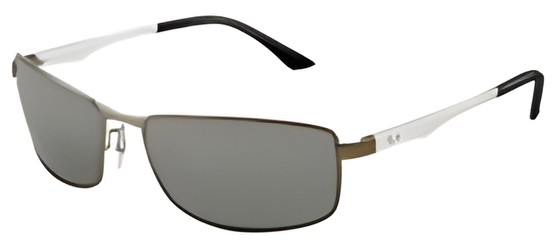
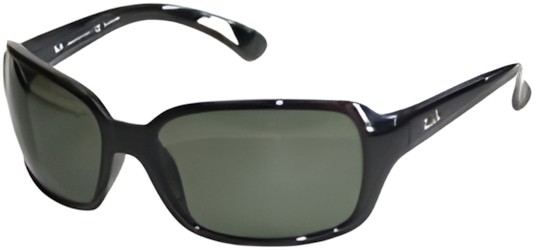
- square frames
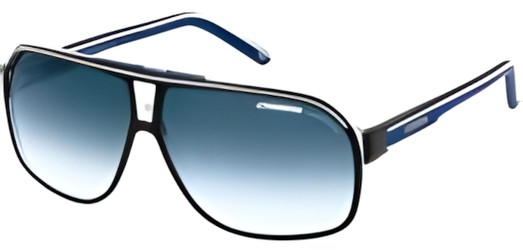
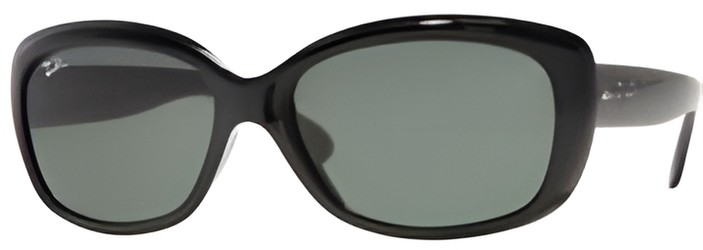
- oversized fashion frames
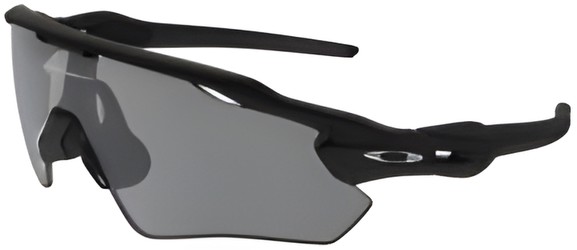
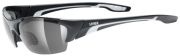
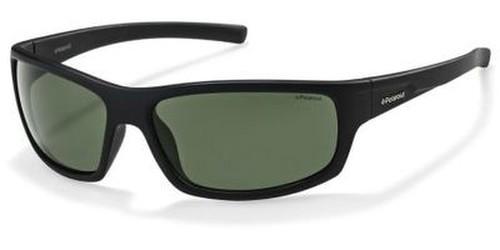
- sportier wraparound designs
There is no single rule for which shape suits which person best. Face shape can be a useful guide, but comfort, confidence and how the sunglasses sit in real wear are just as important.
What to check before you buy
A good pair of sunglasses should tick the following boxes:
- UV400 protection
- a practical lens category for your use
- comfortable, secure fit
- clear product information
- good optical quality without obvious distortion
- a frame style you will actually wear regularly
If you are buying online, check return options in case the fit is not right.
Quick buying tips
- For most shoppers, Category 3 with UV400 protection is the best all-round starting point
- Choose polarised lenses if glare is a regular problem
- Pick polycarbonate or other lightweight plastic lenses for sport, travel or everyday convenience
- Do not assume darker always means safer; UV protection matters more than tint alone
- For driving, avoid overly dark lenses and prioritise comfort and clear vision