





Newly Added Products
Fashion accessories: Consumer tips

Accessories are less about following rigid rules and more about creating a look that feels polished, practical and personal. Rather than matching everything perfectly, most shoppers are looking for pieces that work across several outfits and occasions, from office wear and weddings to weekends in the city.
The accessories that make the biggest difference
A few categories do most of the work in a wardrobe:
- shoes
- bags
- jewellery
- scarves
- belts
- hair accessories
- small men’s accessories such as tie clips or cufflinks
The best choices are the ones that fit naturally into your routine and can be worn more than once for different settings.
Shoes
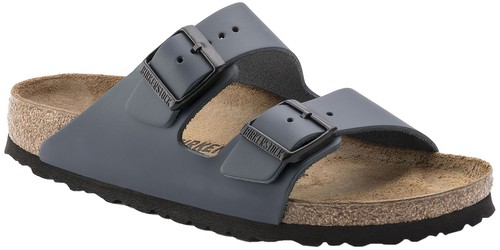
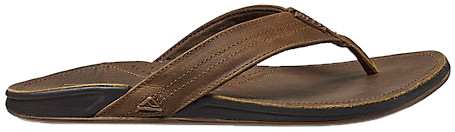
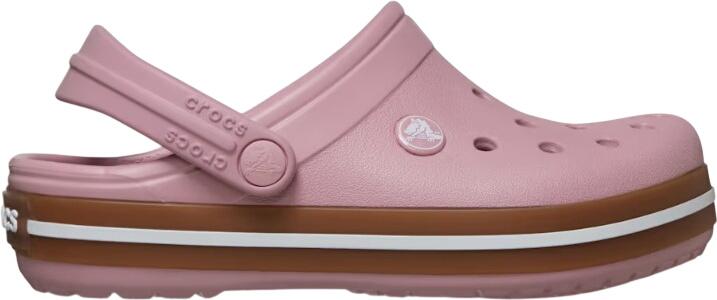
Shoes are often the first accessory people notice, and they can shift the whole tone of an outfit. A smart pair can sharpen up simple tailoring, while a relaxed trainer can make a more formal look feel modern and easy to wear.
For different occasions, you might choose:
- trainers for day-to-day casual wear
- court shoes for workwear or smarter events
- ballet flats for comfort with a polished finish
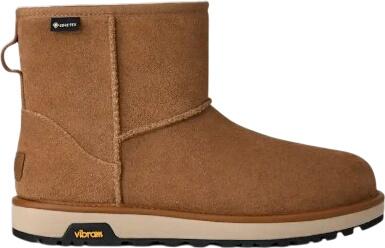
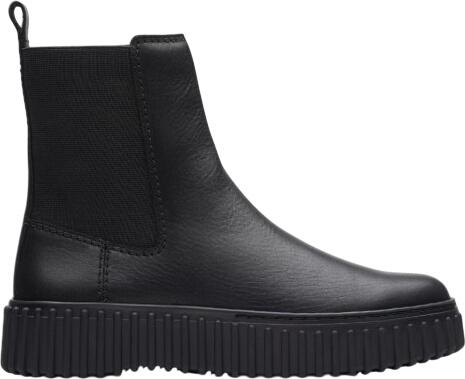
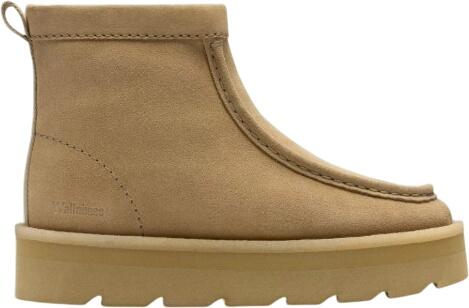
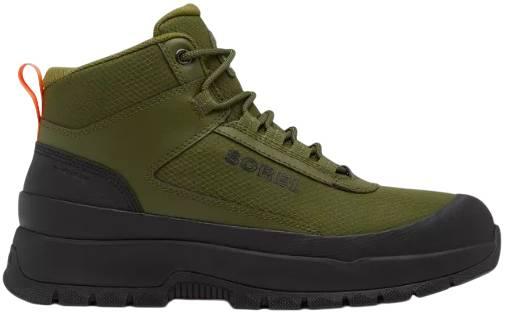
- ankle boots for versatile autumn and winter styling
- heeled sandals or occasion heels for weddings, parties or evenings out
Comfort matters just as much as appearance. If you are buying for an all-day event such as a wedding, the races or a long city day, a slightly lower heel or a more supportive flat is often the better choice than something that looks good for an hour and becomes difficult to wear afterwards.
Bags
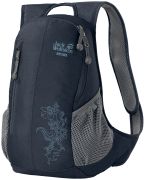
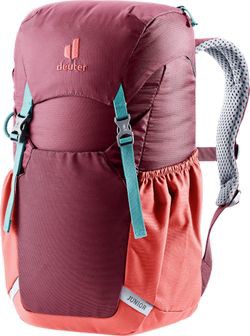
A bag should work for both your outfit and your day. Most people will want more than one style, because the right bag for commuting is not usually the right one for an evening event.
Useful options include:
- a crossbody bag for hands-free everyday wear
- a tote bag for work or shopping
- a structured handbag for smarter outfits
- a clutch or small occasion bag for weddings, dinners or parties
The old rule that formal occasions always require the smallest possible bag is too limiting. A smaller bag is often the neatest choice for dressier events, but the best size is the one that looks in proportion and still holds what you need.
If versatility matters, neutral shades such as black, tan, navy, cream or metallics are often the easiest to style.
Jewellery
Jewellery can finish an outfit quickly, but the most modern styling usually feels intentional rather than overdone. You do not need expensive pieces to create a polished look; what matters more is that the jewellery works together and suits the occasion.
A few easy principles still help:
- if one piece is bold, let it be the focus
- for busy prints or embellished clothing, simpler jewellery often works better
- for plain outfits, jewellery can add interest and texture
- layering can work well, but balance still matters
For daytime, many people prefer subtler jewellery that can be worn across work and weekends. For evenings, weddings or parties, more shine and statement pieces can feel right.
Scarves
Scarves remain one of the easiest accessories to use well. They are practical in cooler weather, but they also add colour, texture and shape to an outfit. A scarf can soften tailoring, brighten a neutral coat or make a simple knit feel more styled.
They work especially well for:
- layering between seasons
- adding interest to plain outerwear
- introducing colour without changing the whole outfit
- making casual looks feel more finished
A lightweight scarf is useful in spring and autumn, while chunkier styles are better suited to colder months.
Belts and finishing touches
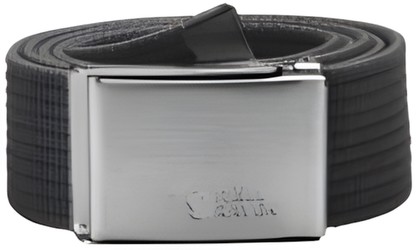
Belts can still help pull an outfit together, but modern styling is much less strict than the old idea that your belt must always match your shoes exactly. Coordinating tones can look polished, but contrast can work just as well if the overall outfit feels balanced.
Other finishing touches worth considering include:
- brooches for coats, knits or occasionwear
- hair accessories such as clips, bands or bows
- tie clips for formal menswear
- cufflinks for shirts worn to weddings, formal work events or black-tie occasions
Cufflinks do not need to be framed as a “returning trend” to be relevant. They remain a useful and elegant men’s accessory when the dress code calls for them.
Dress for the occasion
Accessories usually work best when they reflect where you are actually going. That means thinking about:
- office wear
- weddings
- the races
- weekend city outfits
- dinners out
- holidays
- day-to-day casual dressing
The most useful accessories are the ones that can move across more than one of these settings. For example, a structured crossbody bag, a clean pair of ankle boots or simple gold-tone jewellery can all work in several contexts.
Build around versatility
If you are buying accessories with long-term wear in mind, prioritise:
- comfortable shoes
- bags in practical shapes
- jewellery that layers easily
- colours that work with your wardrobe
- pieces that feel current without being too trend-dependent
That usually gives better value than buying only statement items that are hard to style more than once.
Quick style tips
- Choose accessories that support how you actually dress, not just one ideal outfit
- Do not worry about matching everything exactly; coordinated is often enough
- Let one item stand out rather than making every accessory compete
- For events, think about comfort as well as appearance
- Neutral accessories are often the easiest starting point, then add colour where it feels right