






Newly Added Products
Air Conditioner: Consumer tips
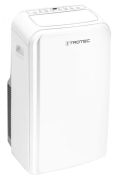
Portable air conditioners
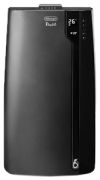
Portable air conditioners are a popular option for renters, flats and homes where permanent installation is not practical. They work by removing heat from the room and venting it outside through an exhaust hose, usually via a window kit. They are straightforward to move from room to room, but they are not plug-and-forget in the strictest sense: sealing around the window kit properly matters, otherwise warm air can leak back in and reduce efficiency.
When choosing one, room size is important, but a simple watts-per-square-metre rule should only be treated as a rough starting point. Real performance depends on ceiling height, insulation, sun exposure, glazing, number of people in the room and heat from electronics. In retail listings, cooling capacity is often compared using BTU as well as watts, so it is worth checking the manufacturer’s recommended room coverage rather than relying on one fixed formula.
The most useful features are:
- clear room-size guidance from the manufacturer
- dehumidifying mode
- sleep mode for bedrooms
- timer and scheduling functions
- smart controls or app support
- noise level information
- window sealing kit included in the box
In everyday use, it is better to aim for a comfortable indoor temperature rather than an aggressive drop. A very large gap between outdoor and indoor temperature can feel uncomfortable, but there is no need to treat a six-degree difference as a strict rule in every home. Comfort, humidity and energy use matter just as much.
Fans
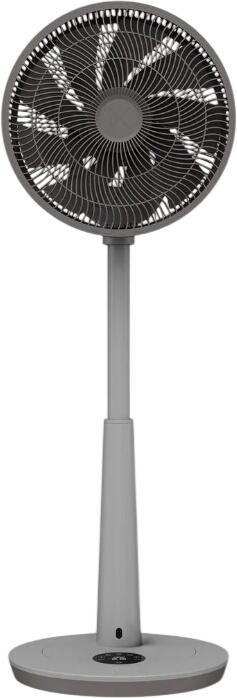
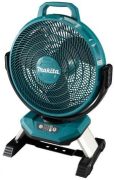
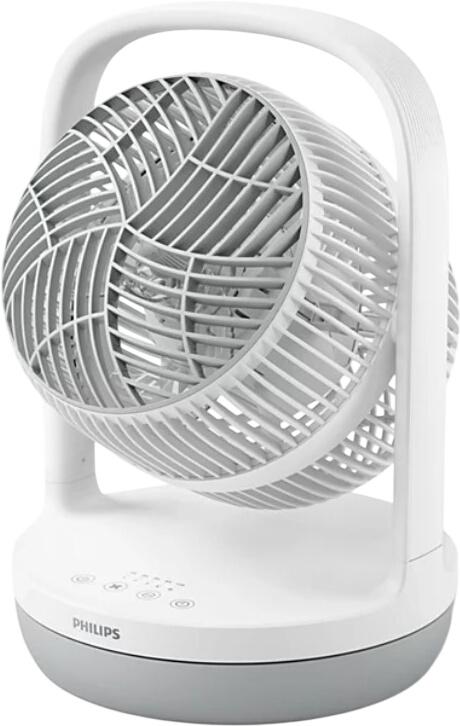
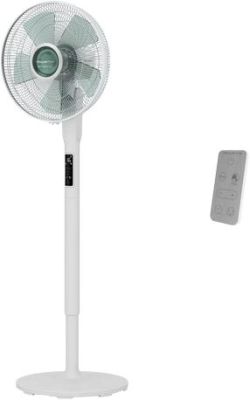
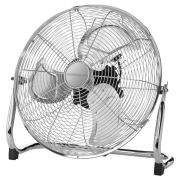
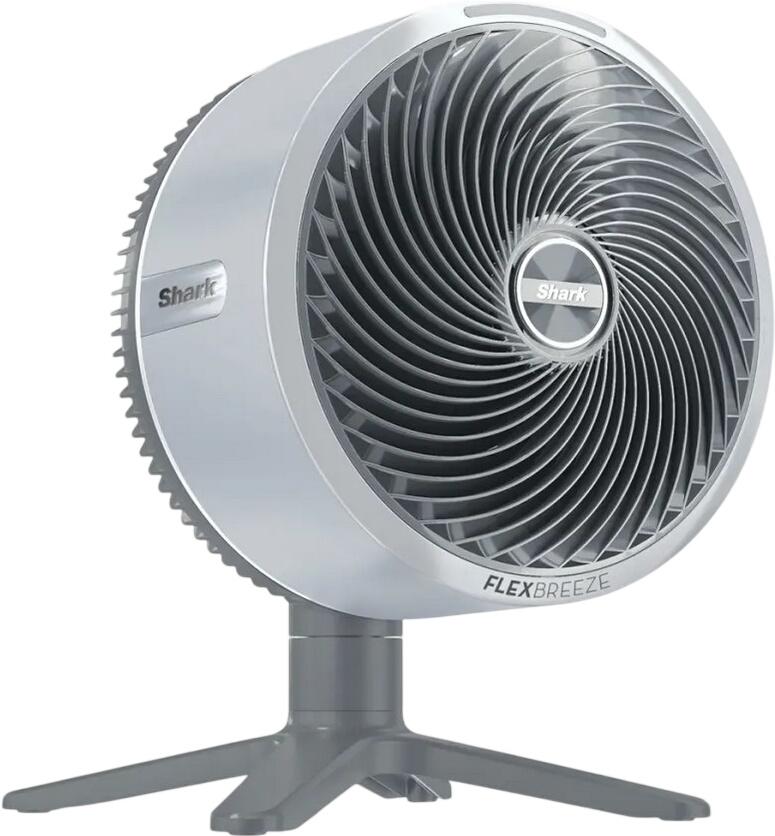
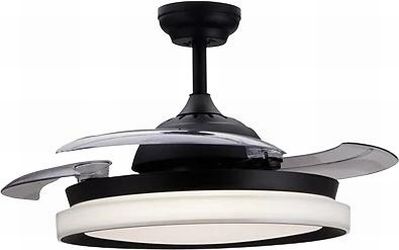
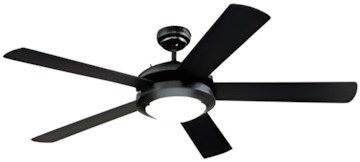
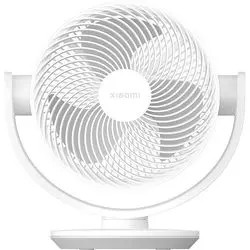
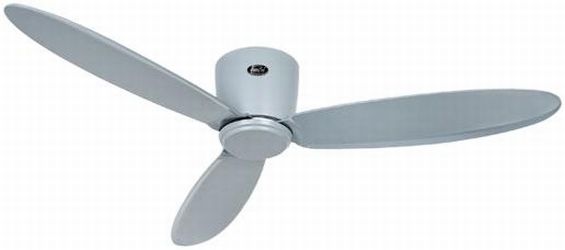
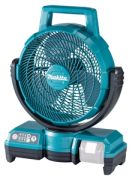
Fans remain one of the cheapest and easiest ways to feel cooler in summer. They do not lower the room temperature, but they can make you feel more comfortable by moving air across the skin. For many households, that is enough for short hot spells, especially in bedrooms, home offices and smaller lounges.
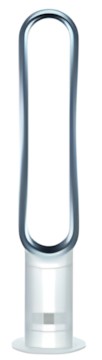
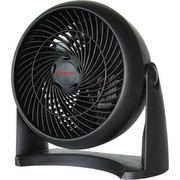
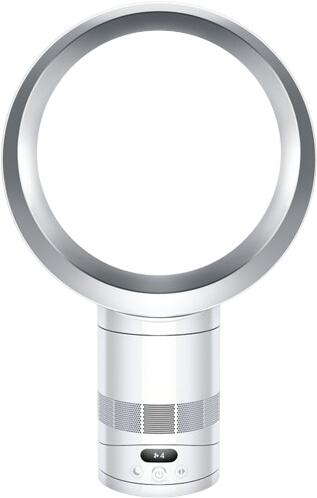
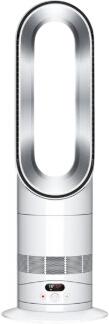
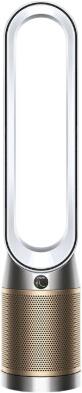
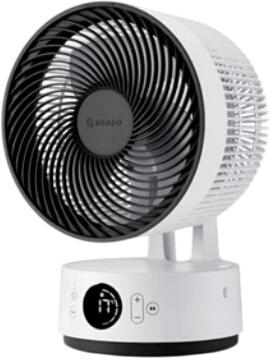
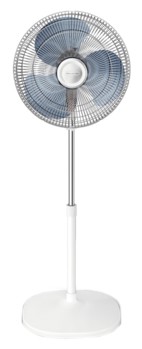
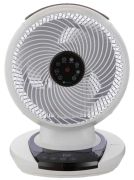
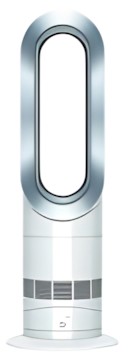
You can choose from desk fans, pedestal fans, tower fans, ceiling fans and handheld fans. Tower and pedestal models are especially common for whole-room use, while desk fans work well for focused airflow at a workstation.
What to look for:
- multiple speed settings
- oscillation for wider airflow
- quiet operation, especially below roughly bedroom-friendly noise levels
- remote control or app control
- timer mode
- easy-to-clean grille or blades
Fans can stir up dust and may feel draughty at higher settings, so they are not ideal for everyone. If allergies are a concern, a fan alone may be less useful than combining cooling with an air purifier.
Heaters
Portable heaters are useful when you want extra warmth in one room without heating the whole property. This is especially relevant during spring, autumn and cold snaps when central heating feels excessive for short periods of use. They are also common in box rooms, conservatories, garden offices and spare bedrooms.
The main types include fan heaters, oil-filled radiators, panel heaters, convector heaters and infrared heaters. Fan heaters warm up quickly and are handy for short bursts, while oil-filled radiators and some panel heaters are often preferred for quieter, steadier background warmth.
Pay close attention to:
- running costs in relation to electricity prices
- wattage and heat settings
- thermostat control
- timer and scheduling features
- tip-over and overheat protection
- noise level, particularly with fan heaters
- portability and cable length
If you mainly want occasional top-up warmth in a small room, a compact fan heater may do the job. If you want quieter heat for longer periods, a different portable heater type may be more comfortable.
Humidifiers and dehumidifiers
Humidity control is often overlooked, yet it can make a major difference to comfort and indoor air quality. In heated rooms, air can feel dry enough to irritate the throat, skin and sinuses. In other homes, especially older properties, basements, ground-floor flats and poorly ventilated bedrooms, excess moisture is a much more common problem.
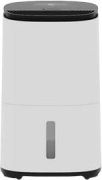
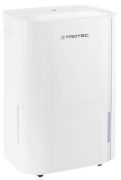
Humidifiers add moisture to the air and are mainly useful in dry indoor environments. Dehumidifiers remove excess moisture and are often the more relevant purchase, where condensation, damp corners, mould risk and slow laundry drying are common concerns.
A dehumidifier can be especially useful for:
- drying clothes indoors more quickly
- reducing window condensation
- helping control damp smells
- lowering moisture in basements or utility rooms
- supporting mould prevention alongside proper ventilation and heating
When buying a dehumidifier, check the extraction rate, tank size, laundry mode, noise level and whether it can run continuously with drainage.
Air purifiers
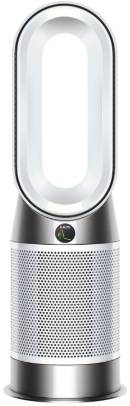
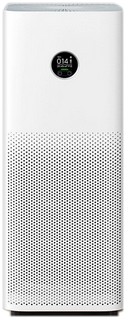
Air purifiers are best bought for everyday air-quality reasons. The main reasons people buy them are allergies, pollen, dust, pet dander, smoke particles, traffic pollution and general indoor air quality. They can be particularly useful in bedrooms, nurseries, home offices and homes with pets.
A good air purifier should match the room size and clearly state its cleaning performance. HEPA filtration remains a key feature in many models, but not all purifiers are equally effective, and filter maintenance matters just as much as the headline specification. A neglected filter can reduce performance and increase running costs over time.
Useful buying features include:
- HEPA filtration or equivalent fine-particle capture
- activated carbon filter for odours
- air quality sensors
- auto mode
- night mode
- clear room coverage figures
- easy filter replacement and transparent replacement costs
If allergies or asthma are a concern, an air purifier can help reduce airborne particles, but it works best alongside regular cleaning, ventilation and sensible moisture control.
What should buyers focus on?
The best product is usually the one that solves the real problem in your room rather than the one with the longest feature list. A fan is often enough for short heatwaves. A portable air conditioner is more effective where you need actual cooling. A dehumidifier may do more for comfort than either if the room feels clammy rather than hot. And a portable heater can be a cost-effective way to warm one occupied room instead of the entire home.
Before buying, think about:
- room size and ceiling height
- noise levels, especially for bedrooms
- energy use and likely running costs
- smart controls, timers and scheduling
- how easy the unit is to move, empty or maintain
- window type and venting practicality for portable air conditioners
- common issues such as damp, condensation and mixed insulation quality