





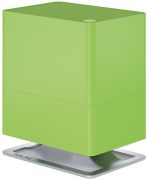
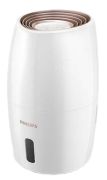
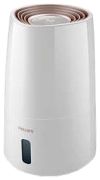
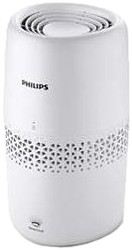
Buy Humidification: Consumer Tips

The relative humidity in a room should be between 40 and 55 percent. Too dry air can lead to drying out of the mucous membranes and airways. It can also allow pathogens to enter the body more easily.
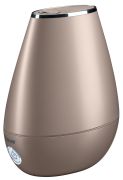
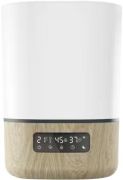
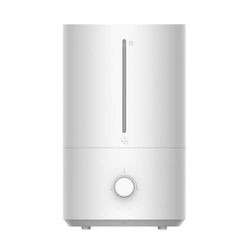
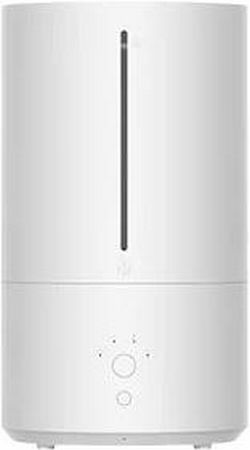
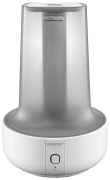
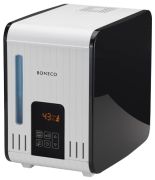
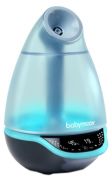
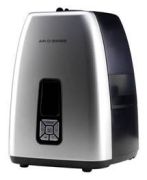
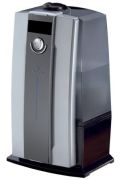
In general, one distinguishes between evaporators, humidifiers, and nebulisers. Evaporators bring the filled water to a boil and release the steam for humidification into the room air. They have a relatively high energy consumption but also a relatively high humidification performance. Through evaporation, any germs present in the water may be killed, but over time the devices can become calcified, which means that not all germs can be killed at reduced heating power. With unfavourable positioning and a cool environment, condensation may occur; if the device is not connected to a hygrometer, it can also lead to over-humidification. This, in turn, can lead to mould growth on the room walls, the spores of which are hazardous to health. Additionally, the steam released poses a scalding risk.
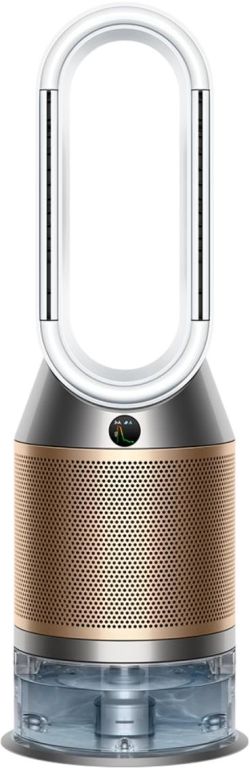
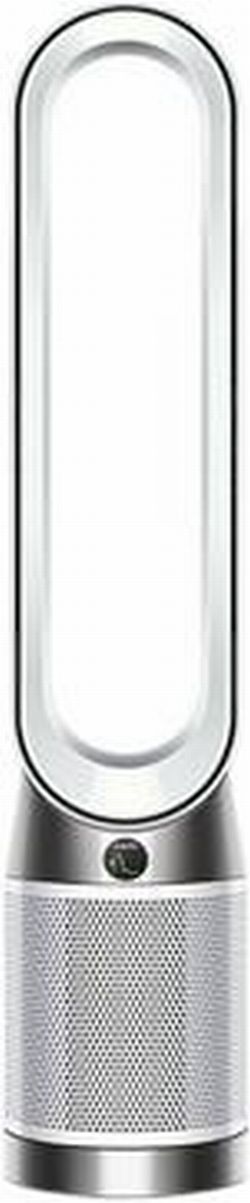
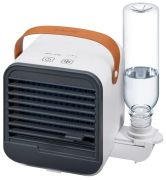
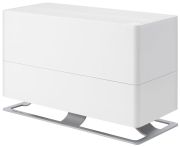
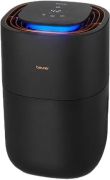
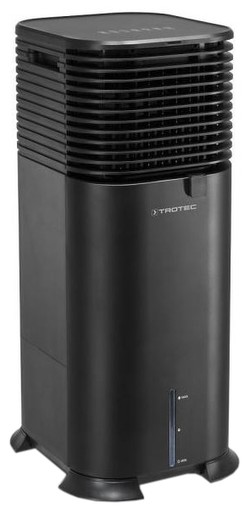
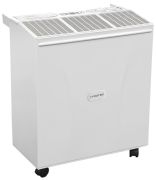
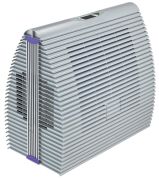
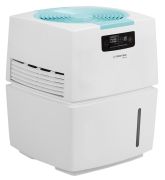
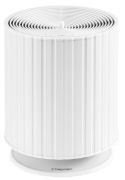
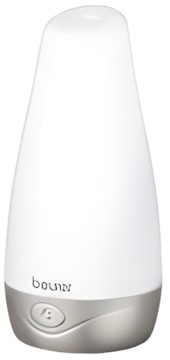
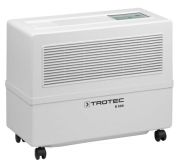
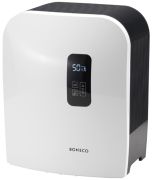
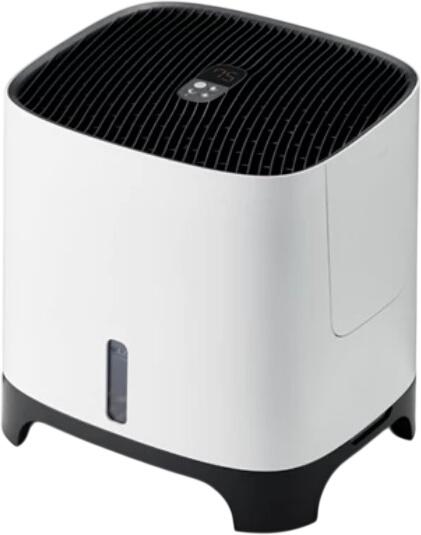
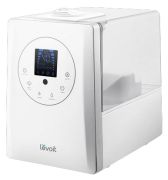
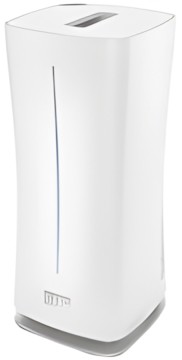
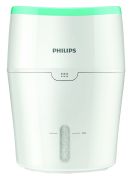
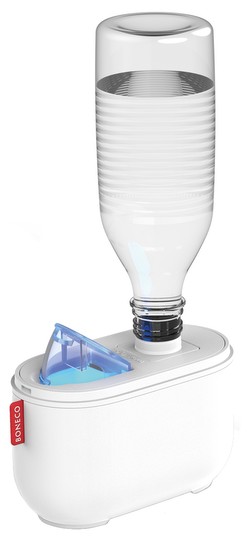
Humidifiers distribute the water over as large a surface area as possible (e.g. through filter mats or rotating slats) and blow an air stream over it. Here, the energy consumption is relatively low, but only a medium to low humidification performance is achieved. A drop in air temperature (adiabatic cooling) and a natural regulation of room humidity are possible, which means that over-humidification cannot occur. To counteract the risk of germ proliferation and thus the distribution of germs in the room air, humidifiers require regular cleaning or the addition of disinfectants to the water (not necessary with UVC disinfection, i.e. disinfection via ultraviolet rays). In nebulisers, water is atomised into tiny droplets using ultrasound or pressure pumps and fine nozzles. A fan blows this mist into the room. The energy consumption is relatively low, and the humidification performance is medium to low. A drop in air temperature, as well as condensation and lime deposits in the vicinity of the device, are possible. The fine atomisation carries the risk of germ proliferation, as germs can be inhaled with the water mist. Therefore, regular and thorough cleaning is absolutely necessary. Devices with a preheating function are supposed to kill pathogens through heat.