









Buy air purifiers: Consumer tips

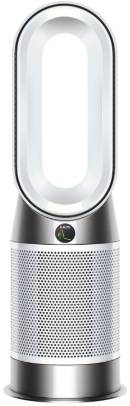
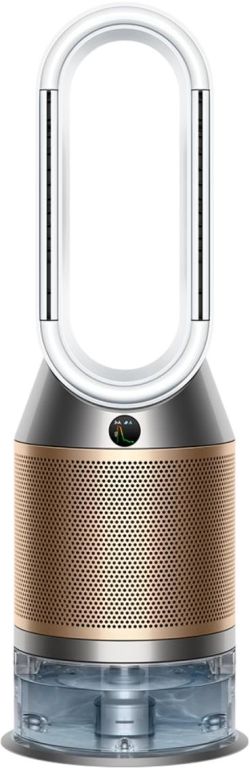
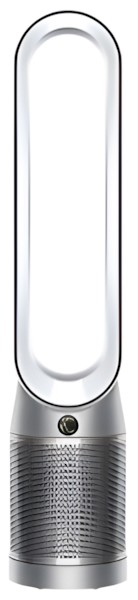
The consequences are increasing respiratory problems and rising allergy rates. Air purifiers filter out dangerous particles, tobacco smoke, unpleasant odours, mould spores, pet hair, pollen, bacteria, viruses, and also allergenic house dust particles from the indoor air and can counteract health complaints. The devices draw in the indoor air and clean it with specially developed filter systems. Air purifiers with HEPA and activated carbon filters work particularly effectively. The HEPA filter (High Efficiency Particulate Air Filter) consists of a very tightly woven fabric made of synthetic fibres and cellulose. It is very durable and effective. Its efficiency is about 3 to 4 times higher than that of conventional filters, as airborne particles up to a size of 0.1 microns are filtered out (the diameter of a human hair is about 1,000 times larger). Activated carbon filters consist of a mostly black mat that serves to eliminate unpleasant odours, gases, and smoke particles. Over time, the consistency of the filter becomes rougher and harder, so it should be replaced in a timely manner for effective function. In electrostatic air filters, the drawn-in dirt is electrically charged in a system of several parallel arranged, voltage-loaded metal plates, attracted, and held in the filter. The efficiency is about 95 percent, and there are no additional costs for replacement filters, as the filter plates can be cleaned with a vacuum cleaner. In the photocatalytic filter, dust and odour particles are additionally eliminated with a type of catalyst, similar to electrostatic filtration. The efficiency for microorganisms is 99.99 percent, and the filters are long-lasting and coated with antibacterial properties.