





Portable Air Conditioners: Consumer tips

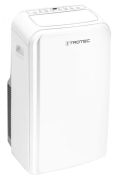
Unlike a fan, a portable air conditioner actively removes heat from the room. Most models also remove some moisture from the air as part of the cooling process. They are useful for occasional summer cooling, but they are less efficient and usually noisier than a professionally installed split air-conditioning system.
How portable AC units work
A portable air conditioner draws warm room air across a refrigerant system. Heat is then expelled outdoors through an exhaust hose, while cooler air is returned to the room. To work effectively, the hose must vent outside; placing it near an open window without sealing the gap allows warm outdoor air to return to the room.
A window-sealing kit is one of the most important accessories. It closes most of the gap around the hose and can significantly improve cooling performance. Kits are available for sash windows, sliding windows and some casement windows, although compatibility varies. Check the hose diameter and window type before buying.
Portable AC units need a stable, level floor and a nearby mains socket. Avoid using a lightweight extension lead unless the manufacturer specifically permits it. Keep the air intake and exhaust vents clear, and allow the recommended space around the appliance for airflow.
Cooling power and room size
Cooling output is commonly stated in BTU/h or kilowatts (kW). A higher cooling output can serve a larger room, but it will not overcome poor insulation, direct sun through large windows or an incorrectly installed exhaust hose.
As a rough guide, a portable air conditioner rated around 7,000 to 9,000 BTU/h may suit a small bedroom or office, while 10,000 to 12,000 BTU/h models are often chosen for medium-sized rooms. Larger spaces may need more powerful equipment, but the manufacturer’s recommended room size is the best guide because it takes account of the specific unit’s performance.
Consider room height, south-facing windows, number of occupants, cooking appliances and electronic equipment. A sunny loft room may need more cooling capacity than a shaded room of the same floor area.
Energy use and efficiency
Portable air conditioners can use a significant amount of electricity, particularly during heatwaves. Compare the model’s stated cooling capacity, input power and efficiency information rather than relying on obsolete A or A+ ratings.
For products carrying a current UK energy label, check the label and product fiche for relevant energy-consumption and efficiency information. Labelling requirements can vary by product type, and not every portable AC unit will be presented in the same way. Compare like-for-like models with similar cooling output and room-size recommendations.
To reduce running costs:
- Use a properly fitted window-sealing kit.
- Close windows and doors while the unit is cooling.
- Close curtains or blinds during the hottest part of the day.
- Set a realistic target temperature rather than running the unit at its lowest setting.
- Clean or replace filters as instructed.
- Use timer, sleep or eco modes where available.
- Switch the unit off when the room is unoccupied.
Modern portable units use refrigerants selected to meet current environmental and safety requirements. Do not make broad assumptions from “eco” marketing terms: compare energy use, repairability, manufacturer support and refrigerant information where provided.
Dehumidifying and water management
Portable air conditioners naturally remove moisture while cooling. Depending on humidity, some models collect condensate in an internal tank, while others evaporate and expel most of it through the exhaust hose. In very humid conditions, the tank may need emptying more frequently.
Some products include a dedicated dehumidifier mode. This can be helpful in a damp room, but it is not a substitute for fixing leaks, poor ventilation or structural damp. If you have persistent condensation or mould, seek advice on the underlying cause rather than relying solely on an appliance.
Do not choose an AC unit based on a headline daily moisture-extraction figure alone. Performance depends on room temperature, humidity and operating mode.
Noise levels and bedroom use
Portable air conditioners contain a compressor and fan, so they are rarely silent. The sound level can vary with fan speed and operating mode, and manufacturer figures may be measured under specific conditions. Compare the stated noise level in decibels (dB), but also read independent reviews where possible.
For bedrooms, look for a sleep mode, adjustable fan speed, display dimming and a timer. Even quieter portable models may be noticeable at night, especially in a small room. Positioning the unit on a stable floor and keeping the exhaust hose straight can help reduce vibration and airflow noise.
Useful features to look for
- Suitable cooling output for your room size
- Exhaust hose and compatible window-sealing kit
- Adjustable thermostat and multiple fan speeds
- Timer, sleep mode and automatic restart after a power cut
- Dehumidifier mode and clear condensate-drain instructions
- Washable or replaceable air filters
- Remote control or app control, if useful
- Castors and carry handles for moving between rooms
- Stated noise level and night-friendly controls
- UK plug, warranty and accessible replacement parts
Portable air conditioner buying checklist
- Measure the room and use the manufacturer’s recommended room-size guidance.
- Match cooling output in BTU/h or kW to the space, sunlight and heat sources.
- Confirm that the exhaust hose can vent outdoors through a suitable window or door.
- Buy a compatible window-sealing kit to prevent warm air returning indoors.
- Compare running costs and efficiency information for models with similar cooling power.
- Check the stated noise level, especially for bedrooms and home offices.
- Consider drainage requirements and whether the model self-evaporates condensate.
- Choose timer and sleep functions for more convenient overnight use.
- Confirm UK mains compatibility, warranty and filter/spare-parts availability.