



Cylinder Vacuum Cleaners: Consumer tips

How a cylinder vacuum cleaner works
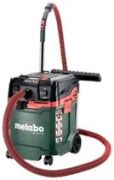
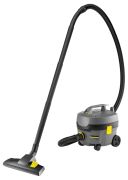
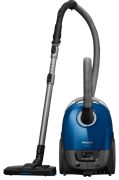
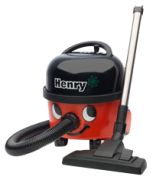
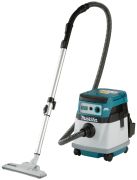
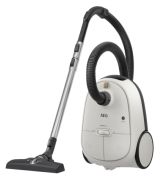
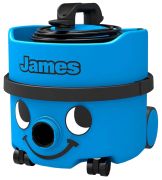
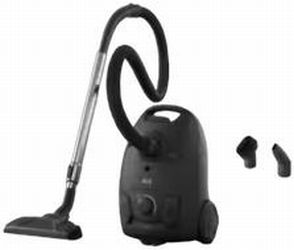
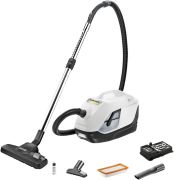
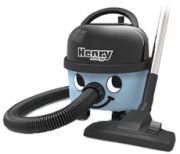
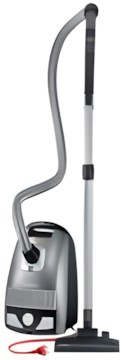
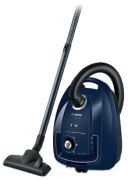
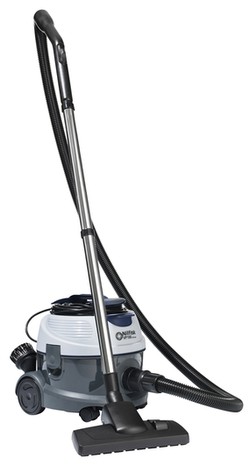
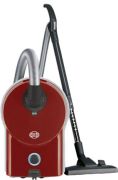
A cylinder vacuum cleaner uses a motor, airflow and filtration system to lift dirt from floors and soft furnishings into either a dust bag or a dust container. The main body usually sits on wheels or castors, while the hose and tube allow you to move the floorhead around more freely.
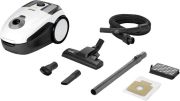
Most models now include features such as:
- Telescopic tubes for more comfortable reach
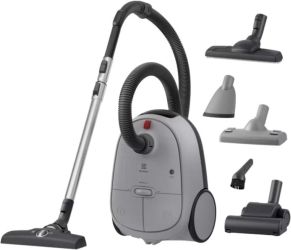
- Combination floorheads for switching between hard floors and carpets
- Crevice tools for edges and corners
- Dusting or upholstery tools for furniture and softer surfaces
- Specialist nozzles on some models for parquet, pet hair or delicate flooring
The best cylinder vacuum cleaner is not the one with the highest old-style wattage figure. What matters far more is how effectively the cleaner handles real surfaces, airflow efficiency, floorhead design, suction control and filtration quality.
What should you look for when buying?
Modern vacuum buying should focus on usability and cleaning performance rather than motor wattage. Higher wattage does not automatically mean better cleaning. A well-designed floorhead, good airflow, strong filtration and sensible suction control are much more useful buying criteria.
Important points to compare include:
- Performance on your main floor types
- Floorhead design
- Suction control
- Bagged or bagless design
- Filtration quality
- Cable length
- Weight and manoeuvrability
- Tool storage and included accessories
- Noise level
A long cable can still be very useful, especially in larger rooms or homes where you want to change plug sockets less often. For buyers, it is also worth checking UK plug compatibility and the exact model code when buying bags, filters or spare parts.
Brushes and floor nozzles matter more than raw power
The floorhead often makes a bigger difference than many buyers expect. A good standard floorhead should work well across hard floors and carpets, while specialist nozzles can improve results in more demanding situations.
Useful options include:
- Hard-floor nozzles for wood, laminate, vinyl or tile
- Combination heads for mixed homes with rugs and hard flooring
- Upholstery tools for sofas, chairs and car interiors
- Crevice tools for skirting boards and tighter spaces
- Radiator or dusting brushes for more detailed cleaning
- Turbo or pet tools for hair removal on soft surfaces
If your home has a mix of surfaces, the included tools can make one model much more practical than another.
Bagged or bagless: which is better?
This is still one of the biggest decisions when choosing a cylinder vacuum cleaner.
A bagged vacuum cleaner is often preferred by buyers who want tidier dust disposal and less direct contact with dirt when emptying. A bagless model avoids the cost of replacement bags and can be convenient if you vacuum frequently, but it does mean emptying and cleaning the dust container more regularly.
A quick comparison:
- Bagged: cleaner disposal, often more convenient for dust-sensitive households
- Bagless: no need to buy bags, but the bin needs regular emptying and cleaning
For allergy-sensitive homes, the best choice depends less on bagged versus bagless alone and more on the overall filtration system and how cleanly the vacuum can be emptied.
What pet owners should look for
If you live with cats or dogs, pet hair removal becomes a much bigger part of vacuum performance. In that case, a general-purpose vacuum may not feel effective enough unless it includes the right tools.
Useful pet-focused features include:
- Turbo brushes
- Anti-tangle brush heads
- Good upholstery tools
- Strong filtration, including HEPA-style filtration where relevant
- Easy hair removal from the brushroll or nozzle
If pet hair regularly builds up on sofas, stairs or carpets, the accessory package matters just as much as the vacuum itself.
What else should you consider in day-to-day use?
Practical ownership makes a real difference over time. A vacuum that cleans well but is awkward to store, heavy to pull around or frustrating to maintain can quickly become less appealing.
Useful day-to-day points include:
- Empty the dust container regularly on bagless models
- Replace or clean filters as recommended
- Check for blockages in the hose and floorhead
- Use the right nozzle for the right surface
- Choose a model with onboard tool storage if you want better organisation
It is also worth choosing a machine with good airflow management and filtration so that dust is collected effectively rather than simply disturbed around the room.