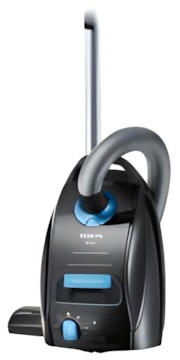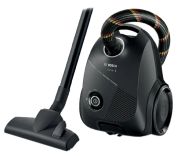






Miele vacuum cleaners: Consumer tips
Why choose a Miele vacuum cleaner?
Miele vacuums are often best suited to buyers who want:
- strong all-round floor cleaning
- a bagged system with better dust containment
- a premium feel in daily use
- good filtration
- reliable tools for stairs and upholstery
- a machine intended for years of ownership
They are particularly attractive in larger homes, family homes and households where vacuuming is a frequent chore rather than an occasional quick tidy-up.
Why Miele cylinder vacuums still make sense
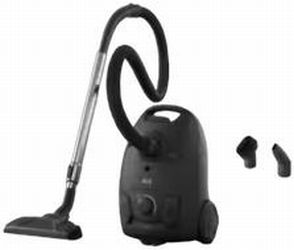
Cylinder vacuums remain a very practical format, especially in UK homes with stairs, mixed flooring and furniture that needs cleaning around rather than simply under. Miele cylinder models are especially useful for:
- larger floor areas
- carpet and hard-floor combinations
- stair cleaning
- skirting boards and corners
- reaching under furniture
- upholstery and above-floor cleaning
That hose-and-wand flexibility is one of the biggest reasons many buyers still prefer a cylinder vacuum over a cordless stick model for deep or whole-home cleaning.
Bagged vacuums are still worth considering
Bagged vacuum cleaners remain a strong option in 2026, particularly if you care about cleaner emptying and better dust control. They are often a good fit if you want:
- tidier disposal
- less direct contact with dust
- strong filtration support
- lower-fuss maintenance
- a more traditional “plug in and clean properly” experience
For allergy-prone households, this can be a major advantage. A well-sealed bagged system often feels cleaner to live with than an average bagless machine.
Filtration matters for pets and allergies
Many buyers look at Miele because of filtration, and that is a sensible priority. If dust, pollen or pet hair are a concern, pay close attention to:
- filter type
- sealed system design
- bag quality
- included floorhead
- upholstery and crevice tools
The exact setup matters more than the badge alone. Not every Miele model is supplied with the same filter or floor tool package, so if pet hair or allergy control is important, compare the full specification rather than assuming all models are equally equipped.
Features that make the biggest difference
Floorhead choice
One of the most important differences between models is the floorhead arrangement. Some homes will be perfectly well served by a general multi-floor head, while others may benefit from a specialist turbo brush or pet-focused setup.
Telescopic tube and hose reach
A good telescopic tube makes it easier to clean stairs, ceilings, under beds and other awkward areas. This is one reason Miele cylinder models still feel practical in real homes.
Operating radius
A longer cleaning radius means fewer plug changes. This can make a noticeable difference in hallways, larger reception rooms and open-plan layouts.
Automatic cable rewind
This remains one of the most useful day-to-day convenience features on a corded vacuum and is something many buyers still appreciate.
What about cordless alternatives?
Cordless vacuums are now mainstream, and for quick clean-ups they can be extremely convenient. However, they do not replace every type of cleaning equally well. A Miele mains-powered vacuum still makes sense if you prioritise:
- uninterrupted runtime
- deeper whole-home cleaning
- larger dust capacity
- stronger long-session usability
- less dependence on battery management
For many households, the real comparison is not “corded or cordless only”, but whether the main vacuum should still be a full-size machine. In many UK homes, especially larger ones, the answer is still yes.
How to judge cleaning performance
Older buying advice often focused too heavily on wattage. That is not the best way to compare vacuums now. Instead, focus on:
- pickup performance on your floor types
- carpet cleaning ability
- edge and corner cleaning
- filtration quality
- ease of pushing and steering
- noise level
- consumable costs such as bags and filters
For buyers, running costs matter too. A vacuum that is pleasant to use but requires expensive consumables more often than expected may not feel like good value in the long run.
Are Miele vacuums quiet?
Noise depends on the model, so it is best to check the exact rated figure if quiet cleaning matters to you. This can be especially important in:
- flats
- terraced homes
- open-plan living spaces
- households with children
- homes with nervous pets
A quieter model can make routine cleaning less disruptive, particularly in smaller UK homes where sound carries more easily.
What to check before buying
Before choosing a Miele vacuum, think about:
- whether your home is mostly carpet, hard floor or mixed
- whether you want a bagged system
- if pet hair is a major issue
- how often you clean stairs
- whether low noise matters
- the operating radius
- the filter type
- replacement bag and filter costs
- the length and terms of the UK warranty
It is also worth checking whether the machine comes with a UK plug and whether the retailer offers straightforward UK delivery, returns and after-sales support.
Is a Miele vacuum worth the price?
For many buyers, yes. Miele is rarely the cheapest option, but the appeal lies in the overall ownership experience: solid construction, strong filtration, dependable performance and the sense that the machine is designed to last.
That does not mean the most expensive model is automatically the right one. Often, the best-value Miele is the one that matches your floors, home size and cleaning habits without loading on tools you will rarely use.