







Fryers: Consumer Tips
Acquiring a fryer or air fryer opens up new culinary possibilities in the home kitchen and allows for the preparation of crispy dishes using different methods. While traditional fryers work with hot oil and deliver the authentic taste of traditionally fried foods, air fryers promise a healthier alternative with significantly reduced fat content. Both have their advantages and disadvantages, which vary depending on habits and health consciousness.
How do traditional fryers and air fryers work?
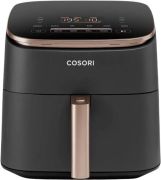
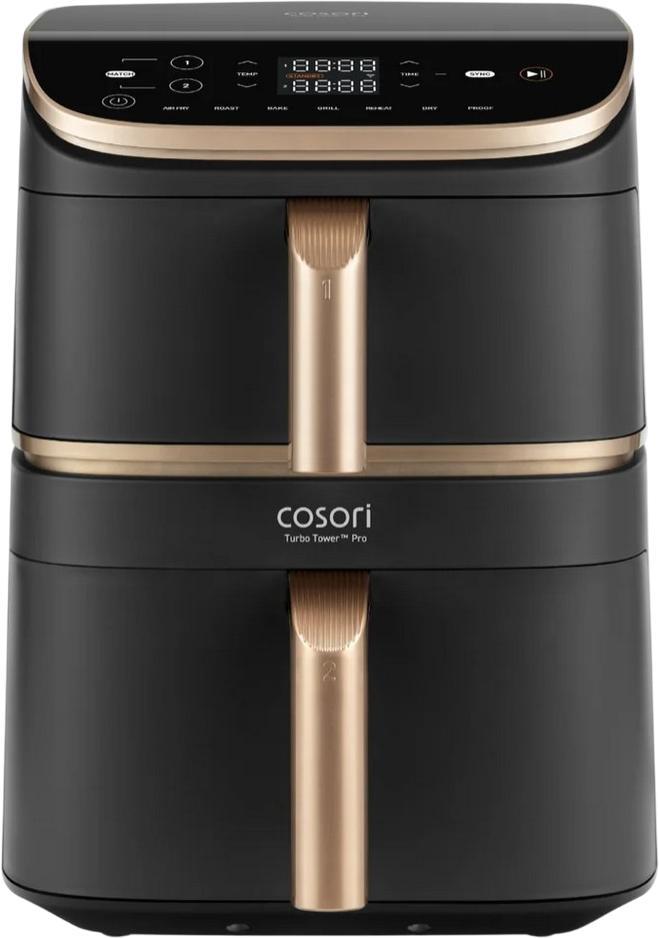
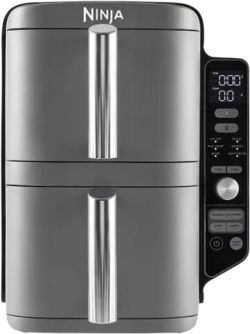
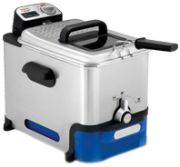
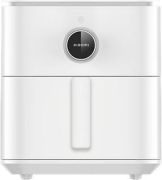
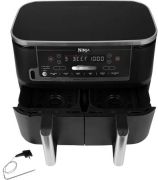
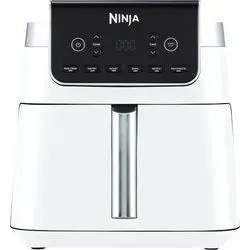
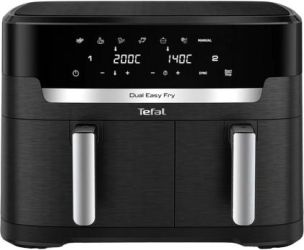
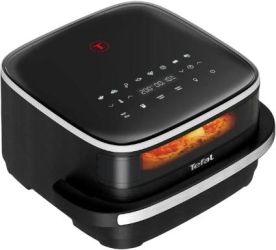
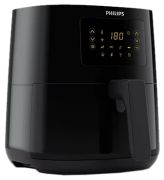
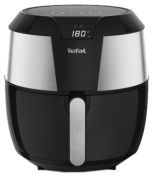
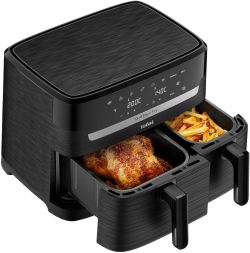
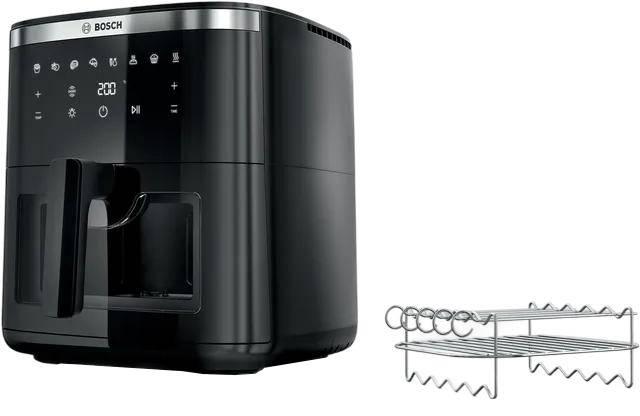
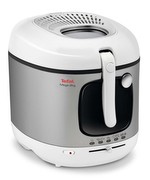
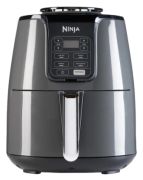
Traditional fryers operate on the proven principle of frying in hot oil, creating the characteristic crispiness and intense flavour of fried foods through direct contact with fat at temperatures between 160 and 190 degrees Celsius. The food to be fried is completely immersed in the heated oil, causing the moisture on the surface to evaporate instantly and form a crispy crust while the inside remains juicy. Electric fryers have precise thermostats that maintain a constant oil temperature, as well as safety features such as overheating protection and automatic shut-off. A built-in timer allows for precise control of frying time, while a fat filter reduces odours and keeps the oil fresh for longer. Air fryers work on a completely different principle, using circulating hot air at temperatures up to 200 degrees Celsius, which is evenly directed around the food by a powerful fan. This Rapid-Air system creates intense convection that achieves similar browning effects to frying in oil but requires only a fraction of the fat – often just a teaspoon of oil is enough for a complete portion. A heating element, usually positioned at the top, warms the air, while an optimised air duct system ensures even heat distribution. Modern air fryers offer additional functions such as baking, grilling, or dehydrating, making them versatile kitchen appliances.
What are the advantages and disadvantages of both fryers?
Traditional fryers offer undeniable advantages in terms of taste and texture, as direct frying in oil produces the authentic crispiness and characteristic flavour associated with fried foods. The preparation time is shorter than with air fryers, and large quantities can be prepared simultaneously, making them practical for families or parties. Chips, schnitzels, or donuts achieve their optimal consistency and flavour intensity in oil fryers. Disadvantages include high oil consumption and associated ongoing costs, the need for regular oil changes, and the intense odours produced during frying. The cleaning effort is significantly higher, and the health aspects due to the high fat content of the foods are concerning. Safety risks from hot oil require special caution when handling. Air fryers, on the other hand, score points with significantly healthier cooking methods, as they use up to 80 percent less fat and reduce the formation of carcinogenic substances. They are easier and safer to use, as there is no need to handle hot oil, and cleaning is straightforward. Many models can also bake, grill, or reheat. Disadvantages include differing textures compared to traditionally fried foods, longer preparation times, and smaller portion sizes.
What capacity and size are suitable for which households?
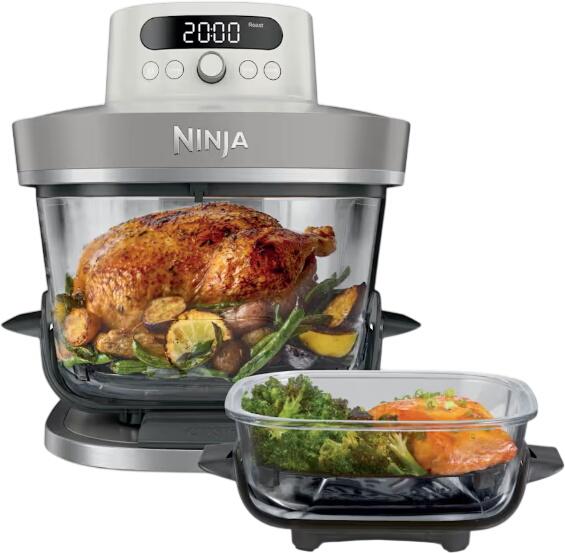
The choice of the right capacity depends heavily on the household size and cooking habits, with various size classes available for both traditional fryers and air fryers. Small fryers with a capacity of 1 to 2 litres are suitable for small households or couples and can prepare about 300 to 500 grams of chips at once. These compact models require little space and consume correspondingly less oil, but have limited flexibility for larger quantities. Medium fryers with a capacity of 3 to 4 litres are ideal for small families and can handle about 800 to 1200 grams of food per batch. Large fryers of 5 litres or more are aimed at families with children or frequent hosts and can fry 1.5 to 2 kilograms or more at once. In air fryers, capacity is indicated in terms of people or volume. XXL air fryers can prepare whole chickens or large portions with their 10-litre volume. It is important to note that manufacturers' specifications are often optimistic, and the actual capacity may be somewhat lower. In air fryers, food should not be stacked on top of each other, which reduces the actual usable capacity. For those who want more
How complicated are the cleaning and maintenance of fryers?
Cleaning and maintenance differ significantly between traditional and air fryers, with the latter being much more maintenance-friendly and requiring less effort. Traditional fryers require intensive care, as the oil must be changed regularly. With frequent use, it should be changed every 8 to 12 frying cycles or when it darkens. A complete oil change requires proper disposal of the old fat at recycling centres or special collection points, as it does not belong in the drain. After each use, the device should be cleaned. The frying basket and removable parts can usually be cleaned in the dishwasher, while the oil container is cleaned by hand with hot water and detergent. Stubborn fat deposits require special degreasers or oven cleaners. The fat filter must be changed or cleaned regularly to prevent odour formation. Air fryers are significantly easier to maintain, as the frying basket and drip tray are dishwasher-safe and can be easily cleaned after each use. The housing is wiped with a damp cloth, while the interior is freed from food residues with a soft brush. Burnt residues can usually be soaked and removed with warm soapy water. Limescale or fat deposits are less common and less stubborn than in oil fryers. Maintenance is limited to occasional deep cleaning and checking the seals.
What health aspects should be considered when choosing?
The health impacts of different frying methods vary dramatically and should play an important role in the purchasing decision, especially with regular use or in families with children. Traditional frying in oil leads to a very high fat content in the prepared foods: chips contain about 15 to 20 percent fat after frying, while they are practically fat-free when raw. A portion (200g) of fried chips can contain an additional 400 calories just from the absorbed oil. Trans fats are formed when oil is repeatedly heated above 180 degrees and are considered particularly harmful to the cardiovascular system. Acrylamide, a potentially carcinogenic substance, forms when heating starchy foods above 120 degrees and can reach high concentrations with conventional frying. Air fryers significantly reduce these problems, as the fat content drops by up to 80 percent, since only minimal oil is used. A portion of chips from the air fryer contains a maximum of 5 percent fat, saving up to 250 calories compared to traditionally fried versions. Vitamins and nutrients are better preserved due to the gentler preparation. However, some foods may not achieve the desired texture in air fryers without additional oil. For individuals with cardiovascular diseases, obesity, or diabetes, air fryers are clearly the healthier choice. With occasional use, both methods can be part of a balanced diet.
What is the difference between an air fryer and a traditional fryer?
An air fryer cooks food with hot air and little to no oil, while a traditional fryer completely fries food in hot oil.
Are air fryers healthier than conventional fryers?
Yes, because air fryers require significantly less fat or can even do without oil altogether.
How much oil do I need to use for the air fryer?
Typically, one to two teaspoons of oil are enough to make food crispy. Some recipes can even be made without any additional oil.
Do fryers with oil taste better?
Traditionally fried foods are considered particularly crispy and flavourful, but at the cost of higher fat intake. Taste is subjective and varies according to preference.
How do I clean an air fryer?
Most parts such as the cooking basket and drip tray are dishwasher safe. The device itself should be wiped with a damp cloth to avoid damaging the electronics and heating elements.