













Buy lemon juicers cheaply: Consumer tips

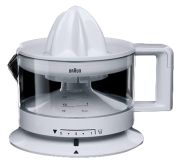
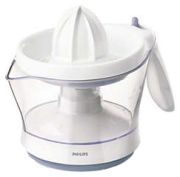
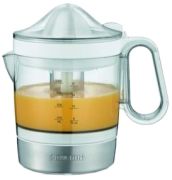
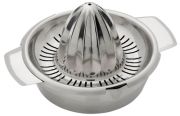
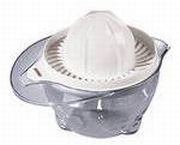
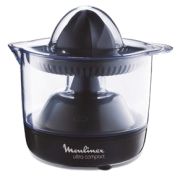
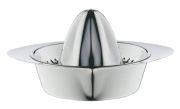
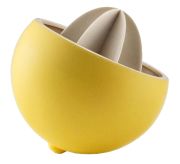
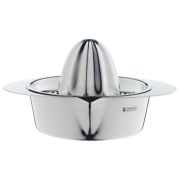
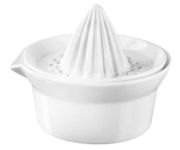
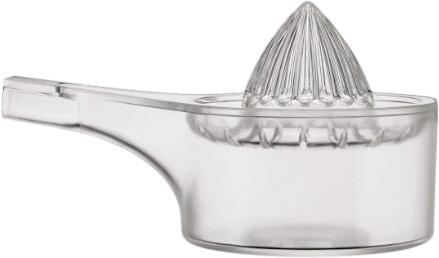
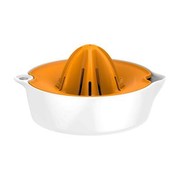
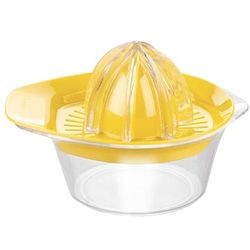
Most models consist of a collecting container and a perforated attachment, on which a head with prominent grooves is attached. When in use, pressure is applied to the fruit until the skin that holds the juice in the fruit bursts and the juice flows out. Whether the whole lemon is pressed, just half, or only small parts depends on the device.
What types are available?
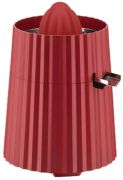
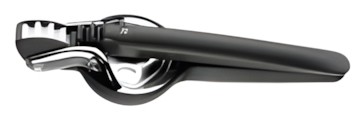
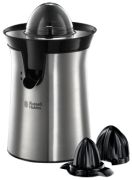
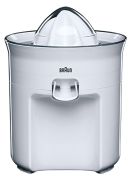
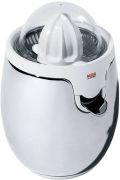
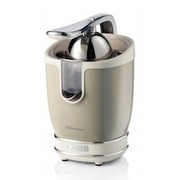
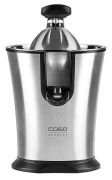
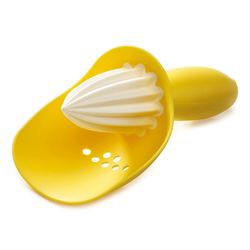
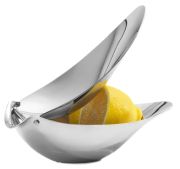
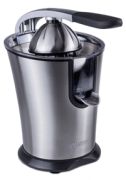
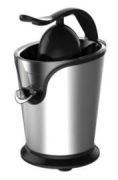
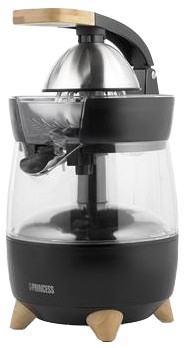
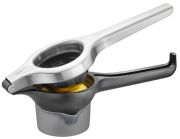
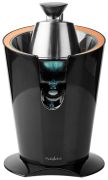
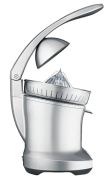
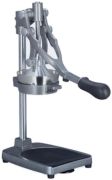
Citrus juicers are available today in all sorts of shapes and colours and are no longer just kitchen aids, but also serve as decoration in some cases. The biggest difference between the various models is likely the type of material. The most common materials are plastic and stainless steel. However, citrus juicers made of wood or silicone are also available. Additionally, the kitchen aids can be operated either manually or electronically. Common versions include the lever press (a heavy stationary device mainly used in gastronomy), the lemon squeezer (a type of tongs where the fruit is squeezed between a hemisphere and the corresponding counterpart), the electronic citrus juicer (where the head rotates automatically when a fruit is pressed against it), the silicone citrus juicer (where the lemon is placed in a kind of bag and squeezed by hand, with the juice flowing out through a hole at the bottom), and the lemon pourer (a sharp-edged tube with cut grooves that is completely twisted into the whole lemon).
What should be considered when buying?
Before purchasing, one should be aware of what shape the citrus juicer should have and which material is best for one's purposes. Since lemons are particularly acidic, the device should be made of acid-resistant materials. A significant advantage is offered by plastic, as it is easy to clean and less prone to bacteria. Other materials may rust. Additionally, the material should be very sturdy so that it does not break when pressure is applied. Simple plastic citrus juicers are already available at a low price, have the aforementioned advantages, but are often not very stable. More robustness is guaranteed by presses made of stainless metal, which, however, are often harder to clean. On the other hand, they are less likely to slip due to their higher weight, potentially saving one from an annoying mishap. Citrus juicers made of wood represent the original form but should be regularly maintained for hygienic reasons. If you only need a few drops of lemon juice occasionally, a silicone citrus juicer could also be an alternative, as it allows for more precise dosing of the juice. Additionally, a handle and a pouring spout on the presses make for easier handling. A sieve above the collecting container makes the job easier by catching pulp and seeds. The gaps between the grooves of the sieve should not be too large (otherwise, pulp and seeds will get into the juice), but also not too small (to avoid the risk of clogging). If you want to press different fruits with the device, it is advisable to use an interchangeable cone in various sizes. Furthermore, the deeper the grooves on the head, the greater the "juice yield."