







Kitchen scales: Consumer tips

A kitchen scale is especially handy for baking, where accurate measurements can make a real difference, but it is just as useful for everyday cooking, portioning ingredients and meal prep. In many homes, a good scale is used for everything from weighing flour and sugar to portioning pasta, butter, rice and protein ingredients.
If you regularly follow recipes, batch-cook or bake at home, a reliable kitchen scale can save time and help you get more consistent results.
What types of kitchen scales are available?
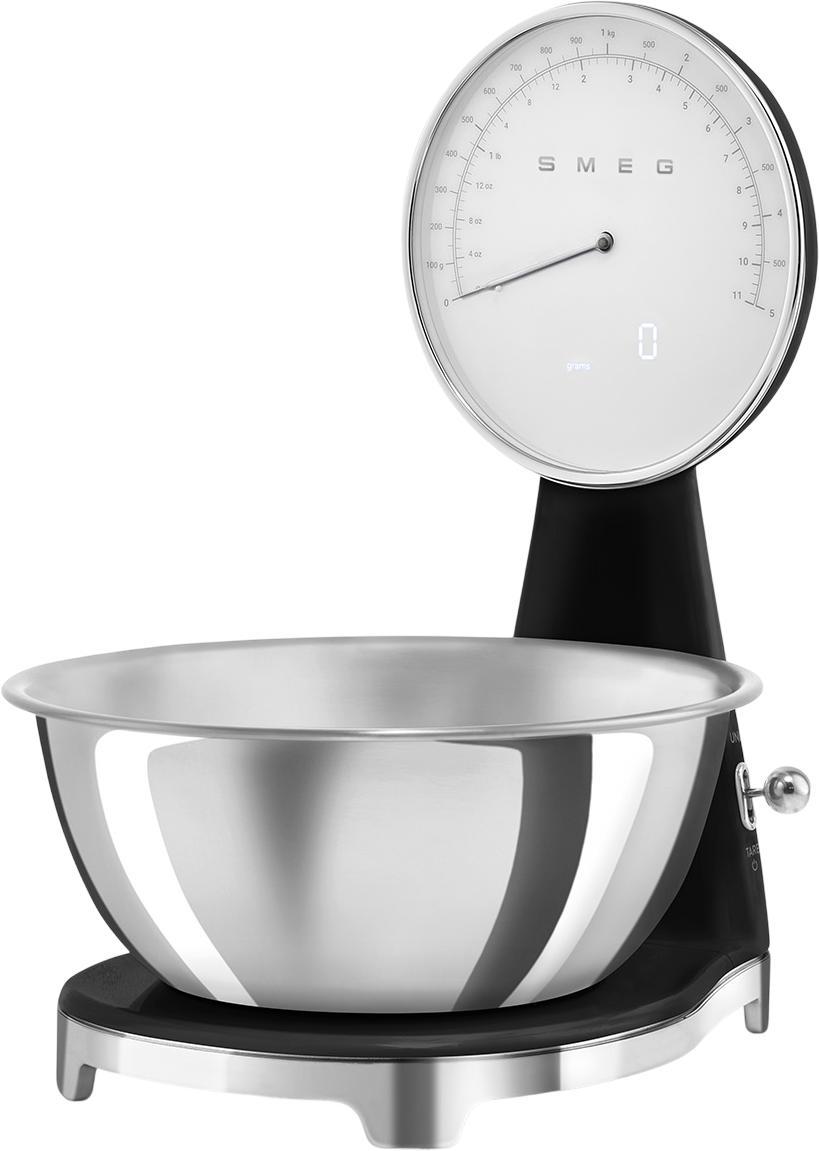
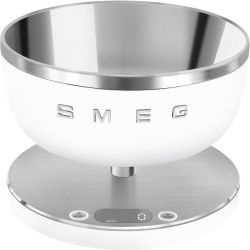
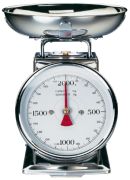
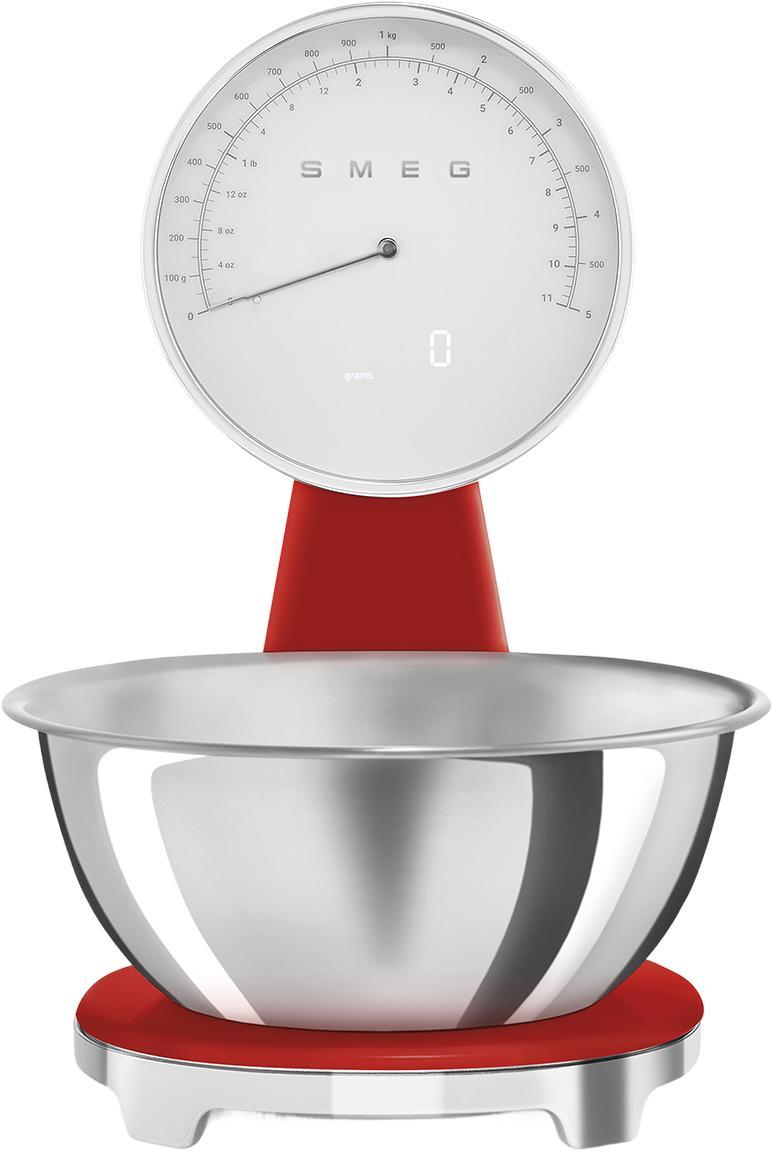
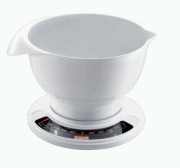
The main choice is between mechanical and digital kitchen scales. Mechanical scales are still available and still appeal to some buyers, especially if they like a classic look or want a simple design without batteries. However, digital kitchen scales are now the more common choice for most households because they are usually easier to read and more precise for everyday use.
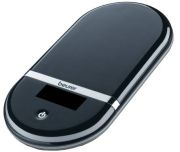
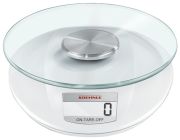
Digital scales are available in a wide range of styles and price points, so there is something to suit both occasional cooks and keen home bakers. Most shoppers now choose digital models because they fit better with modern recipe use, especially when measuring in grams.
Common types include:
- Compact digital scales: easy to store in a cupboard or drawer
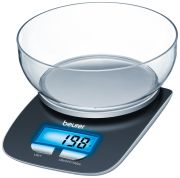
- Platform scales: practical for bowls, plates and containers
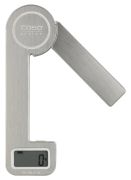
- Wall-mounted scales: useful where worktop space is limited
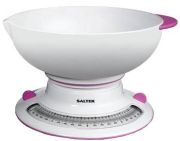
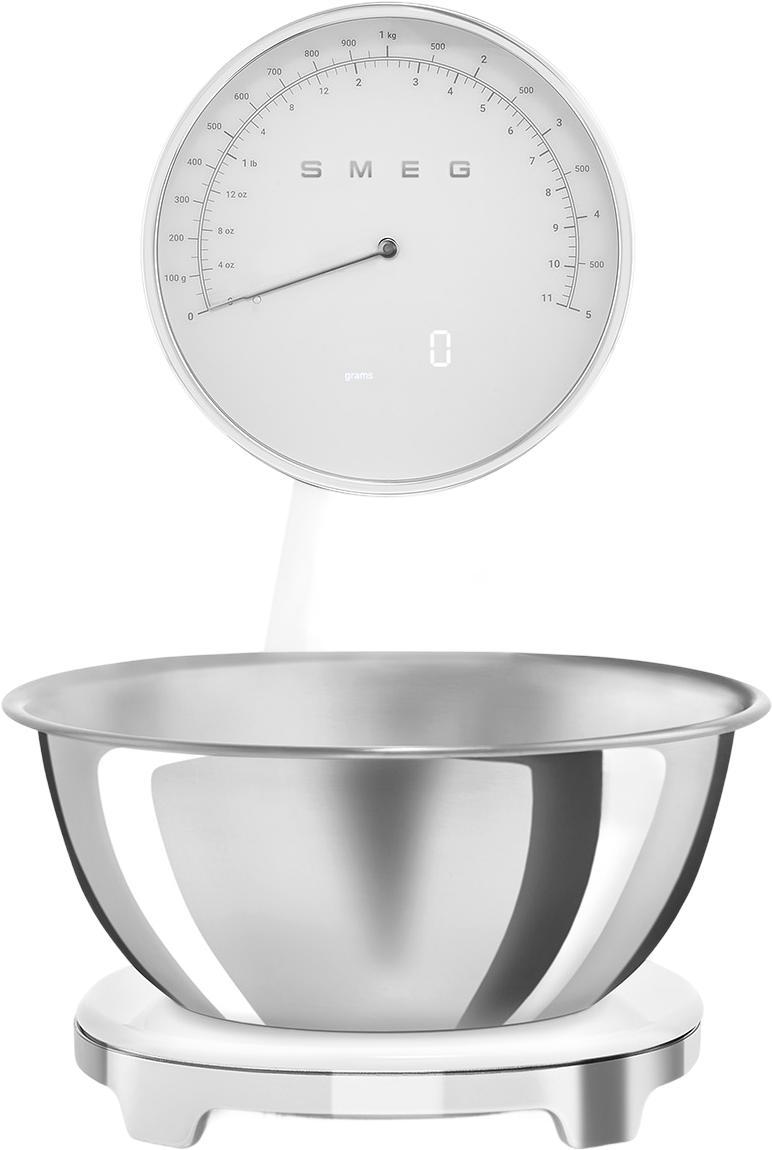
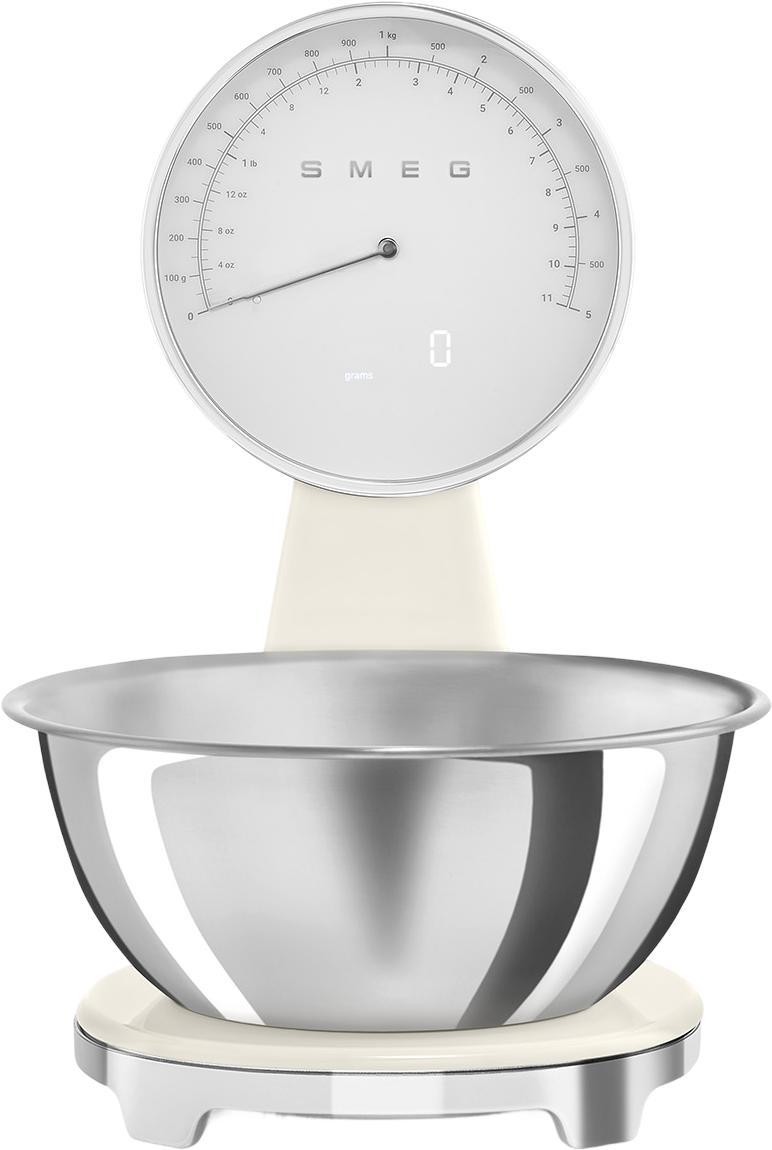
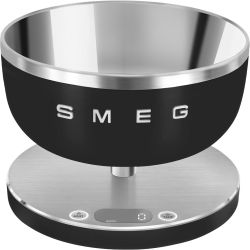
- Mechanical scales: better suited to buyers who prefer a traditional design
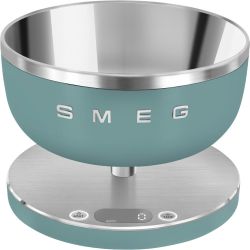
- Smart kitchen scales: sometimes paired with apps for tracking or guided recipes
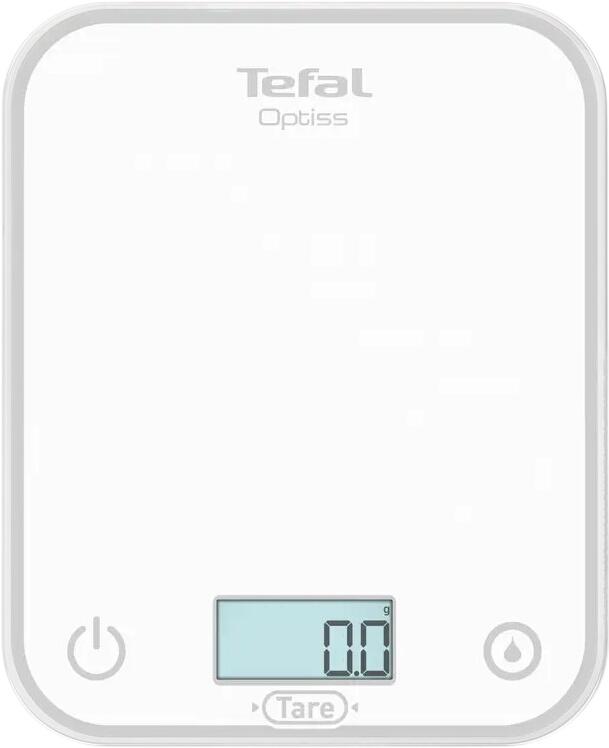
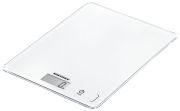
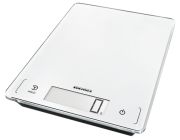
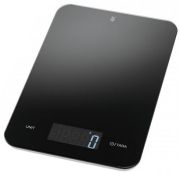
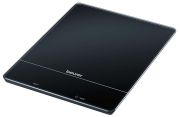
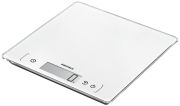
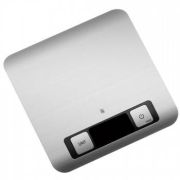
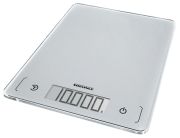
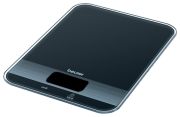
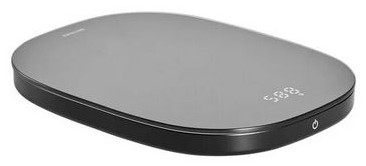
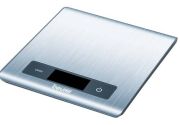
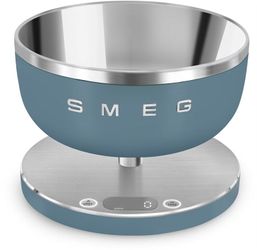
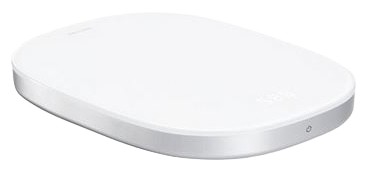
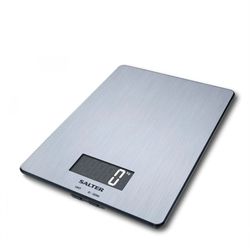
For most kitchens, a slim digital platform scale is the most practical option because it is accurate, easy to wipe clean and simple to store.
Why digital scales are so popular
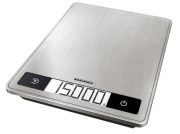
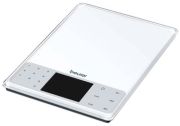
Digital kitchen scales are popular because they are quick to use, simple to read and well suited to modern cooking and baking. Many models now include practical extras such as touch controls, auto-off, unit switching and, on some newer models, USB-C rechargeable batteries instead of disposable ones. App-connected smart scales also exist, although they are still more niche than standard digital models. That does not mean every buyer needs the newest features. For many people, clear readings, easy cleaning and dependable weighing are far more important than smart functions.
What should you look for when buying?
The first thing to check is accuracy. For general home cooking and baking, a scale that measures in 1g increments is usually ideal. That level of precision is more useful in practice than vague decimal-place claims. If you are measuring very small quantities for specialist baking, coffee or nutrition tracking, you may want a more precise scale, but for most households a standard kitchen scale is enough.
It is also worth checking the maximum capacity. Most kitchen scales offer capacities around 5kg, which is more than enough for normal baking bowls and most ingredients. If you frequently batch-cook or weigh larger mixing bowls, a higher-capacity model may be more convenient.
Useful buying features include:
- 1g precision for everyday baking and cooking
- Tare function so you can reset to zero between ingredients
- Clear digital display that is easy to read at a glance
- Metric measurements as standard for UK recipe use
- Unit switching if you also use ounces or pounds in some recipes
- Easy-clean surface such as glass or smooth plastic
- Auto-off to help preserve battery life
- USB-C charging or straightforward battery replacement depending on preference
The tare function is especially important. It allows you to place a bowl on the scale, reset the display to zero and then add ingredients one after another. For baking, that is one of the most useful functions a kitchen scale can have.
Which scale is best for baking?
For baking, a digital scale with a clear display, reliable 1g accuracy and a tare function is usually the best choice. Baking recipes are often written in grams, so a metric-first scale makes everyday use much easier. A flat platform model is often better than a bulky design because it is easier to store and simpler to clean after handling flour, butter or syrup.
If you bake frequently, also look for:
- A stable platform that holds a mixing bowl securely
- Buttons or touch controls that are easy to use with messy hands
- A display that remains visible even with a large bowl on top
- A capacity suited to bread doughs or large cake mixes
What about portion control and meal prep?
Kitchen scales are also useful beyond baking. Many people use them for portioning ingredients, planning packed lunches or measuring items more consistently during meal prep. In that context, ease of use matters just as much as precision. A scale that turns on quickly, resets easily and wipes clean in seconds is often better than a more complicated model with features you may never use.
A practical kitchen essential
A kitchen scale does not need to be expensive or overcomplicated to be useful. For most households, the best choice is a digital kitchen scale with 1g precision, a tare function, a clear display and a capacity of around 5kg. Mechanical scales can still be appealing for style or simplicity, but digital models remain the most practical option for modern baking and cooking.