





Which blender to buy: Consumer tips

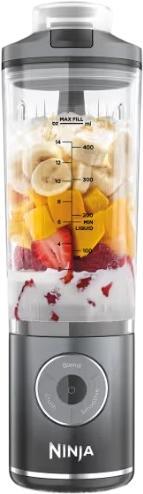
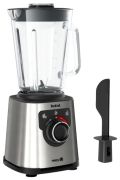
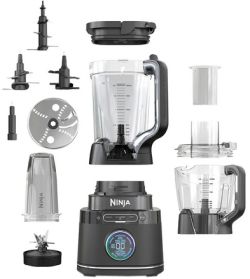
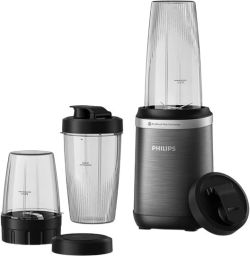
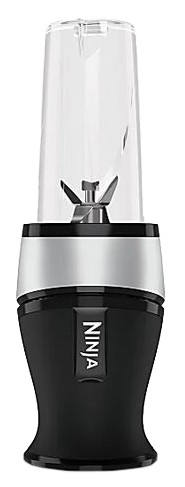
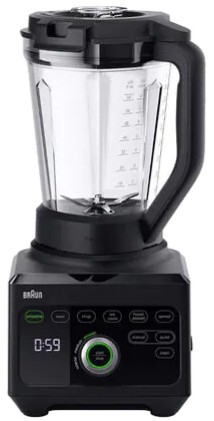
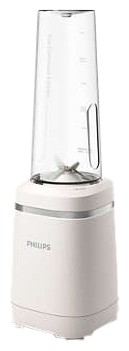
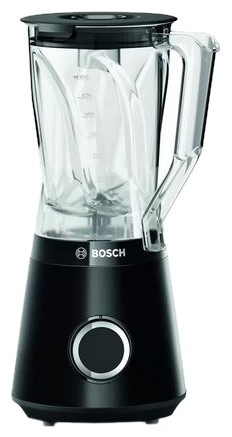
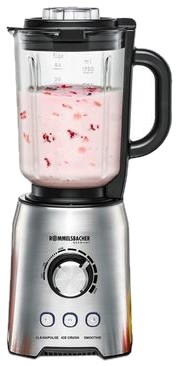
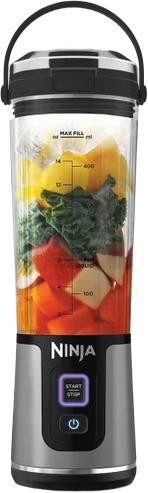
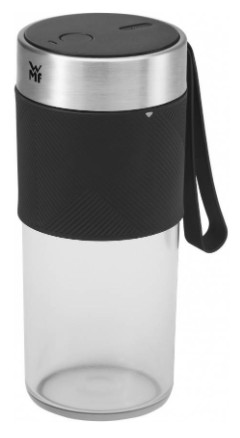
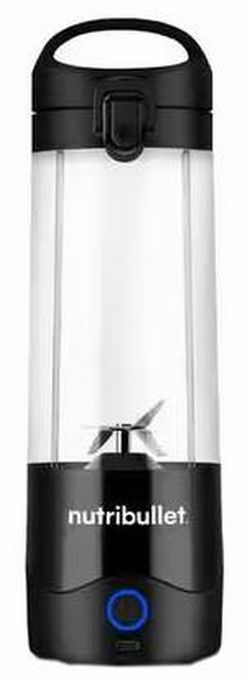
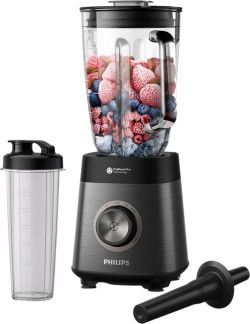
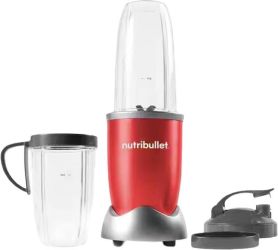
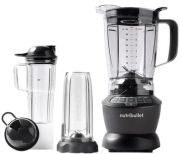
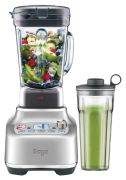
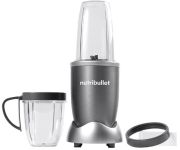
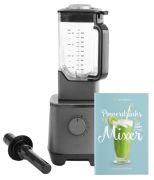
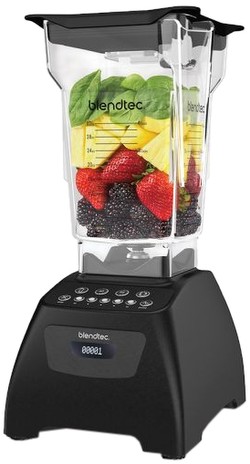
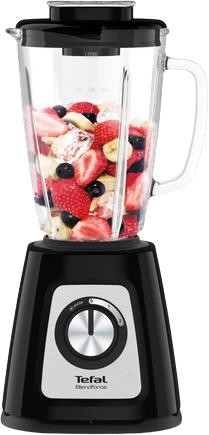
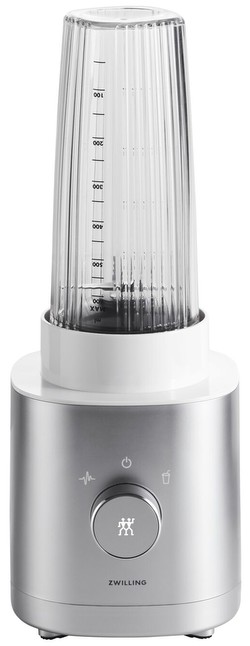
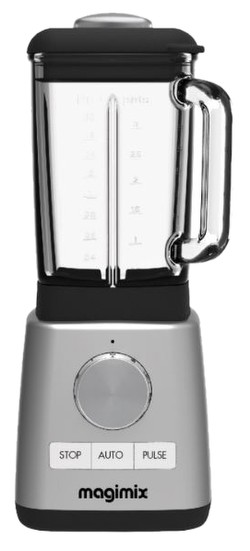
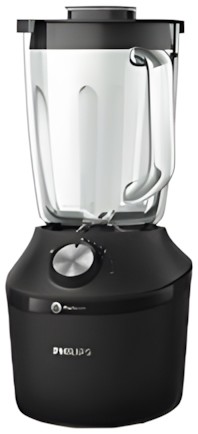
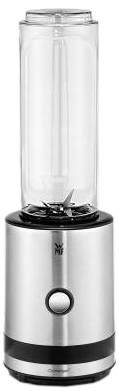
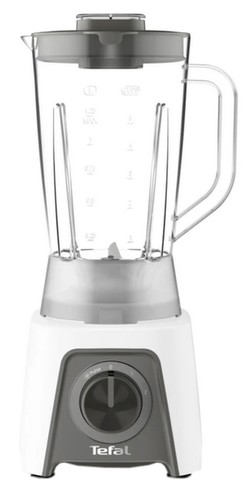
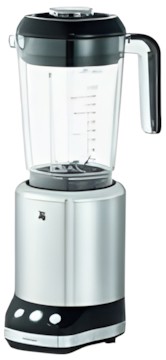
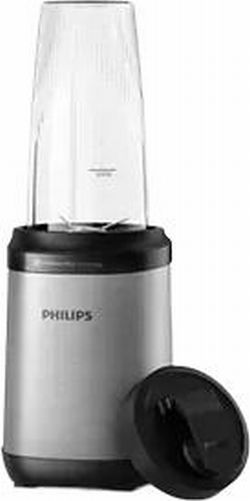
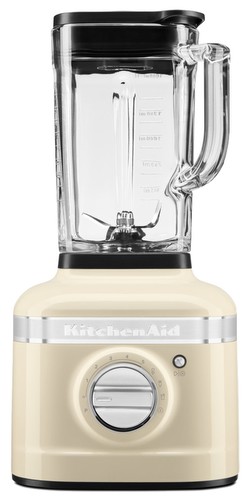
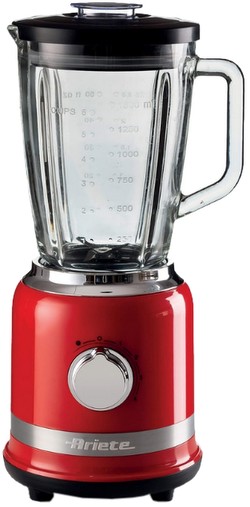
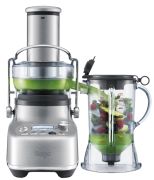
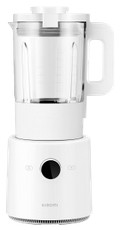
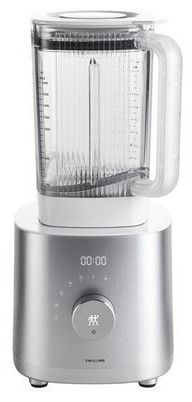
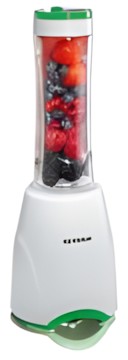
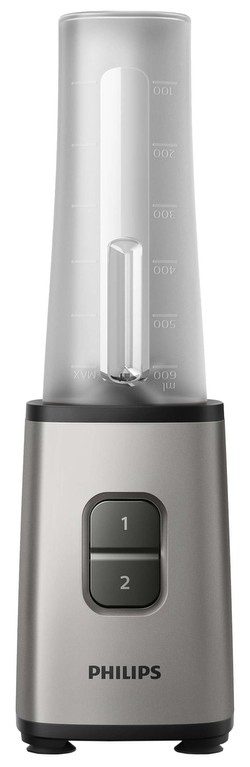
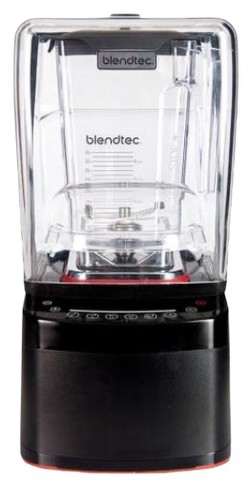
A blender consists of two main parts: the base contains the motor, which can be adjusted to different speed levels via a button on the outside. Above it sits a liquid-tight container made of glass or transparent plastic, which contains a removable blade assembly for cleaning purposes, depending on the design. The rapid rotation of the blades chops and mixes the ingredients. A lid prevents the contents from escaping during mixing. Blenders are suitable for semi-solid or liquid ingredients, for mixing fruit cocktails, for chopping and blending food, and for puréeing dishes. However, blenders are not suitable for solid food items.
What should be considered when buying?
In general, all mixers should have completely intact electrical cables and flawless workmanship. A blender should stand firmly on the surface and not slip. Hand mixers and immersion blenders should feel comfortable in hand. For hand mixers, practical slide switches are preferable to rotary switches for speed adjustment. High wattage may suggest a lot of power, but the rated power is rarely fully utilised, even during strenuous kneading or chopping nuts. Motors often overheat quickly when maximum power output is demanded. So, do not be dazzled by high wattage claims. For immersion blenders, the mixing foot should be detachable – this makes cleaning easier.