








Ice cream maker: Consumer tips
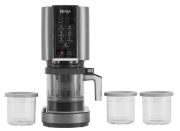
Investing in an ice cream maker proves to be a time-saving and cost-effective choice in the long run. Homemade ice cream is usually cheaper than industrially produced products from retail. Additionally, it opens up a wide range of creative possibilities for individual ice cream production.
Modern devices allow the preparation of various types of ice cream - from sorbets to low-calorie options and lactose-free alternatives to classic cream ice cream. The production process is relatively short at about 30 minutes, which also allows for spontaneous preparations.
This flexibility, combined with the variety of flavours and dietary options, makes home ice production an attractive alternative to ready-made products.
Ice cream maker with or without compressor?
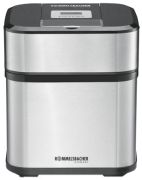
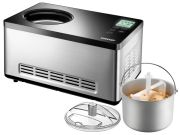
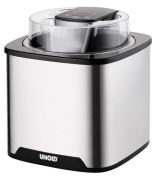
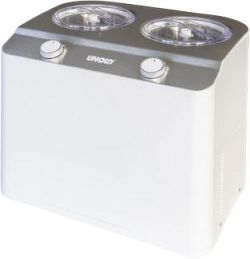
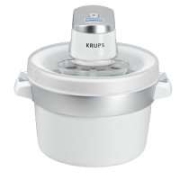
For home use, there are basically two options: The cheaper variant does not have a compressor. Instead, it has a freezing bowl with a cooling accumulator that cools the ice mixture. However, the bowl must be pre-cooled in the freezer for up to 18 hours beforehand. This is practical for singles or families who only want to make ice occasionally. Those who want to have the delicious dessert always on hand can also leave the bowl permanently in the freezer.
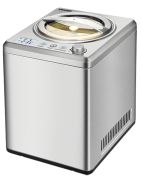
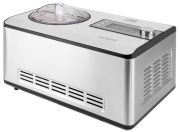
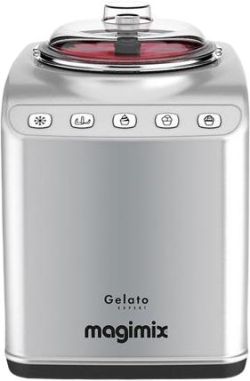
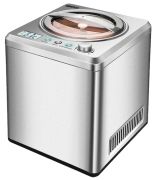
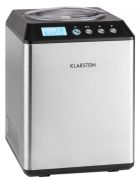
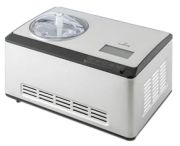
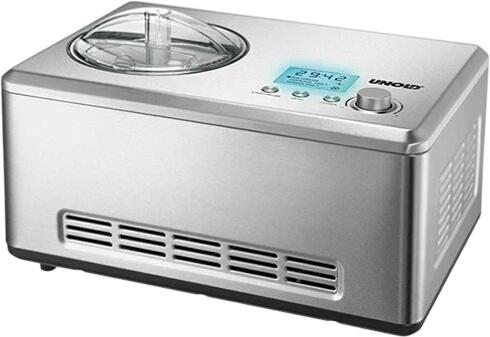
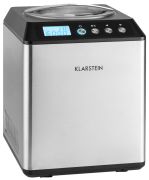
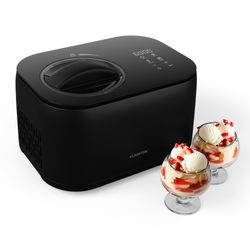
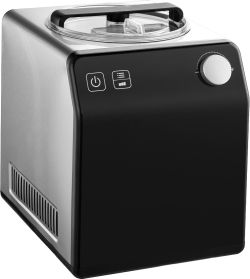
The luxury variant is ice cream makers with a built-in compressor. These cool independently, similar to a refrigerator. This allows ice or sorbet to be prepared relatively quickly without long pre-cooling.
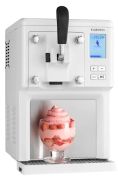
If you like it like from the ice cream shop: There are now also affordable soft serve machines for home use. They constantly churn and remove heat from the mix. The typically creamy consistency comes from the air that is incorporated.
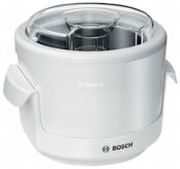
Sometimes you can also upgrade the existing kitchen machine. For this, manufacturers offer a thermal container for pre-cooling and a special mixing tool. The cooled container then replaces the normal mixing bowl, and the new mixing tool attaches to the drive shaft. It’s best to ask the manufacturer if this is possible with your model.
How long does it take to make homemade ice cream?
Making ice cream at home can take varying amounts of time depending on the method and device used. If you use an ice cream maker with a freezing bowl, you need to plan ahead: The bowl should be in the freezer for at least half a day, preferably a whole day, beforehand. Once everything is prepared, the actual freezing usually takes between 20 and 40 minutes. This also depends on how cold the ingredients are and how warm it is in the kitchen.
A bit more convenient are compressor ice cream makers. They cool themselves, and you can get started right away. After half an hour to a whole hour, the ice is ready - depending on how firm you want it to be. A plus point: You can immediately prepare the next flavour without a break.
If you prefer it old school, you can also use a hand-crank ice cream maker. This requires muscle power! You need to crank for half an hour to a whole hour to get the ice to the right consistency. However, you not only end up with delicious ice cream but also a workout behind you.
Overall, making ice cream with the ice cream maker is quite quick. However, one should not forget that preparing the ingredients also takes time. It’s best to plan this in advance, then it will work out with the ice cream cravings!
What can you make with an ice cream maker?
Making ice cream with an ice cream maker at home allows for a variety of options that differ only in composition and production method.
Classic cream ice cream is characterised by its high fat content, which gives it a particularly creamy consistency. It is based on a mixture of milk, cream, and sugar, often enriched with egg yolk. This combination results in a wonderful taste experience.
Sorbets, on the other hand, completely forgo dairy products. They consist mainly of fruit puree or juice, water, and sugar. This results in a refreshing, lighter alternative to cream ice cream. Sorbets are particularly suitable for people with lactose intolerance or for those who prefer a lower-fat option.
Frozen yoghurt positions itself as a middle ground between the aforementioned variants. It is made from yoghurt, milk, and sugar, with the fat content varying. Its characteristic is its tangy base note, which gives it a refreshing touch. Frozen yoghurt is often perceived as a healthier alternative to classic cream ice cream, as it usually contains less fat and may contain probiotic cultures.