






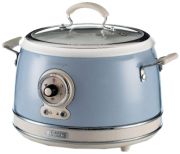
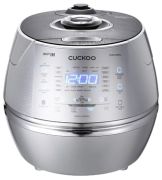
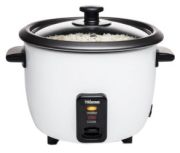


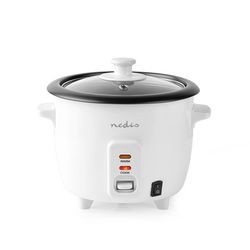
Rice cookers: Consumer tips
How does a rice cooker work and what technology is behind it?
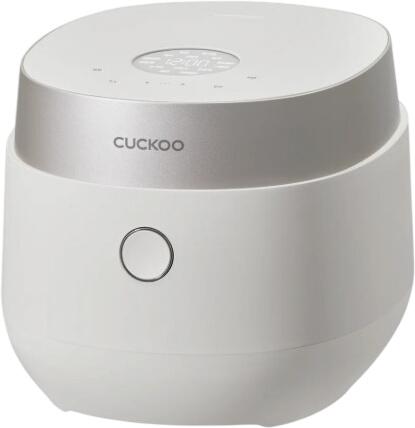
A rice cooker operates on the intelligent principle of automatic temperature and humidity control, allowing it to prepare different types of rice without manual intervention. The core component is a temperature sensor at the bottom of the device, which continuously monitors the temperature of the inner pot and controls the cooking process accordingly. During the first phase, water and rice are heated, with the temperature remaining constant at 100 degrees Celsius as long as there is free water present. Once the water has been fully absorbed by the rice, the temperature suddenly rises, which the sensor detects and automatically switches to the keep-warm phase. This elegant solution works independently of the amount of rice, as the physical principle remains the same. For optimal results, rice cookers use Fuzzy Logic technology, which has multiple sensors and takes into account factors such as humidity, temperature, and even the type of rice. The intelligent system can adjust the cooking process in real-time, select the optimal water temperature, and go through different cooking phases for the desired texture. Induction heating in high-end models ensures a more even heat distribution than conventional heating plates, while pressure functions reduce cooking time and allow for particularly fluffy results. An integrated steam valve regulates the internal pressure, and the non-stick coating of the inner pot ensures even heat distribution and easy cleaning.
Simple rice cookers or intelligent Fuzzy Logic – What is the right choice?
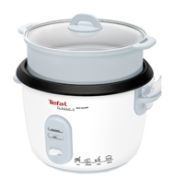
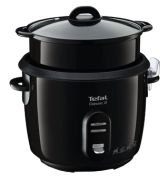
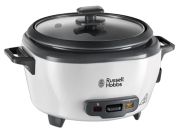
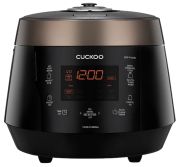
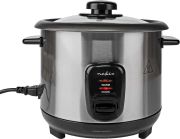
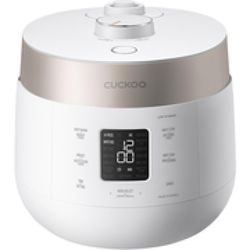
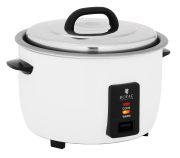
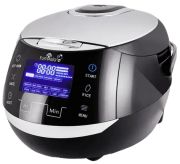
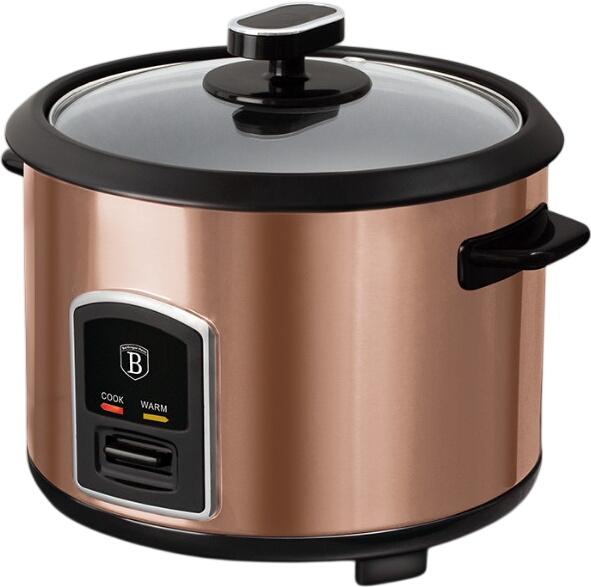
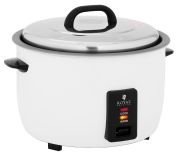
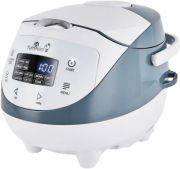
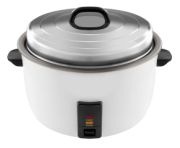
The decision between simple and intelligent rice cookers depends on cooking demands, frequency of use, and available budget, with both systems offering their specific advantages. Simple rice cookers with mechanical switches operate on the proven principle of "One button and nothing more is needed" and are available from 20 pounds, reliably preparing perfect rice when the ratio of rice to water is correct. These cookers are durable, have few sources of error, and are perfect for anyone who mainly prepares one type of rice. They have basic functions such as cooking and keeping warm but require manual water dosing based on experience or instructions. Rice cookers with Fuzzy Logic, on the other hand, offer artificial intelligence that automatically recognises different types of rice and selects optimal cooking programmes. They have pre-programmed modes for jasmine rice, basmati, brown rice, sushi rice, or even quinoa and other grains. Digital displays show the remaining cooking time, and the timer allows for cooking at the desired time. Advanced models offer various texture levels from soft to firm, quick cooking programmes, or even reheating cycles for already cooked rice. Premium Fuzzy Logic rice cookers can take into account ambient temperature and humidity and adjust the cooking programme accordingly. For occasional users, simple models are completely sufficient, while true rice lovers benefit from intelligent systems. It is important to know that expensive devices do not automatically produce better rice, as water quality and rice type are still crucial for quality and taste.
What additional functions and programmes are useful?
The keep-warm function is practically standard and keeps cooked rice warm for up to 12 hours or longer without drying out or burning. Steaming inserts expand functionality and allow for simultaneous cooking of vegetables, fish, or dim sum over the boiling rice, creating complete meals in one device. Quick cooking programmes reduce cooking time by up to 40 percent through higher temperatures or pressure functions, which is helpful for spontaneous cooking. Programmes for porridge or congee allow for the preparation of rice porridge with longer cooking time and more liquid, and even cakes can be baked. Broth functions for soups or stews turn the rice cooker into a small slow cooker. Various settings from soft to firm consider different uses, e.g., soft rice for sushi, firm rice for side dishes. Reheating cycles can bring already cold, cooked rice back to serving temperature. While all these functions increase convenience, they are not essential. A simple rice cooker with good basic functionality is often more practical than an overloaded device with unused features.
What types of rice can be prepared and how can optimal results be achieved?
A good rice cooker can optimally prepare almost all types of rice if the characteristics of each rice type are taken into account. Long-grain rice such as basmati or jasmine requires less water and shorter cooking time, with the result being fluffy and grainy. Programmes for basmati in rice cookers with Fuzzy Logic take into account the necessary soaking time and gentle heating for optimal texture and aroma. Medium-grain rice such as bomba or arborio for paella and risotto requires more control over the cooking process and benefits from programmable devices with different temperature levels. Rice pudding requires more water and longer cooking time for the desired sticky consistency. Whole grain rice and brown rice require significantly more water and a longer cooking time, which is why they need an extended soaking phase. Water quality significantly affects the result: hard, chalky water can impair the taste, while soft water generally delivers better results. Washing the rice before cooking removes excess starch and improves texture, which is particularly essential for sushi rice. The right amount of water is critical and varies depending on the type of rice, desired consistency, and even the season, as older rice requires more water. Premium rice cookers automatically adjust these parameters, while simple models require experience and experimentation.
Can rice cookers also prepare other grains and dishes?
Rice cookers are surprisingly versatile kitchen appliances and can do much more than just prepare rice, with the range extending from other grains to complete meals. Quinoa, the South American superfood, cooks perfectly in a rice cooker. Bulgur, couscous, and millet can also be easily prepared, with shorter cooking times than rice, and one must pay a bit more attention. Oatmeal for porridge or overnight oats works well in most devices, with milk instead of water being used. Polenta and other corn products benefit from even temperature control and automatic stirring in appropriately equipped models. The steaming functions allow for the preparation of vegetables, fish, or even eggs in the steamer basket over the rice, creating complete meals in one device. Yogurt can be made in rice cookers on low-temperature programmes but requires precise temperature settings. Of course, not all functions are available on all models, and some dishes require a bit of practice before they succeed. The versatility makes a rice cooker particularly attractive for small kitchens or students, where one device takes on multiple functions.
Can I prepare all types of rice in a rice cooker?
Most rice cookers are suitable for white and brown rice, some also for sushi rice, whole grain rice, or wild rice.
How much rice fits in a rice cooker?
The capacity varies between 0.5 and 3 litres or 3 to 10 cups of uncooked rice.
How does the keep-warm function work?
After the cooking process, the rice cooker automatically switches to the keep-warm mode, so the rice stays warm and fresh for several hours without burning or drying out.
Can I also cook other things in the rice cooker?
Many rice cookers can also prepare steamed vegetables, quinoa, or soups. Some models offer accessories and special programmes for versatile use.
Is it worth buying a rice cooker?
For frequent rice eaters or users who want perfect rice without effort, a rice cooker is a worthwhile investment.