











Bicycle pumps: Consumer tips
Bicycle pumps come in various designs and sizes, depending on the tyre and the area of use. To find the right bicycle pump, various aspects such as pump type, compatibility with the installed bicycle valve, pressure performance, and mobility should be considered. The following are important factors that can help in selecting the right bicycle pump.
What types of bicycle pumps are there?
Bicycle pumps are available in many different designs, tailored for different situations and requirements. Common types of bicycle pumps include floor pumps, foot pumps, hand pumps, mini pumps, CO2 pumps, and also battery-operated air pumps.
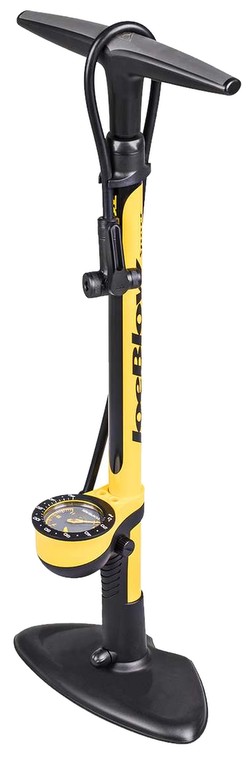
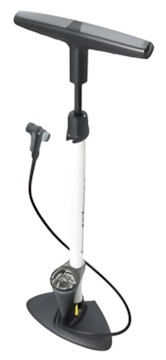
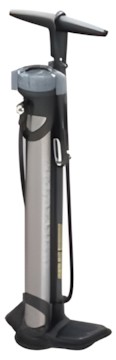
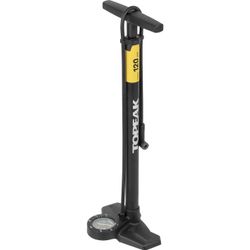
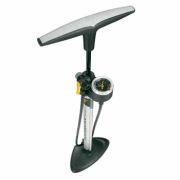
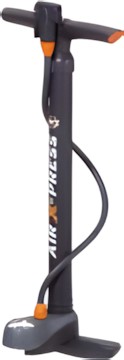
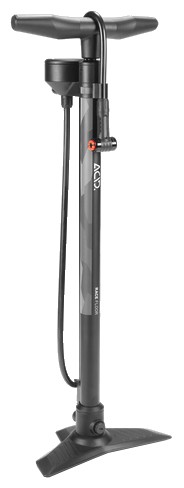
- Floor pumps offer high pumping performance with little effort and are often equipped with a gauge that allows for precise adjustment of tyre pressure. Due to their size and weight, they are designed for stationary use at home or in the workshop. They have a stable base for standing on the floor and a long lever arm for pumping, which has a flexible hose with a valve at the end that connects to the bicycle tyre valve.
- Foot pumps are particularly back-friendly, as they can be operated while standing. The effort required for a foot pump feels less than that of a floor pump, as the necessary force comes from the legs. Models with two pumping cylinders further accelerate the inflation process. With a foot pump, special attention should be paid to stability, as it may wobble back and forth while inflating.
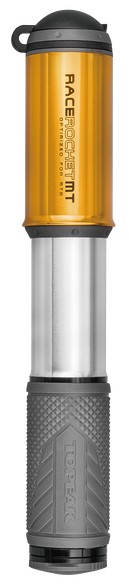
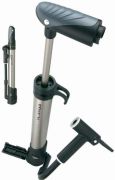
- Hand pumps are usually compact and lightweight and can be found in almost every household. They are typically attached to the bicycle frame and are always ready for use. They come in various lengths, making them suitable for all frame sizes. Models with double stroke pump air into the tube when pushing and pulling, thus speeding up the inflation of the tyre.
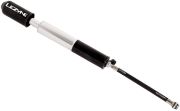
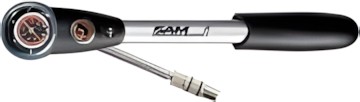
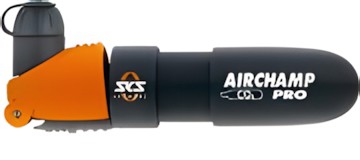
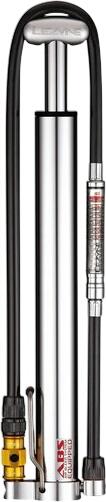
- Mini pumps are small and lightweight, making them ideal for on-the-go use. They fit easily into a saddlebag or can be attached to the bicycle frame. They require more effort to inflate than air pumps with a larger stroke volume and often do not reach the pressure of a floor pump. Telescopic pumps, which have a larger stroke volume and thus save some effort, can help here.
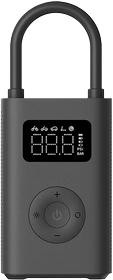
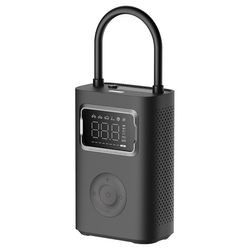
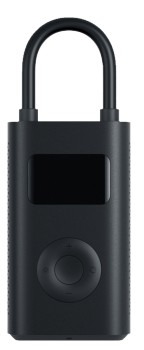
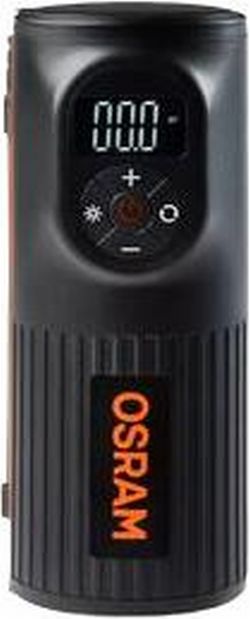
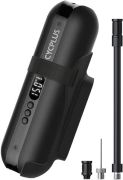
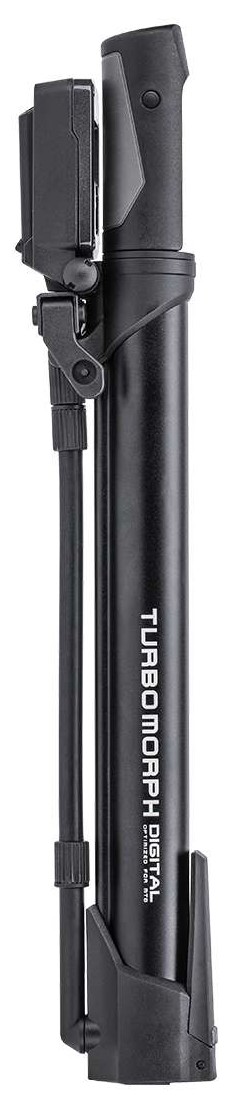
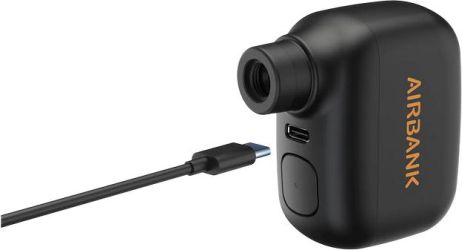
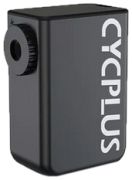
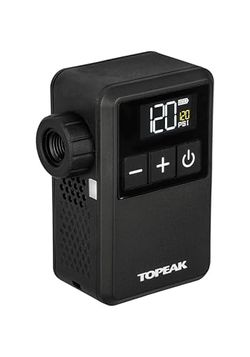
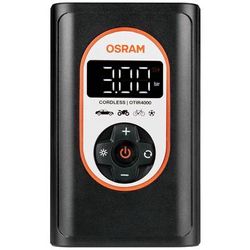
- Battery pumps have a built-in lithium-ion battery and are rechargeable. They are usually very handy and can inflate not only bicycle tyres but also car tyres, balls, and other tyres. Due to their design, these small electric air pumps are relatively loud and also slow when inflating a tyre.
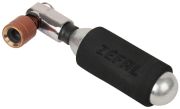
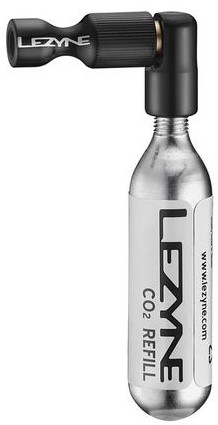
- CO2 pumps offer a quick and convenient way to inflate a tyre due to their very compact design. They work with CO2 cartridges and are ideal for emergencies on the go. However, since they use disposable cartridges, there are ongoing costs for replacement cartridges.
Which bicycle pump fits my valve?
There are three different types of bicycle valves: car valves (Schrader), which are commonly found on mountain bikes and children's bikes, French valves (Presta or Sclaverand), which are found on racing bikes and high-quality mountain bikes, and Dunlop valves, which are usually found on city and Dutch bikes. Many modern bicycle pumps, especially floor pumps, are designed to be compatible with both Schrader and Presta valves. However, sometimes an adapter must be used or the pump head replaced to switch between the two valve types. Most bicycle pumps on the market are compatible with all three valve types, but it is advisable to check this before purchasing, as there are still pumps that are only compatible with one valve type.
What is a gauge and do I need one?
A gauge is a pressure meter used to measure the air pressure in the tyre. The gauge is attached to the top or bottom of the air pump and displays the air pressure using a scale and pointer in bar or PSI. The correct tyre pressure is crucial for the optimal performance of the bicycle. Different types of tyres have different ideal air pressures. Depending on the surface and desired riding characteristics, for example, more air can be pumped for less rolling resistance or slightly less air for more grip. In general, it can be said that narrow tyres are filled with more pressure and wide tyres with correspondingly less. A racing bike tyre typically has 6 to 8 bar, while a mountain bike used in rough terrain has about 2 bar. The ideal tyre pressure also always depends on the rider's body weight and the tyre size.
How often should I check the tyre pressure of my bicycle?
The tyre pressure should be checked at least once a week during regular riding and adjusted if necessary. With intensive use or changing road conditions, more frequent checks may be advisable. At the very least, the tyre pressure should be checked before riding after a long period of non-use to avoid unpleasant surprises on the road. This is especially important for e-bikes to ensure safe and comfortable travel. Tyres naturally lose air, which can be accelerated by various factors such as temperature fluctuations. The quality of the tyre and the bicycle tube is also crucial. Therefore, it is important to regularly inflate the tyres to maintain optimal air pressure. A properly inflated tyre not only provides better performance and efficiency while riding but also minimises the risk of a flat tyre.