








Bass guitar: Consumer tips

Before purchasing a bass, it should be clear what type of music will be played. This also corresponds to the playing style. For example, there are basses that are particularly suitable for slap technique. Basses are among the instruments that are highly dependent on their accessories. Purchase criteria include the material, the workmanship of the individual components, and the equipment. When it comes to material, it is mainly about whether plywood or solid wood is used, and which solid wood was used for production. Although bass guitar does not have an acoustic body, the processing of the body is important.
What is bass guitar?
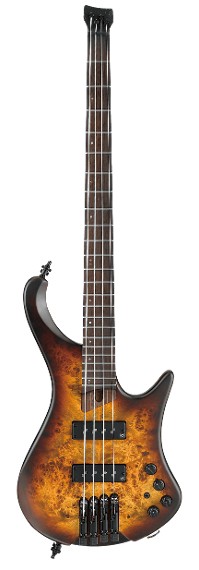
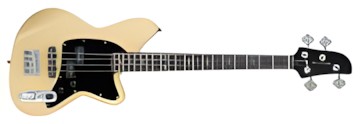
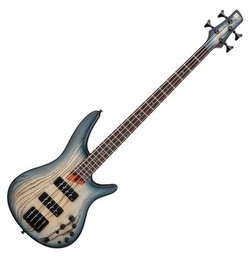
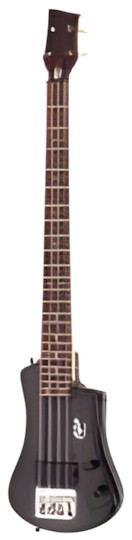
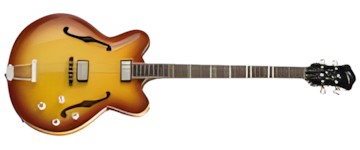
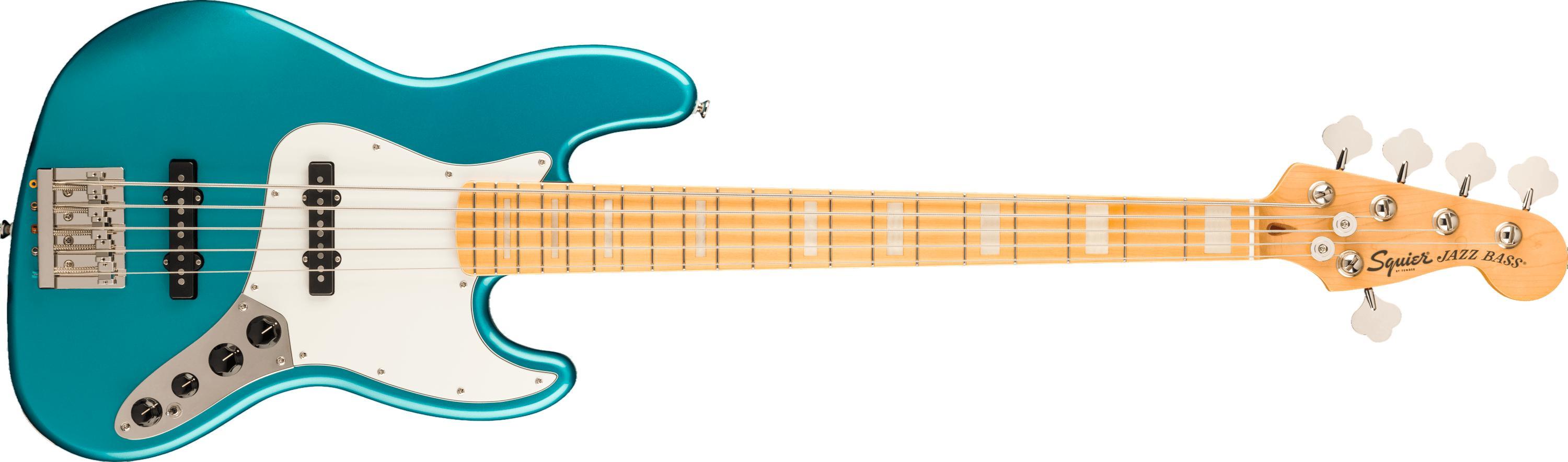
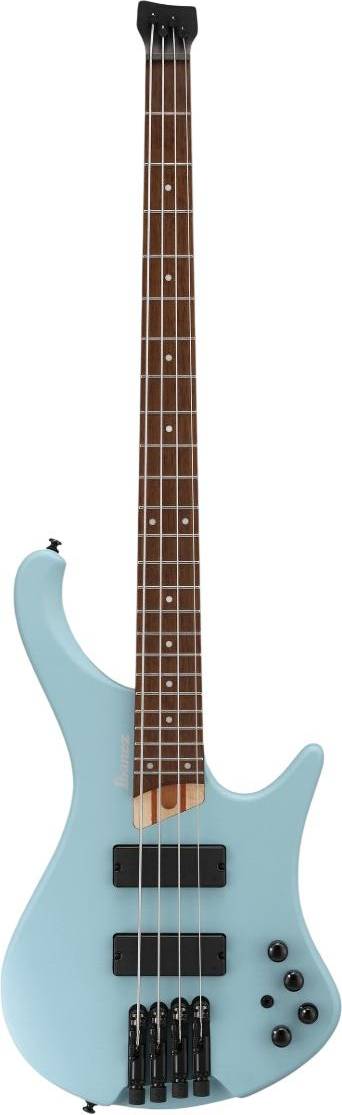
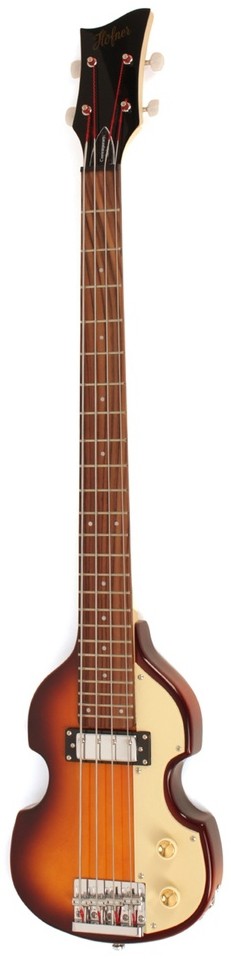
An electric bass guitar, often simply called bass guitar, is an electrically amplified string instrument that plays an important role in many music styles. The E-bass visually resembles the electric guitar but has a longer neck and a lower tuning. Typically, bass guitar has four strings tuned to E, A, D, and G, with E being the lowest string. There are also models with five or six strings. In music, the E-bass mainly serves to support the harmonic foundation and rhythm of a band or a piece of music. Bassists use various playing techniques such as plucking, slapping, or playing with a pick to create different sounds and styles. The electric bass was developed in the 1930s and has since largely replaced the traditional double bass in many music genres.
How many strings does bass guitar have?
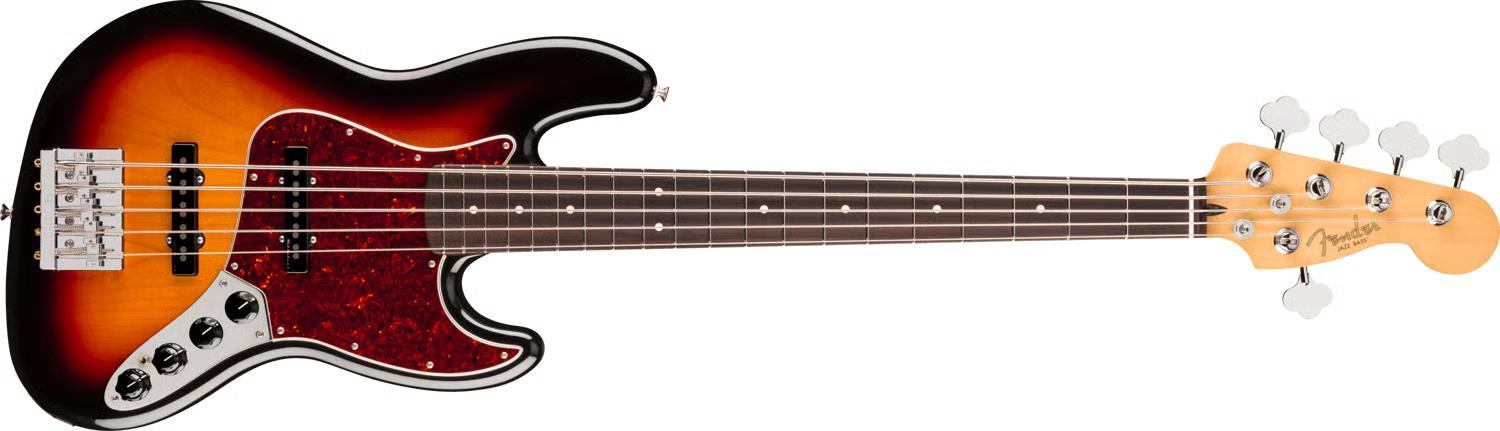
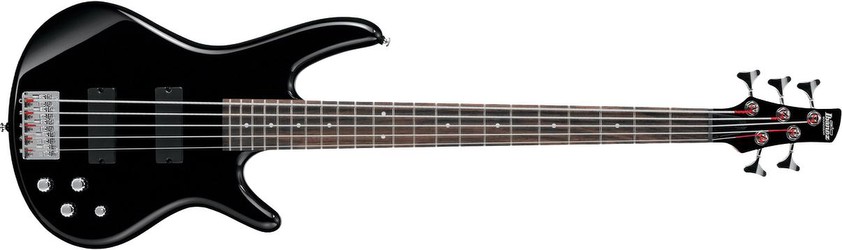
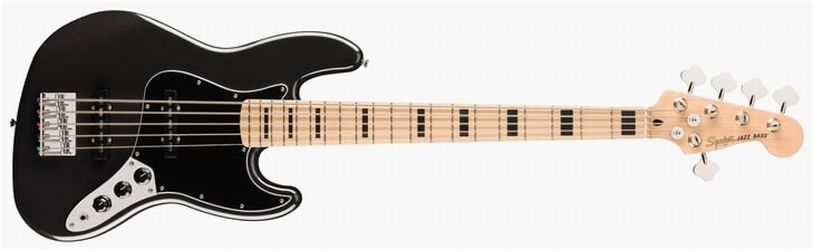
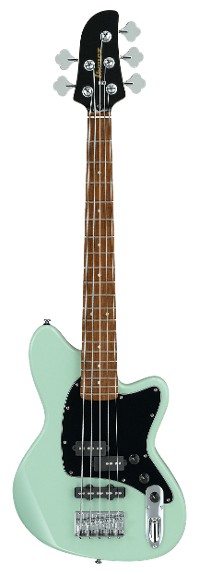
The number of strings on bass guitar varies depending on the model and intended use. Four-string bass guitars are the most common and are suitable for a variety of music genres, from rock and pop to jazz and funk. However, there are also bass guitars with more strings that offer additional options for bassists seeking a greater harmonic and melodic range. Five-string basses have an additional low string, which is usually tuned to B (or H). This expands the instrument's range and allows the bassist to delve deeper into harmony. Six-string bass guitars are also available and expand the five-string model with an additional high string, which is usually tuned to C. Six-string basses are particularly suitable for advanced bassists working in genres such as jazz, fusion, or progressive rock, who want to play both high melody lines and deep bass lines.
What material is bass guitar made of?
- The body is usually made of solid wood, with different types of wood chosen for their aesthetic and acoustic properties. Commonly used woods include alder, ash, mahogany, and lime. Each type of wood has an impact on the sound of the instrument, with denser woods like mahogany often producing a warmer, fuller tone, while lighter woods like alder and ash provide a brighter, clearer sound.
- The neck is typically made of maple, mahogany, or other stable hardwoods. Maple is known for its bright sound and sustain, while mahogany produces a warmer tone. Some basses also feature multi-layered or laminated necks made from a combination of woods to enhance stability and tonal variety.
- The fingerboard can be made from a variety of woods, including rosewood, ebony, maple, and pau ferro. The choice of fingerboard wood affects the playability and sound of the instrument. For example, rosewood has a warm, soft sound, while maple produces a brighter, clearer tone.
- The strings are typically made of steel or nickel, wrapped around a steel core. Steel strings provide a bright, clear sound, while nickel strings produce a warmer, softer tone. There are also coated strings that extend the lifespan and protect the strings from corrosion.
- The hardware, including tuning machines, bridge, and pickups, is usually made from metal alloys such as brass, chrome, nickel, or gold. The choice of hardware materials affects the overall weight, durability, and sound of the instrument.
What are the most well-known manufacturers and E-bass models?
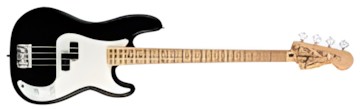
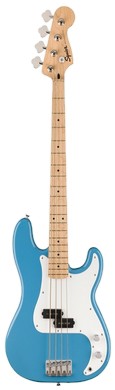
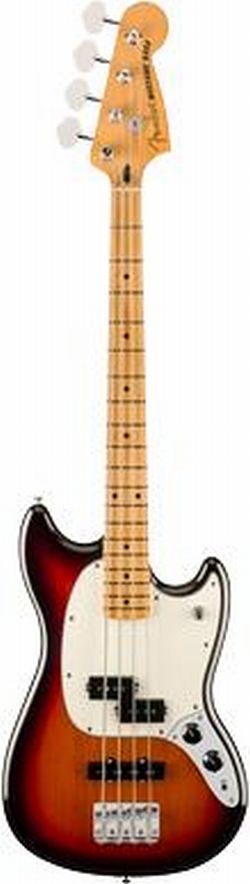
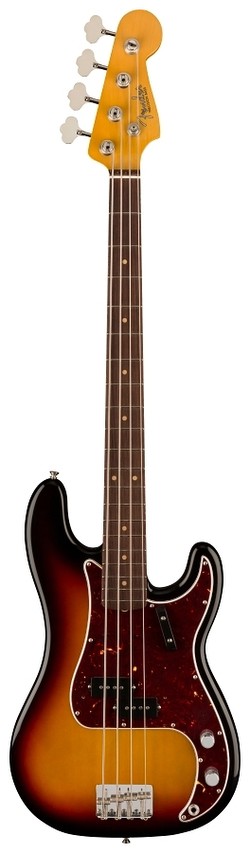
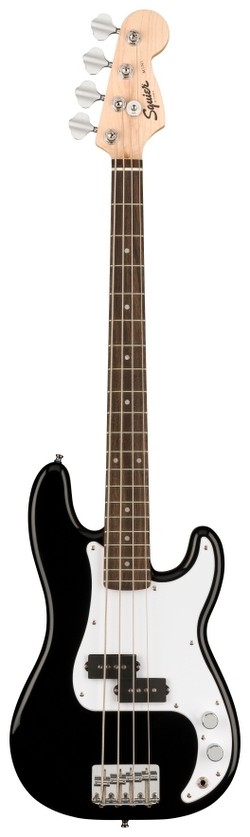
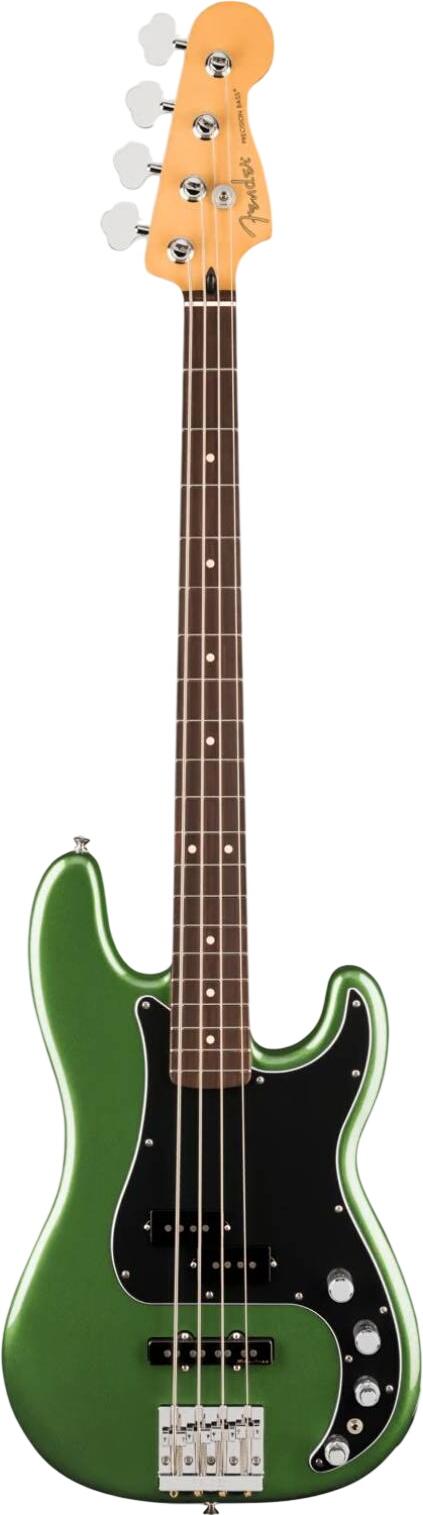
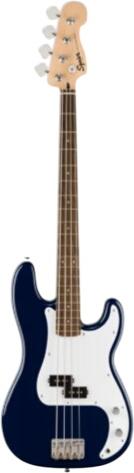
- Fender Precision Bass: The first commercially successful model, known for its precise and clear sound.
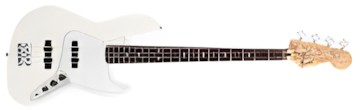
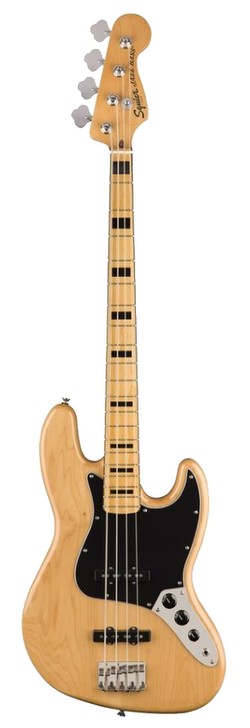
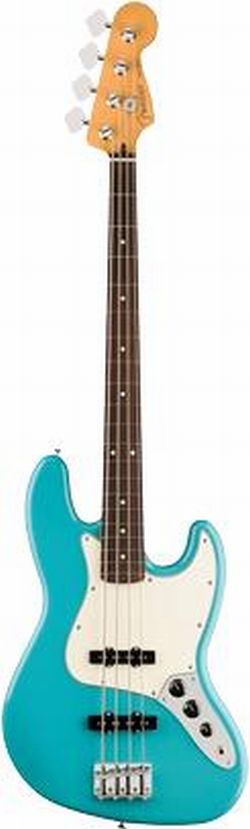
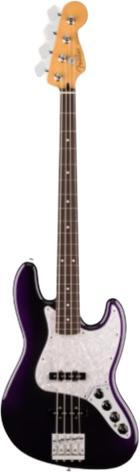
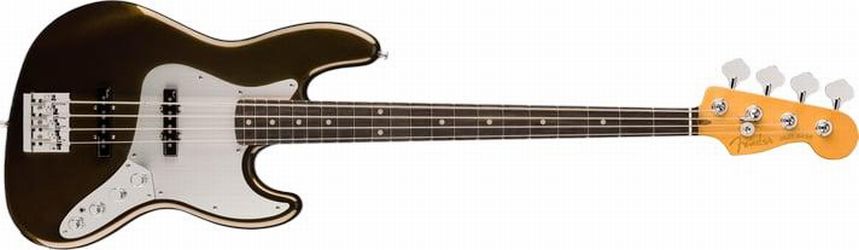
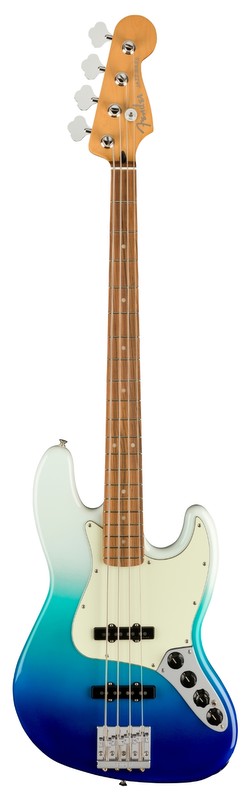
- Fender Jazz Bass: With a slimmer neck and a versatile tone that delivers both funky slap lines and deep rock grooves.
- Gibson Thunderbird: A bass with a distinctive design and powerful sound.
- Rickenbacker 4001: Popular for its sharp, assertive sound and iconic design.
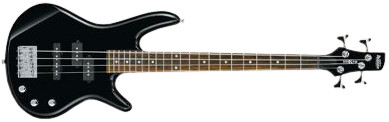
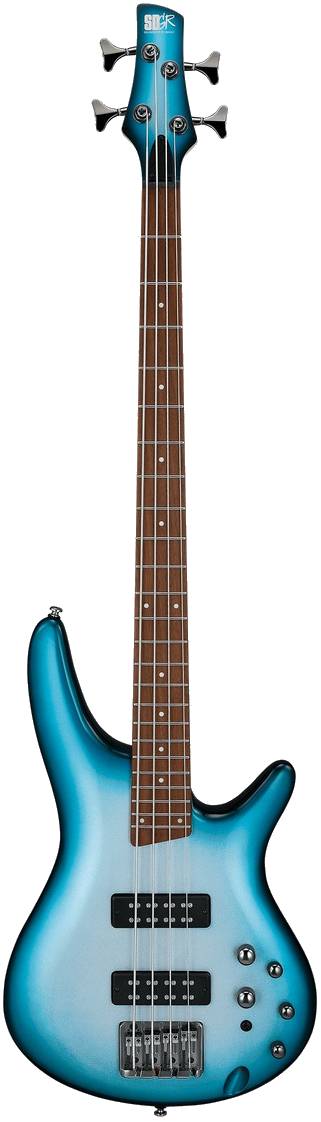
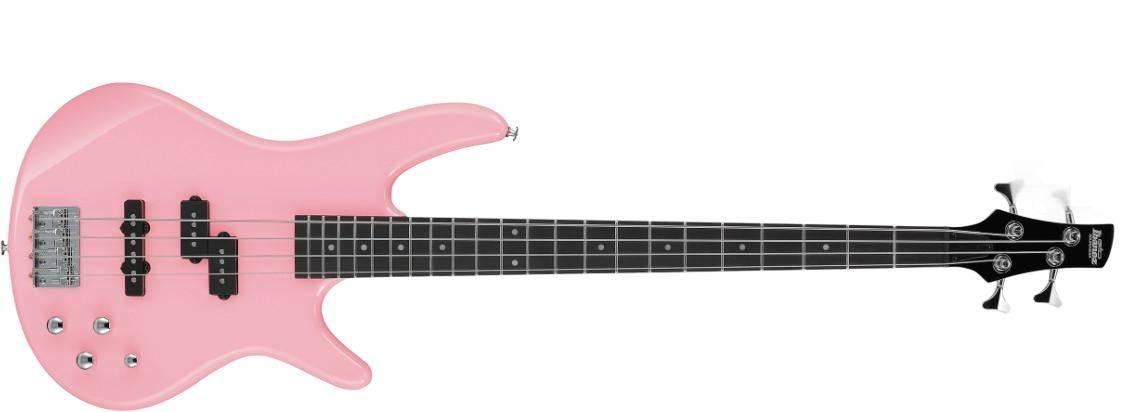
- Ibanez SR Series: Known for their playability and wide range of models for all price ranges.
- Music Man StingRay: Introduced in the 1970s and known for its strong, assertive tone, particularly popular in funk music.
What does fretless mean in relation to bass guitars?
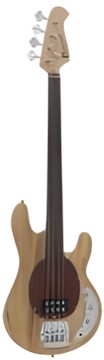
Fretless refers to bass guitars that do not have frets on the neck. Frets are metal bars on the fingerboard of a string instrument that help the musician hit the right notes. A fretless E-bass instead has a smooth fingerboard, allowing the player to move the strings continuously along the neck, creating a flowing, singing sound. However, they require more finger dexterity and intonation accuracy than fretted basses, as the player must find the exact position for the desired note without the help of the frets.
How do you choose the right amplifier for bass guitar?
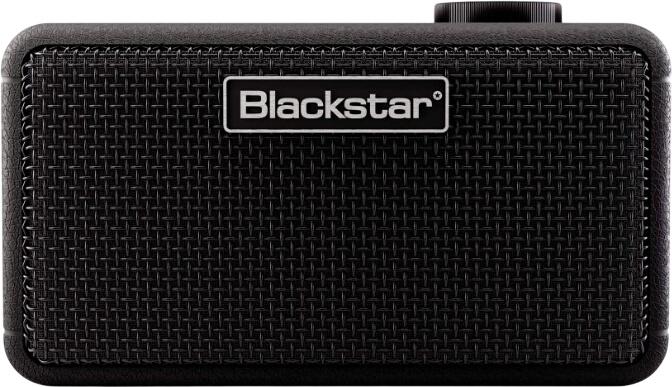
There are a variety of bass amplifiers on the market that can be divided into different categories: combo amplifiers, separate heads and speaker cabinets, modelling and hybrid amps. Combo amplifiers are a practical solution as they combine amplifiers and speakers in one enclosure. They are well-suited for practice, small performances, and musicians who value portability. Separate heads and speaker cabinets offer more flexibility and power but are less portable and more expensive. This option is more suitable for professional musicians who perform on larger stages and require high volumes. Modelling amplifiers use digital technology to emulate different amplifier types and effects. They are versatile and often lighter than traditional amplifiers. Hybrid amplifiers combine analog and digital technologies to take advantage of both worlds.
Do I need accessories?
This is very likely, as even if you only want to play at home occasionally, you will still need new strings from time to time. It is also advisable to purchase a tuner, as it makes tuning the instrument easier and faster. A case is also recommended, as it protects the bass not only during transport but also during storage. Speaking of storage: a stand is best for placing the bass guitar. However, most expenses arise from amplification and effects. The sound of a bass depends not only on its own construction and equipment but is significantly shaped by the amps (from English amplifier). Here, a distinction must be made between compact amps and separate components (top amps and cabinets). Good amplifiers and good cabinets can indeed be more expensive than the bass itself.