










String instruments: Consumer tips

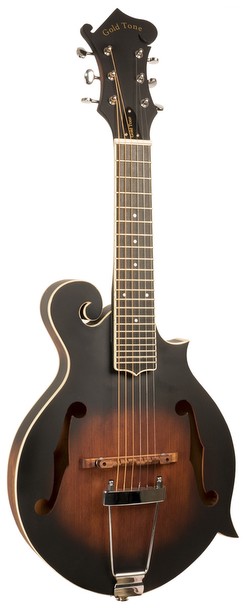
String instruments are characterised by having taut strings that are made to vibrate through various techniques, such as bowing, plucking, or striking. The vibrations produced create the sound. Depending on the resonating body and the type of instrument, the sound produced can vary significantly.
The history of string instruments
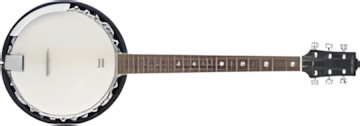
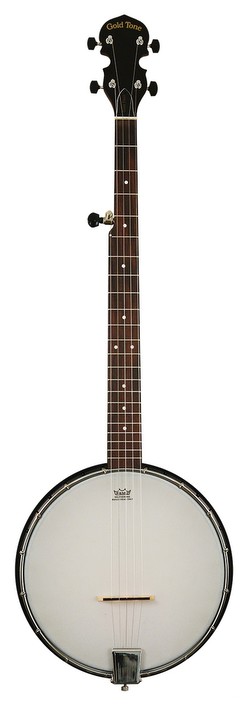
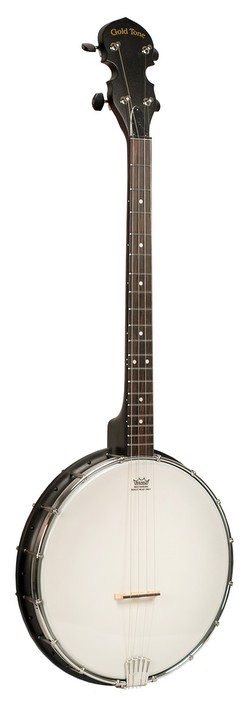
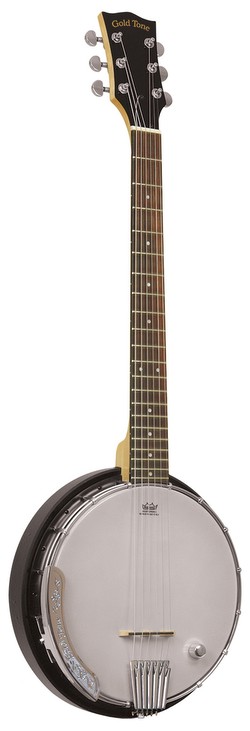
For thousands of years, string instruments have been an essential part of musical cultures. From the early versions of the harp in ancient Egypt to the violin in the European Baroque period, these instruments have shaped the history of music. The development of the banjo can be traced back to Africa, but it became popular in the USA, particularly in bluegrass music. Cellos, often referred to as the "heart" of the orchestra, are known for their deep and rich sound and originated in Italy in the 16th century.
What parts do string instruments consist of?
Despite their differences, many string instruments share some common components:
- Resonating body: Amplifies the vibrations of the strings and gives them colour and volume.
- Strings: Made from various materials such as gut, steel, or nylon.
- Neck: On many string instruments, notes can be played here.
- Bridge: Transmits the vibrations of the strings to the resonating body.
- Tuning mechanisms: Allow for the tuning of the instrument.
The most well-known string instruments and their models
- Violin: The Stradivari is considered one of the most sought-after models, made by Antonio Stradivari in the 17th and 18th centuries.
- Cello: The Montagnana cello from Venice is known for its warm tone.
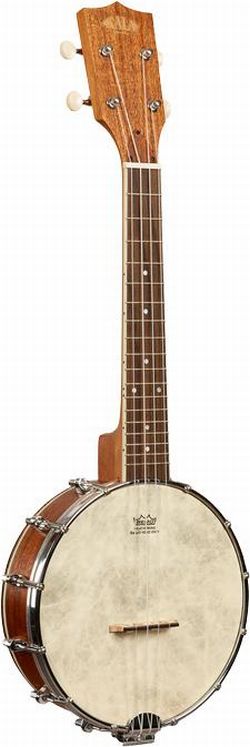
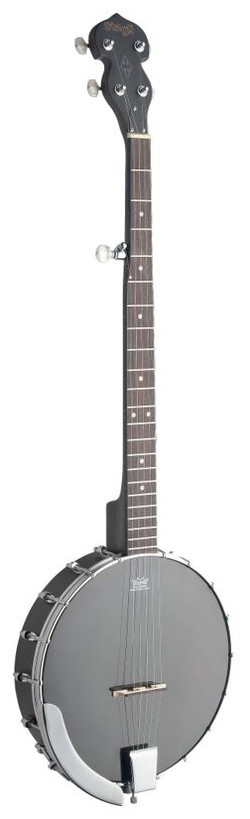
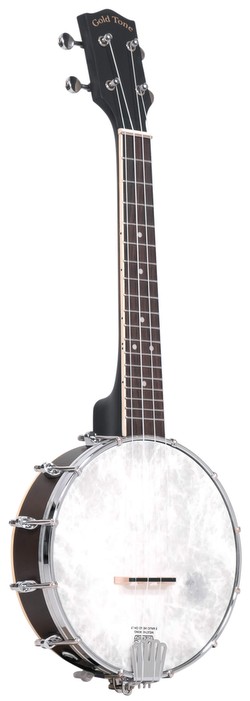
- Banjo: The Gibson Mastertone is a popular model for bluegrass musicians.
- Harp: The Lyon & Healy concert harp is renowned worldwide for its quality and tonal colour.
Accessories for string instruments
Depending on the specific instrument, different accessories are required. Violins and cellos need bows and rosin. Banjos can be played with finger picks. Harpists often require a tuning key to tune their instrument. For all instruments, a suitable case or bag for transport and protection is essential. If needed, special stands can be used for safe storage.