





Newly Added Products


Camping & Outdoor: Consumer tips
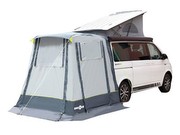
Good equipment can make the difference between a relaxing stay and an uncomfortable one, especially when British weather is unpredictable.
Camping furniture
Foldable camping chairs and tables make it much easier to create a comfortable base, whether you are on a family campsite, at a festival or pitched up for a few nights in the countryside. Lightweight materials such as aluminium and durable plastics help keep weight down while still offering enough stability for regular use.
If you spend a lot of time sitting around camp, it is worth looking for:
- supportive chair backs
- a comfortable seat height
- stable feet for uneven ground
- compact folded dimensions
- weather-resistant materials
A height-adjustable table can also be useful on uneven pitches, which is often more relevant in real campsite conditions than people expect.
Camping accessories
Camping accessories cover all the smaller items that make outdoor life easier and more organised. These include everyday practical essentials as well as a few extras that become very useful once you are actually on site.
Useful accessories include:
- camping cutlery and lightweight dish sets
- foldable water containers
- reusable cups and plates
- washing-up bowls and drying lines
- camping showers
- portable chemical toilets
- compact storage organisers
- multi-tools and pocket tools
For buyers who want a more self-sufficient setup, portable washing and toilet options can make a real difference, particularly on simpler pitches or longer off-grid stays.
Lighting for the campsite
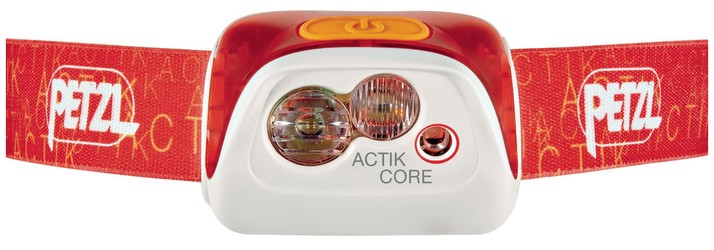
Good lighting is essential once daylight fades. A head torch is often more practical than a standard torch because it keeps both hands free, whether you are cooking, walking to the campsite facilities or sorting gear inside the tent.
A well-rounded lighting setup often includes:
- a head torch for hands-free tasks
- a lantern for the tent or table
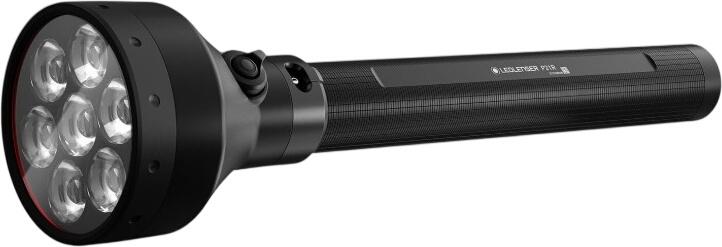
- a brighter camping light for shared spaces
- USB-rechargeable or solar charging options for convenience
Many camping lamps can be charged by USB, and some work well with a portable power station if you want a more flexible off-grid setup. That can be especially handy for longer stays, campervan touring or family camping where several devices need charging.
Sleeping bags: choose for season and temperature
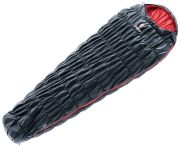
A sleeping bag can make or break a camping trip. The right one depends on when and where you camp, and conditions can change quickly even outside winter.
Broadly speaking:
- down sleeping bags are light and warm for their weight
- synthetic sleeping bags are better in damp conditions and easier to care for
- mummy-shaped bags offer better warmth efficiency
- rectangular bags feel roomier and more relaxed
For most campers, it is worth paying attention to season rating and not assuming a summer sleeping bag will be enough for cooler nights.
Sleeping mats and camp comfort
A good sleeping mat is about both comfort and insulation. Even in milder weather, the ground can feel surprisingly cold overnight. A mat helps separate you from that ground chill while also giving some cushioning.
Popular options include:
- foam mats for simple durability
- self-inflating mats for a balance of comfort and packability
- inflatable sleeping mats for better cushioning and smaller packed size
If comfort is a priority, an inflatable or self-inflating mat is often the better buy than the cheapest basic option.
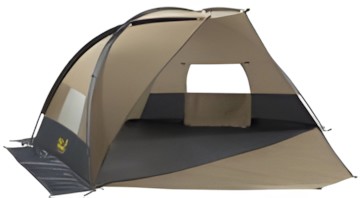
Tents: match the shelter to the trip
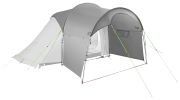
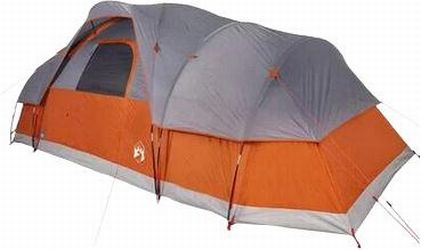
The right tent depends on who is travelling, how much gear you carry and the conditions you expect. There is no one-size-fits-all answer.
Common options include:
- dome tents for versatility and ease of pitching
- tunnel tents for strong space-to-weight value
- family tents with separate sleeping and living areas
- geodesic tents for stronger wind stability
- lightweight trekking tents for carrying over distance
For camping, it is sensible to think about rain performance, ventilation and how easy the tent is to pitch in less-than-perfect weather, not just how it looks in product photos.
Awnings, tarps and extra covered space
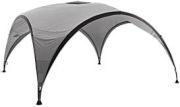
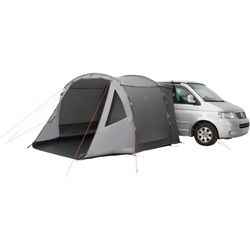
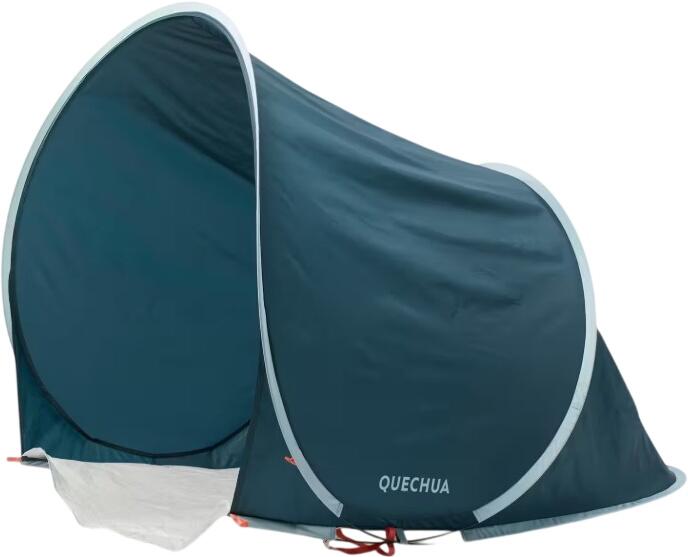
If you camp with a caravan or campervan, an awning can give you valuable extra room for sitting, changing, storing footwear or keeping kit dry. Even on a tent trip, a tarp or sun shelter can be very useful in changeable weather.
These extras are especially handy for:
- creating shade on hot days
- keeping gear dry in the rain
- adding a sheltered cooking or seating area
- making family camping feel less cramped
A lightweight tarp is often the quickest and most flexible option if you do not want a full awning setup.
Cool boxes and portable cooling
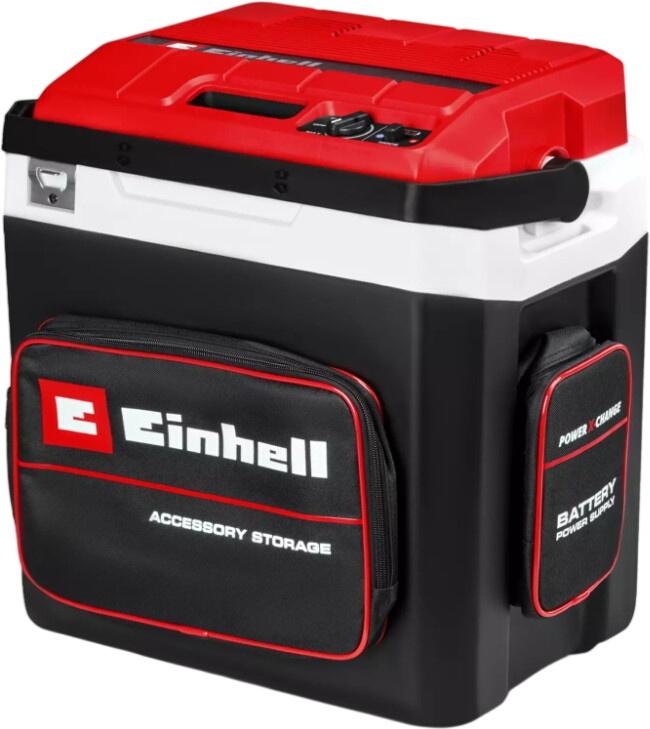
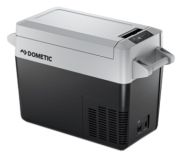
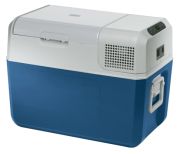
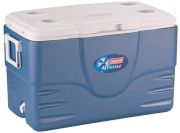
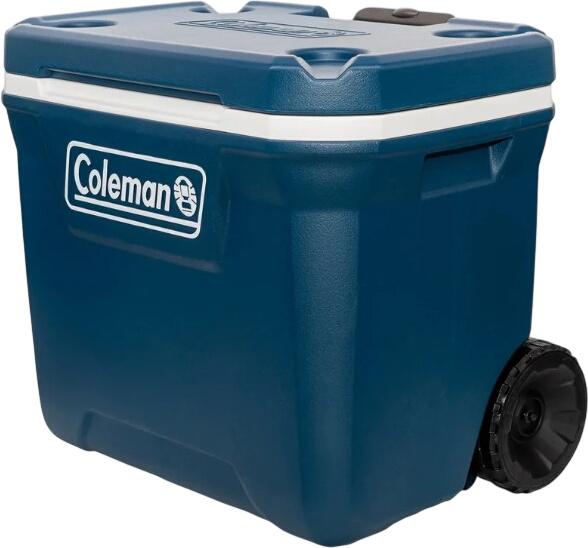
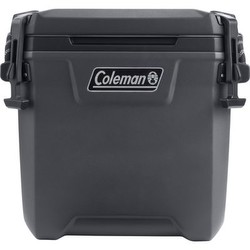
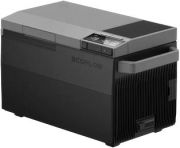
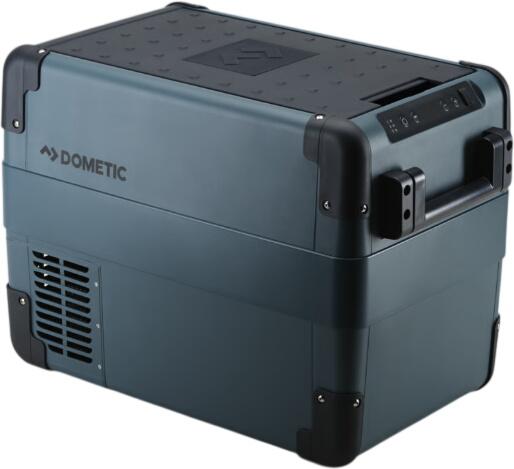
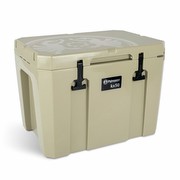
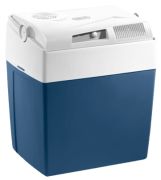
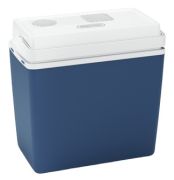
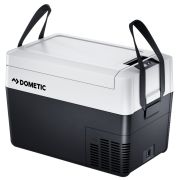
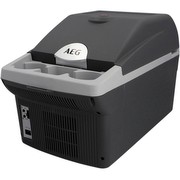
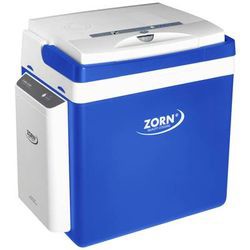
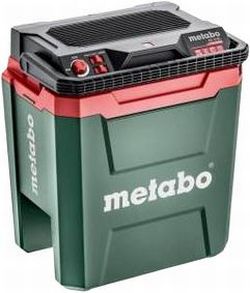
If you want to keep food fresh on the go, a cool box or portable cooler is one of the most useful pieces of camping kit you can buy. This matters even more if you are travelling with children, storing meat or dairy, or camping for more than a night or two.
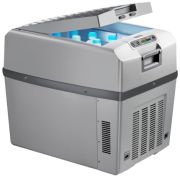
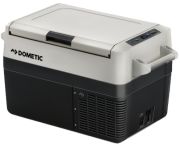
Modern portable coolers often support:
- 12V use in a car, van or campervan
- 230V mains use on a campsite
- better temperature control than older passive cool boxes
- in some cases, freezer-style performance
For regular campers, an electric cooler is often worth the investment over relying solely on ice packs.
Outdoor cooking
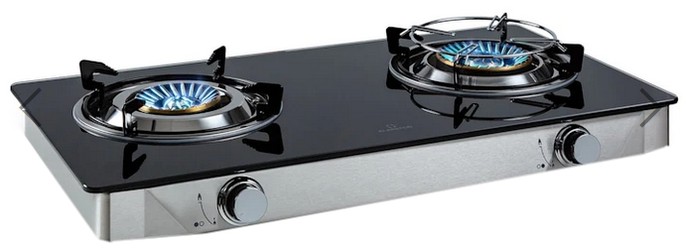
Cooking outdoors is a big part of the camping experience, and a well-planned camp kitchen makes life far easier. The best setup depends on how much space you have and whether you are camping lightly or bringing the car.
Useful cooking kit includes:
- a camping stove
- fuel suited to your stove type
- pans and compact cookware
- washing-up supplies
- reusable cutlery and utensils
- food storage containers
If you want easier clean-up, look for compact sink systems, folding washing-up bowls and biodegradable cleaning products designed for outdoor use.
Navigation and staying connected
Traditional compasses and paper maps still have a place, but many campers now rely on digital navigation for route planning and day trips. Rather than talking about “outdoor smartphones”, it is more natural to focus on rugged phones, water-resistant devices or handheld GPS units depending on how serious your trip is.
Useful navigation gear includes:
- a handheld GPS device
- a waterproof map case
- a compass as backup
- a phone mount or charging solution for vehicle travel
- offline maps downloaded in advance
If you are going somewhere remote, battery backup matters just as much as navigation itself.
Multi-tools and pocket tools
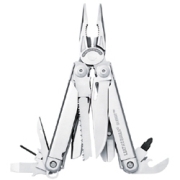
A good multi-tool is one of the handiest things you can pack. It can help with quick repairs, food prep, tightening fittings or general campsite jobs without taking up much space.
Depending on the model, useful built-in features may include:
- knife blade
- screwdriver
- pliers
- scissors
- saw
- bottle opener
- file
For most campers, neutral category-led advice is more useful than relying on one brand name. The main thing is to choose a tool that is compact, sturdy and genuinely practical for your trip.
Insect protection
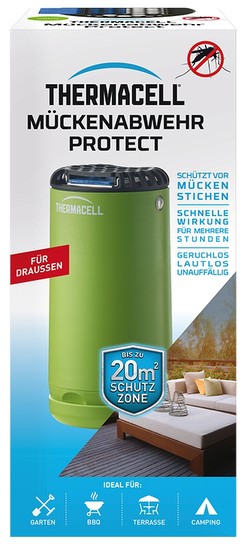
Insect control is easy to overlook until the first warm evening outside. Midges, mosquitoes and ticks can all become a nuisance depending on where and when you are camping.
Helpful options include:
- insect repellent from a chemist or outdoor retailer
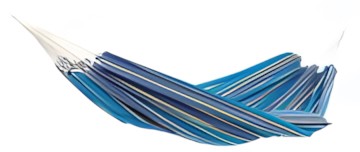
- mosquito nets for tents or hammocks
- long-sleeved clothing for evening protection
- insect-repellent clothing for higher-exposure trips
If you are camping in grassy or wooded areas, tick awareness is also worth keeping in mind, especially after walks.
What to prioritise when buying camping gear
Before buying, think about:
- how often you camp
- whether you travel by car, campervan or on foot
- how much storage space you have at home
- likely weather conditions
- whether you stay on full-service campsites or more basic pitches
A lighter, simpler setup may be ideal for short summer weekends, while family camping and shoulder-season trips usually need more comfort-focused kit.