












Tunnel Tents: Consumer tips
Why choose a tunnel tent?
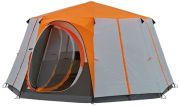
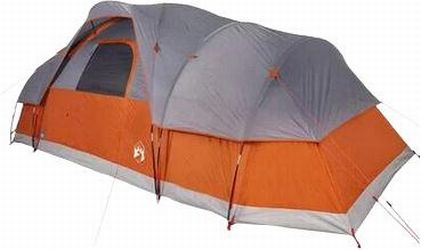
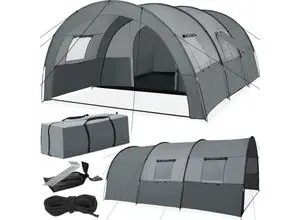
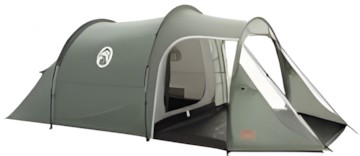
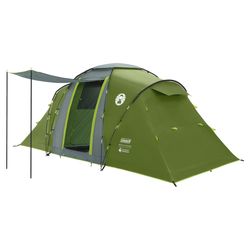
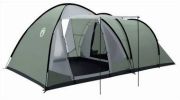
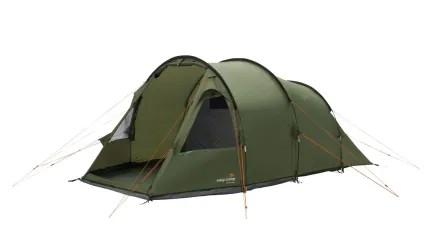
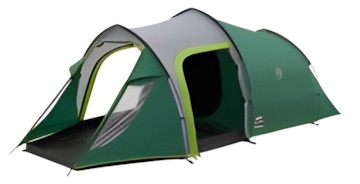
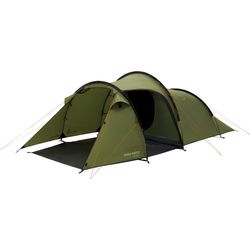
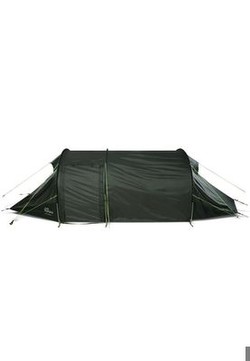
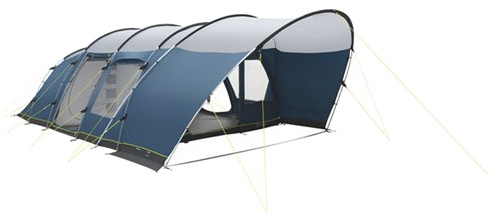
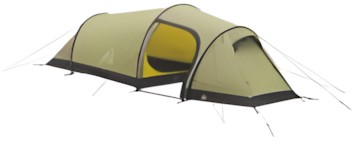
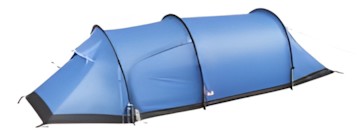
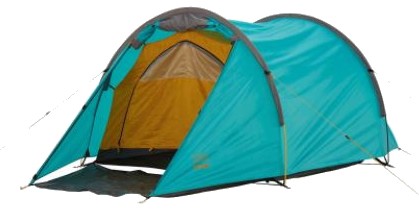
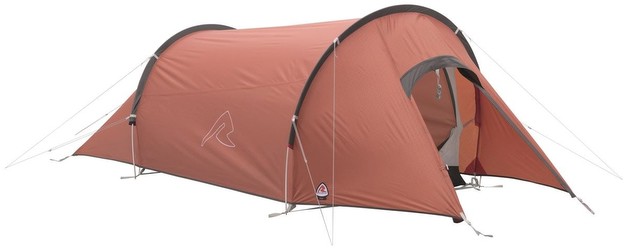
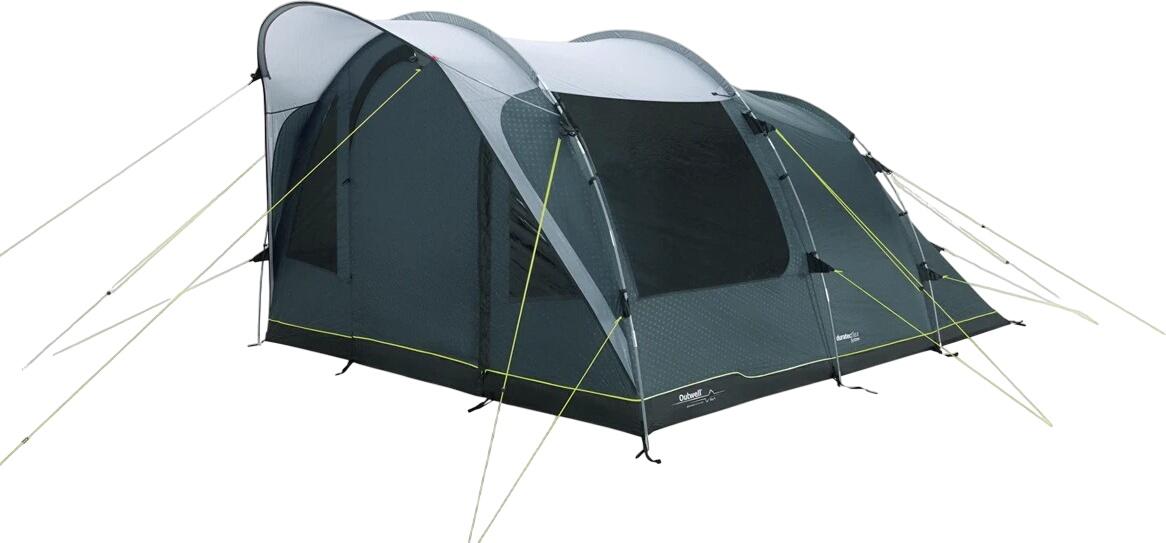
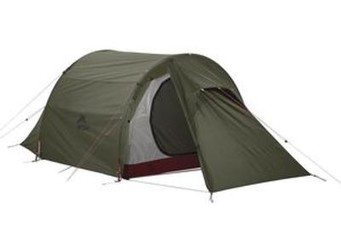
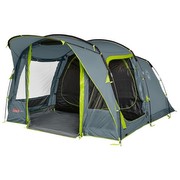
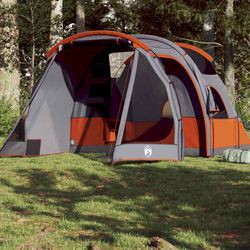
A tunnel tent uses a series of curved poles or air-supported beams to create a long, semi-cylindrical shape. This design gives it a strong space-to-weight ratio and makes the interior feel more open than many dome-style tents of a similar packed size.
The main advantages include:
- Generous internal space
- Good headroom through much of the tent
- Large sleeping and living zones
- Efficient use of floor area
- Strong suitability for family and group camping
They are especially useful if you want more comfort during longer stays or expect to spend time inside the tent during rain.
Size and number of people
Tunnel tents are available in a wide range of sizes, from compact solo models to larger family tents with multiple bedrooms and a central living area. As with most tents, the stated sleeping capacity should be treated as a maximum rather than a roomy layout. If you want space for bags, camping kit and more comfortable sleeping arrangements, going one size up is often the better choice.
Typical options include:
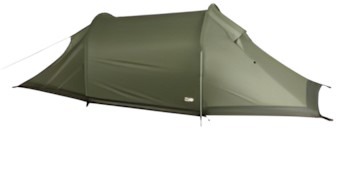
- 1-person tunnel tents for lightweight solo trips
- 2- to 3-person tents for couples or friends
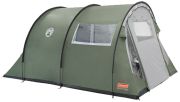
- Larger family tunnel tents for three to eight people
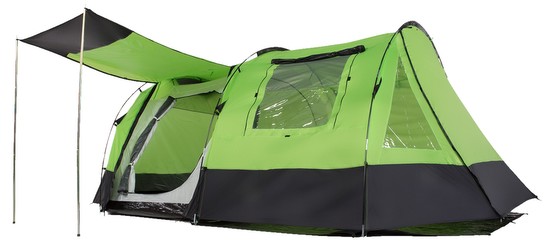
- Multi-room models with separate bedrooms and a living area
For family camping, the extra communal space can be especially valuable during poor weather.
Waterproofing: staying dry
Waterproofing is one of the most important tent features for buyers in the UK. When comparing tunnel tents, you will see a water column rating, more commonly referred to in the UK as hydrostatic head. This figure helps indicate how resistant the fabric is to water penetration.
As a general guide:
- Around 2,000mm hydrostatic head can be enough for fair-weather use
- 3,000mm to 4,000mm is often a more reassuring level for regular UK camping
- Higher figures may be used on more weather-focused or expedition-style tents
- Tent floors usually benefit from a much higher waterproof rating than the flysheet
Numbers matter, but they are not the whole story. The overall build quality is just as important. A good tunnel tent should also have:
- Taped or welded seams
- Well-designed storm flaps
- Reliable zips
- A robust groundsheet
- Good flysheet coverage
For camping, proper wet-weather performance is about the full design, not just one waterproofing number on the label.
Wind resistance and pitching stability
Tunnel tents can be very weather-capable, but they depend more on correct pitching than some other shapes. Their design can cope well with poor conditions when they are properly guyed out and positioned carefully, especially with the narrower end facing the wind.
Important factors for wind performance include:
- Quality of the pole system
- Number and placement of guy lines
- How well the tent can be tensioned
- The strength of pegs and anchoring points
- Pitch orientation in exposed conditions
For campsites, coastal trips and changeable weather, it is well worth choosing a model with good guying options and sturdy pegging points.
Poles and structural design
The pole system has a major impact on weight, setup and stability. Aluminium poles remain a trusted option because they provide a strong balance of low weight and durability. More advanced tents may use refined alloys, lightweight materials or hybrid structural designs, depending on whether the priority is family comfort, touring convenience or lower packed weight.
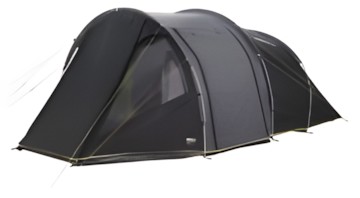
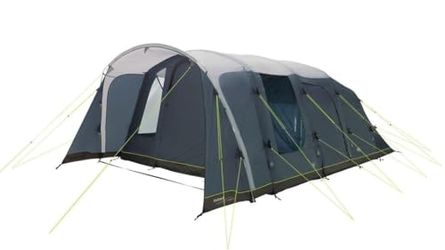
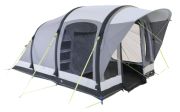
You may also see air-beam or inflatable designs, which are now an established option rather than a new trend. These replace rigid poles with air-filled beams and are especially popular in larger family tents because they can simplify setup and reduce some of the hassle of threading poles through sleeves.
Common options include:
- Aluminium poles for a strong balance of weight and durability
- Air-beam designs for easier family-camping setup
- Colour-coded or simplified pole systems for quicker pitching
- Quick-pitch designs where the flysheet and inner work together more efficiently
Entrances, vestibules and living space
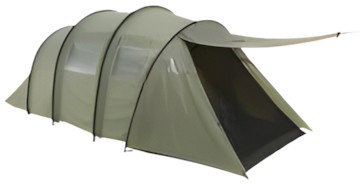
One of the biggest advantages of a tunnel tent is the extra living space. Even smaller tunnel tents often feel more usable inside than more compact-shaped alternatives. Larger family models may include a proper central living area, large side entrances and generous vestibules for storage or shelter.
Useful layout features include:
- Large front or side entrances
- Covered vestibules for boots, bags and wet kit
- Living space for poor-weather use
- Separate sleeping compartments
- Multiple access points on larger models
For UK family camping and festival use, vestibules can be especially useful for keeping muddy footwear, waterproofs and cooking gear out of the sleeping area.
What should you consider before buying?
The best tunnel tent depends on how you camp. If you mainly want weekend comfort on established campsites, space and easy pitching may matter most. If you need something for more exposed trips, structure, materials and guying become much more important.
Before buying, think about:
- How many people will actually sleep in the tent
- How much gear needs to fit inside
- Whether you want a proper living area
- Typical UK weather conditions you expect to face
- How important easy pitching is
- Packed size and transport weight
- Whether the tent is mainly for family holidays, touring or festival use
A strong option for comfort-focused camping
Tunnel tents are a very good choice if you want plenty of interior room, practical family-friendly layouts and solid weather protection for UK camping. They are particularly well suited to longer stays, mixed-weather trips and campsites where comfort and usable shelter matter as much as sleeping space.