















Sleeping bag: Consumer tips
Sleeping bag shapes
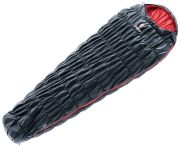
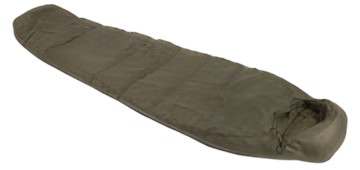
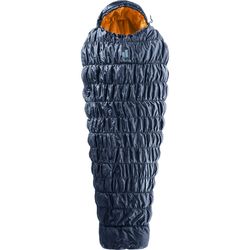
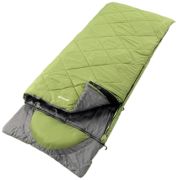
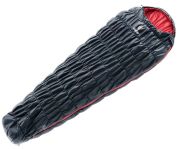
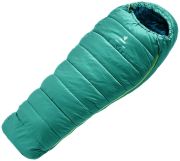
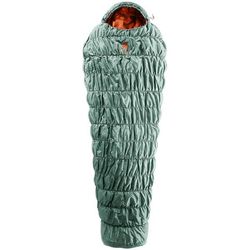
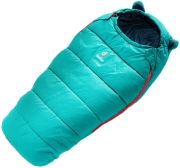
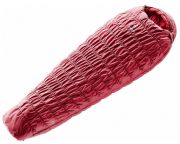
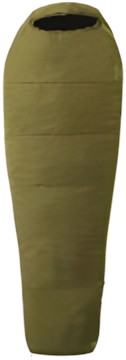
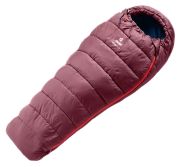
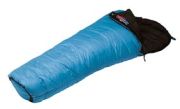
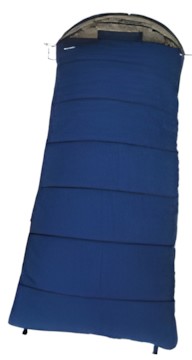
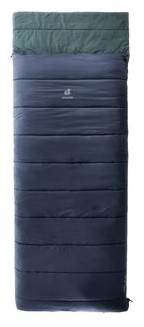
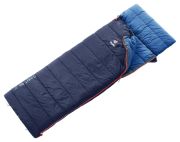
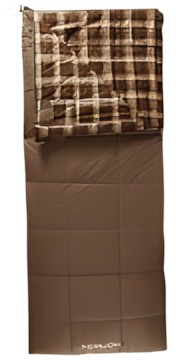
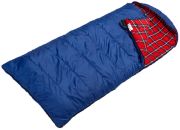
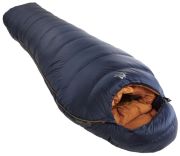
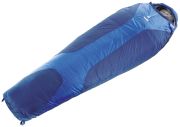
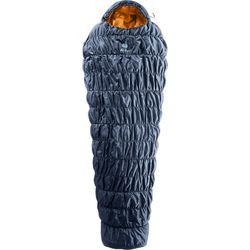
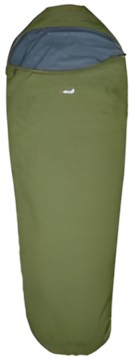
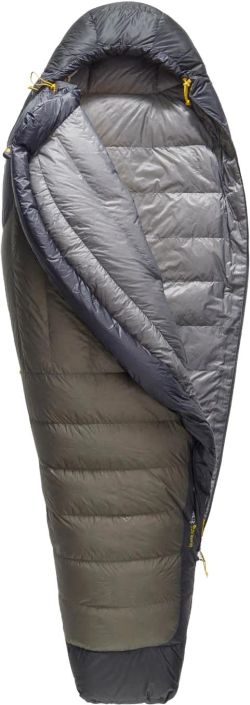
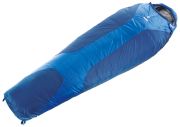
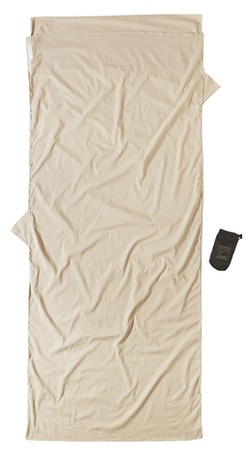
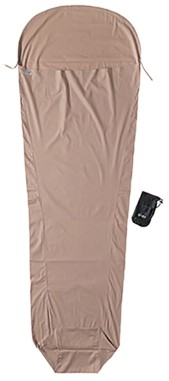
The shape of a sleeping bag affects its thermal performance and freedom of movement. Rectangular sleeping bags offer plenty of comfort and are ideal for campers who like to be cosy. They are particularly suitable for mild summer nights or use in huts. Most models can be fully opened and used as a blanket - perfect for spontaneous picnics, for example. Mummy sleeping bags are the first choice for outdoor enthusiasts and mountaineers. The body-hugging shape, tapering towards the foot, minimises the air space around the body and maximises thermal insulation. High-quality mummy sleeping bags feature an anatomically shaped foot area that guarantees warm feet even in cold temperatures. Many manufacturers have been offering gender-specific cuts for some time, taking into account the different body geometries of men and women. For couples or families, there are special double sleeping bags. They not only provide more space but also make optimal use of the body heat of both sleepers. Clever models can be converted into two single sleeping bags if needed. Flexibility that pays off, especially on longer trips.
Filling materials: The inner values count
To keep the sleeping bag warm, it needs a good filling. There are mainly two materials, each with its advantages and disadvantages. Down sleeping bags are the undisputed lightweight champions. Their outstanding warmth-to-weight ratio makes them the first choice for trekkers and climbers who want to keep an eye on every gram. Goose down with a fill power of 700 cuin or more provides reliable protection even in arctic temperatures. Separate chambers for down and feathers further optimise thermal performance. Down sleeping bags can also be compressed very small, saving valuable space in the backpack. However, down also has disadvantages: When wet, it clumps together and loses its insulating effect. This is where innovative technologies come into play: Hydrophobic treatments make down water-repellent, significantly expanding its range of use.
Synthetic fillings have made enormous progress in recent years. Modern hollow and microfibres are increasingly approaching down in terms of thermal performance and compressibility. Their great advantage: They retain their insulating properties even when wet and dry quickly. Additionally, they are easier to care for and somewhat cheaper than comparable down models. For allergy sufferers or ethically motivated buyers who want to avoid animal products, they are the first choice. Hybrid models combine down and synthetic fibres, cleverly utilising the best of both worlds: down in the upper area for optimal warmth, synthetic in the moisture-prone foot section.
Temperature ratings: How warm should it be?
The temperature ratings for sleeping bags are a mystery to many buyers. The European standard EN 13537 provides clarity with four defined values:
- Extreme temperature: The temperature at which a standardised woman can just survive for 6 hours without frostbite.
- Limit temperature: The temperature at which a standardised man can just sleep for 8 hours.
- Comfort temperature: The temperature at which a standardised woman can sleep comfortably for 8 hours.
- Maximum temperature: The temperature at which overheating and heavy sweating begin.
These temperature values provide a good orientation but should not be understood as absolute limits. Personal cold sensitivity, nutrition, fatigue, and the sleeping mat used significantly influence subjective warmth perception. For expeditions in extreme cold regions, there are expedition sleeping bags that keep you warm even at -40°C. These models often feature sophisticated constructions with multiple layers and special heat reflectors.
Sustainability and additional features
The topic of sustainability is also gaining importance in sleeping bags. Some manufacturers use recycled materials for outer fabrics and fillings. Down with certifications such as the Responsible Down Standard guarantees ethically sound sourcing. In synthetic fillings, fibres from recycled PET bottles are increasingly being used.
Modern sleeping bags are full of thoughtful details:
- Anatomically shaped hoods with multiple adjustment options minimise heat loss at the head.
- Thermal collars and insulated zip covers prevent cold bridges.
- Two-way zippers allow for partial openings for temperature regulation.
- Inner pockets keep valuables or a headlamp within reach.
- Outer pockets on expedition models provide space for hand warmers or batteries that need to be protected from the cold.
- Compression sacks reduce the pack size to a minimum.
Some manufacturers also offer modular systems: A thinner inner sleeping bag can be combined with a sturdier outer sleeping bag. This allows the temperature range to be flexibly adjusted to different conditions - ideal for globetrotters travelling through various climate zones.