













Camping furniture: Consumer tips

Whether you are planning a relaxing camping holiday, a spontaneous picnic in the park, or a cosy day at the beach, the right camping furniture can make the whole outdoor experience much more enjoyable. Camping furniture has developed significantly in recent years. Bulky folding chairs and simple tables have largely been replaced by a wide range of lightweight, functional, and more comfortable designs for different types of outdoor use. Current trends include lightweight materials such as aluminium, space-saving and multifunctional designs, and a growing focus on sustainability. Examples include chairs with integrated cooler compartments, tables with storage space, and products made partly from recycled materials or responsibly sourced wood components.
Types of camping furniture
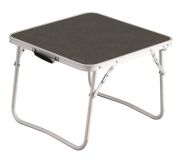
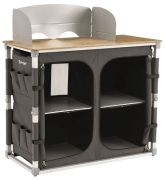
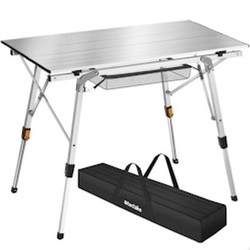
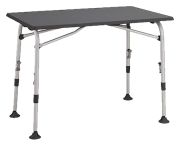
Camping tables are available in a wide range of designs. The most common models are folding tables with aluminium frames and tabletops made of aluminium, plastic, or wood-look materials. Sizes range from compact models of around 60 × 40 cm for two people to larger family tables measuring up to about 120 × 60 cm. Height-adjustable legs are especially practical, as they help keep the table stable on uneven ground. As a rough guide, camping tables usually weigh between 3 and 8 kg, with lighter models better suited to simple tent camping and heavier versions offering greater stability and comfort for longer stays.
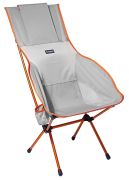
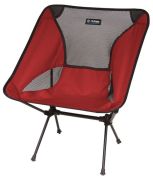
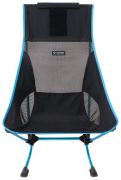
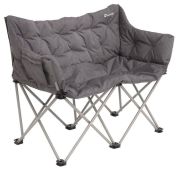
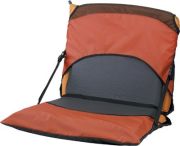
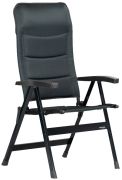
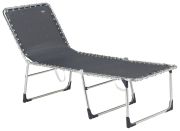
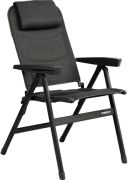
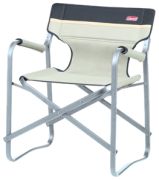
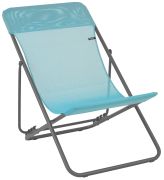
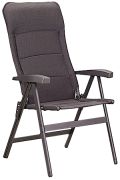
There is also a wide variety of camping chairs. Folding chairs are the classic option, with a simple folding mechanism and a compact packed size. They usually weigh between 2 and 4 kg and are well suited to shorter trips. Camping armchairs offer more comfort, with wider seats, armrests, and higher backrests. Many models also include cup holders or side pockets for drinks and small items. Recliners and sun loungers provide even more comfort and can often be adjusted to different positions. At around 4 to 8 kg, they are heavier, but they are also more comfortable. Stools and ultralight folding chairs weighing less than 1 kg are particularly useful for trekking tours and other situations where low weight and minimal pack size matter.
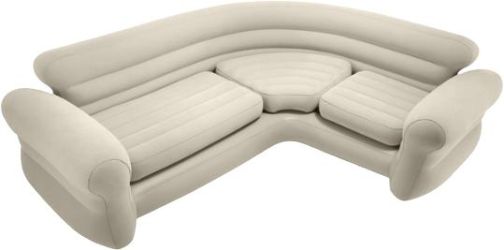
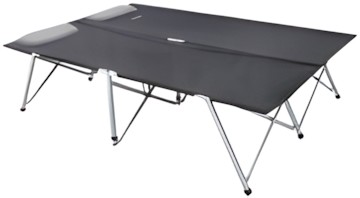
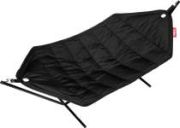
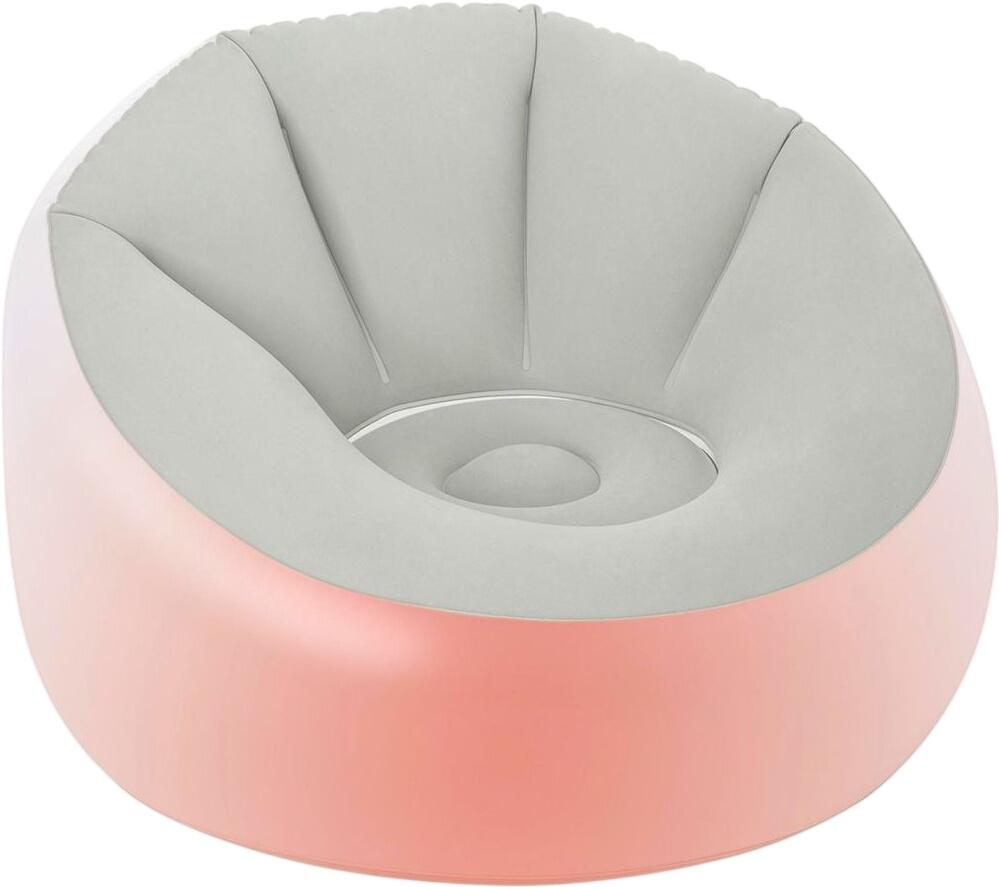
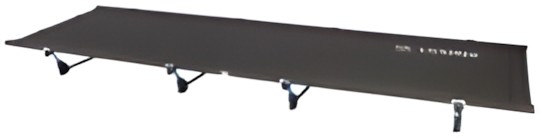
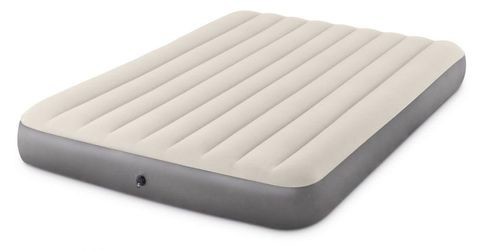
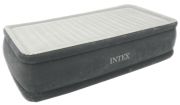
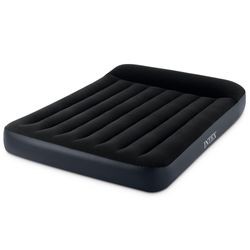
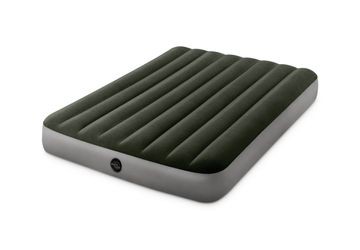
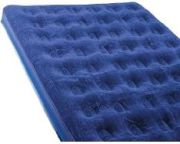
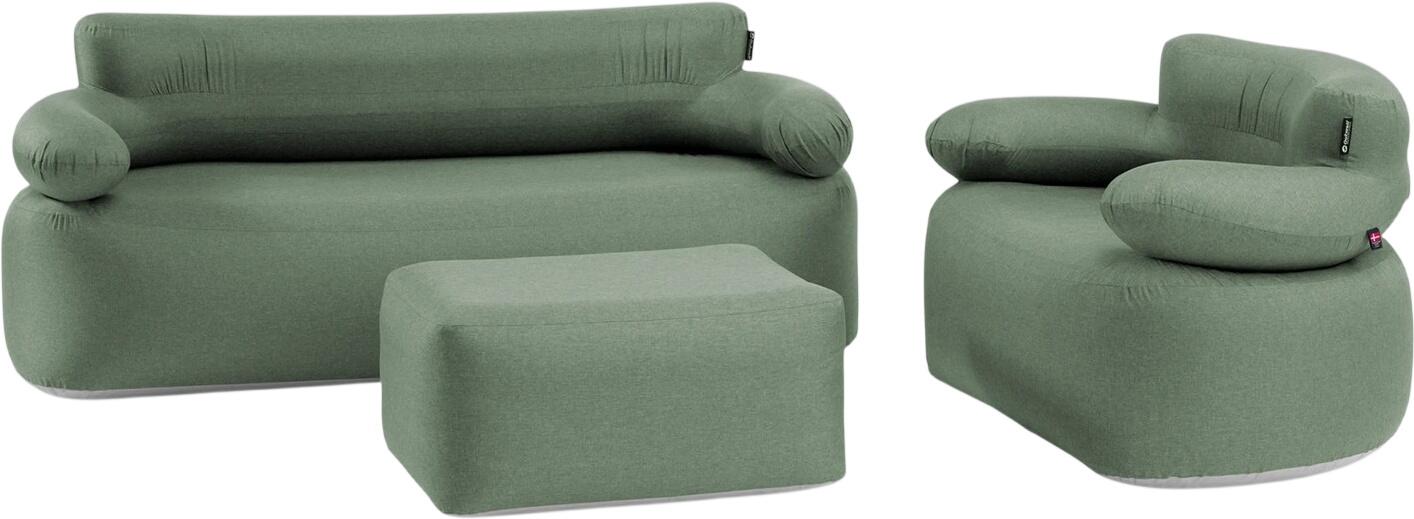
Camping beds and cots provide a more comfortable sleeping option, especially for longer stays. They keep you raised off the ground and offer a flatter sleeping surface. Most are made with lightweight frames, often aluminium, and durable fabric covers such as polyester. Air beds and inflatable loungers pack down small, but they usually require a pump. Folding camping loungers are especially suitable for car camping and offer extra comfort thanks to their padded sleeping surface.
Load capacity and stability
To ensure a long service life, the stated maximum load capacity should not be exceeded, and it is wise to allow for a small safety margin. High-quality camping chairs are often rated for around 100 to 150 kg. For lightweight models in particular, it is important to check the specified weight limit in advance, as these products may be designed for lower loads. Depending on their size and construction, camping tables should also offer sufficient load capacity, often in the range of around 30 to 50 kg.
If possible, it is worth checking how stable the furniture feels before buying, for example by testing it in person. Good camping furniture is also characterised by solid build quality, including even stitching on fabric sections, reinforced corners, and sturdy load-bearing points. Well-made products should not have sharp edges or protruding screws. UV-resistant materials that do not fade too quickly are also common in higher-quality camping furniture.
Foldability and pack size
Foldability and a compact pack size make camping furniture much easier to transport and store. Important features include sturdy hinges, durable connecting elements made from corrosion-resistant materials, reliable locking mechanisms to prevent accidental folding, and simple handling so that the furniture can be set up and packed away with minimal effort. Pack size should always be considered alongside comfort and stability. Ultralight camping furniture usually packs down the smallest, but it often offers less comfort and robustness than slightly larger and heavier models. The right balance depends on how the furniture will be used: for hiking or trekking, low weight is a top priority, whereas for car camping, comfort and stability are often more important than pack size. Many products also come with a carry bag, which makes transport easier.
Materials
- Aluminium is the most commonly used frame material for camping furniture. It combines low weight with good stability and is naturally resistant to corrosion. Higher-quality products often use anodised aluminium, which adds an extra protective layer against weather exposure. Depending on the design, many aluminium-framed camping chairs support loads of around 100 to 150 kg.
- Steel is mainly used in more robust camping furniture. To protect it from rust, steel frames are usually powder-coated or galvanised. They often provide greater stability and can support higher loads than aluminium, but they are also noticeably heavier and therefore less portable.
- Plastic is used more often in lower-priced models. It is generally weather-resistant, but it is usually less robust and less durable than metal. For that reason, plastic frames are often found in simpler products intended for occasional use.
- Polyester and Oxford fabric are common materials for the seating surfaces of camping chairs. These fabrics are typically water-repellent, quick-drying, and UV-resistant. Fabric strength is often described in denier (D). As a rough guide, higher denier fabrics tend to be more hard-wearing, although durability also depends on the weave and overall construction. More robust camping chairs often use fabric rated at 600D or above.
- Plastic panels are often used for tabletops. Their weather resistance and stability vary depending on the material and construction. Lightweight polypropylene panels are suitable for occasional use, while reinforced plastic tops are generally better suited to more frequent outdoor use.