













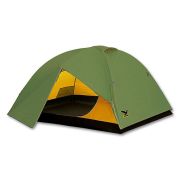
Dome tents: Consumer tips
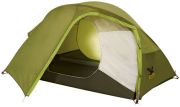
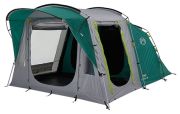
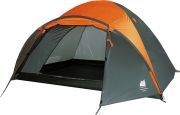
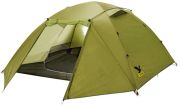
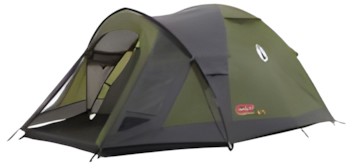
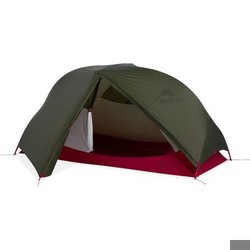
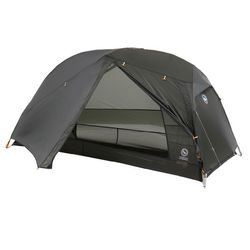
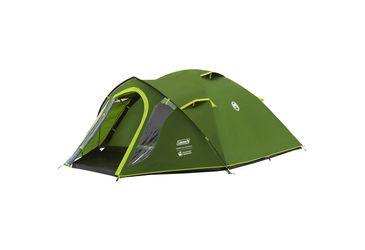
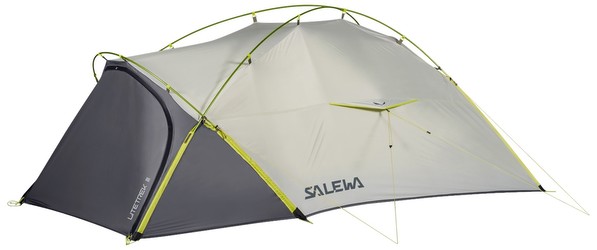
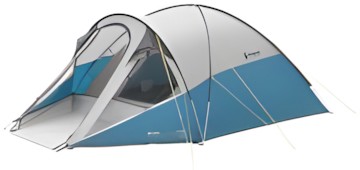
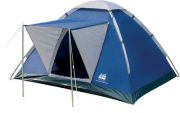
The geodesic shape offers many practical advantages: the tent can be set up with just a few simple steps and stands very stable for particularly demanding uses. Inner pockets can be attached to the tent walls. Ventilation openings with integrated mosquito nets further increase air circulation without annoying mosquitoes.
Size and Capacity
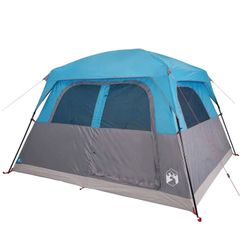
The size of the tent depends on the number of people who want to sleep in it, or the amount of equipment one is carrying. Do you want particularly spacious accommodation in the tent, or are you mindful of every gram and willing to compromise on comfort? It's important to know: the stated number of people refers to a rather tight occupancy in the tent. If you have to stay in the tent longer during bad weather, it can get cramped. Therefore, for more comfort, it's better to choose a larger tent.
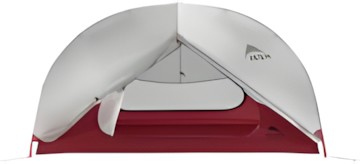
- 2-Person Dome Tents are suitable for couples or solo adventurers who want a bit more space. With a floor area of about 2.5 to 3.5 square metres, they have enough storage space for two sleeping mats and two trekking backpacks.
- 3-4 Person Dome Tents are ideal for small families or groups of friends and offer 4 to 6 square metres of sufficient space for cosy nights and storage of personal equipment.
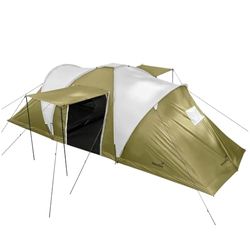
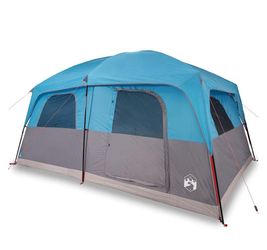
- 5+ Person Dome Tents are needed for larger groups or families that require a lot of space. With floor areas starting from 7 square metres, they offer separate sleeping cabins and a central living area.
Waterproofing - Defying the Rain
If you want to sit dry in your tent during rain, you should pay particular attention to the water column of the outer tent and tent floor. The water column is the value by which the tightness is measured. The tent floor should have at least 5000 mm water column, even better 10000 mm for optimal protection against moisture from below. The outer tent does not need to have such a high water column, but it should be at least 1500 mm. If you want to be on the safe side, or are travelling in very rainy areas, you should definitely choose 3000 mm or more. Additionally, dome tents feature welded or silicone-coated seams and water-repellent zippers for extra protection.
Tent Poles - Stability and Weight
The poles are the heart of the dome tent and are crucial for stability in wind and weather. Simple dome tents often have just one cross, while geodesic models with multiple crossings can withstand strong winds. Depending on the price segment, various materials are used in dome tents. Aluminium poles are lightweight and robust, ideal for demanding trekking tours. High-quality alloys like 7001-T6 aluminium offer an optimal weight-to-stability ratio. Fibreglass poles are more affordable and flexible but slightly heavier than aluminium. They are well-suited for occasional campers and festival-goers. Carbon fibre is extremely lightweight and torsionally rigid but also correspondingly expensive. This is only necessary for ultralight enthusiasts and extreme conditions.
Entrances and Apses
The number of entrances and apses (covered vestibules) varies depending on the tent, and one should consider before purchasing which configuration makes sense for them. A single entrance is typical for smaller dome tents. It saves weight but can make access difficult when two people share the tent. A double entrance offers more flexibility and improved ventilation. Each person has their own entry and exit, which proves particularly practical during longer stays. Apses provide storage space for equipment without crowding the sleeping area. In bad weather, they can also serve as a cooking area, provided one is careful and ensures adequate ventilation. Larger igloo tents for families even offer extended apses that can serve as full-fledged vestibules - ideal for longer camping stays or as a base camp.