





How to Find the Best Instant Camera: A Consumer Guide
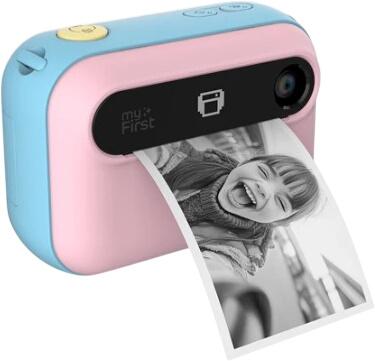
Instant cameras are back in trend. Most people still remember the Polaroid camera from the 90s, where you could hold the photo in your hand shortly after taking it. In addition to the newly released analog instant cameras, there are also digital models with displays and built-in photo printers. Modern features such as a self-timer, built-in flash, and selfie mode are, of course, a must. Alongside Polaroid, Fujifilm with its Instax instant cameras is one of the most popular on the market. Manufacturers offer models with different image formats, allowing not only the typical square photos but also an aspect ratio of 3:2. Here are some tips for buying an instant camera.
Instant Cameras from Polaroid
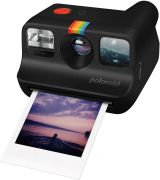
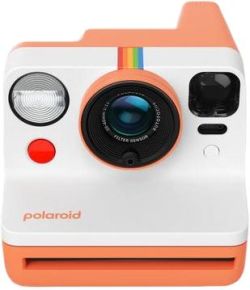
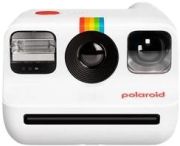
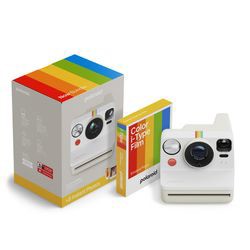
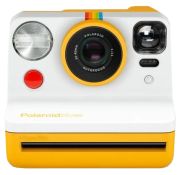
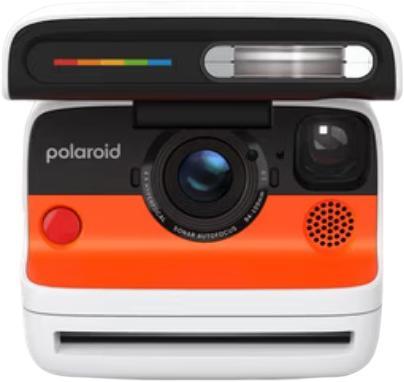
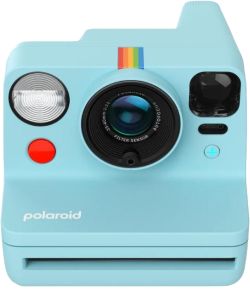
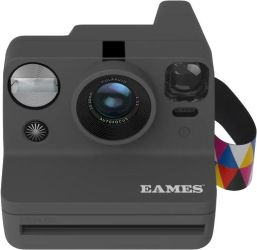
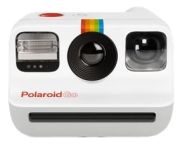
The inventor of the instant camera and founder of Polaroid developed it in the 1940s. Today, however, there are a variety of instant camera manufacturers, including Fujifilm, Canon, and of course Polaroid. Polaroid cameras embody the nostalgic charm that instant photography represents and are more popular than ever today. Right after pressing the shutter, the camera produces an analog photo that develops within moments. Polaroid was the flagship of instant technology until its production ended in 2008. Thanks to a Dutch entrepreneur, Polaroid instant cameras have been re-released and further developed. In addition to these classic models Polaroid 600 and SX-70, there are a number of modern analog instant cameras that are compatible with the latest i-Type film. The simple NOW model is a typical point-and-shoot camera that produces sharp instant images thanks to its autofocus. In contrast, the NOW+ Generation 2 features Bluetooth capabilities that allow manual control via smartphone. The particularly compact Polaroid Go produces a smaller image format and is ideal for on-the-go.
Instant Cameras from Fujifilm
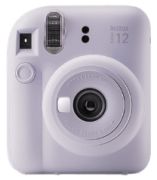
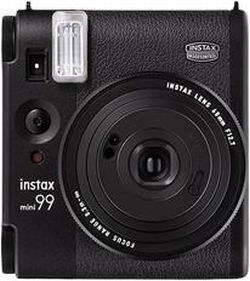
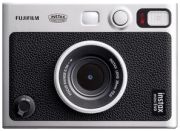
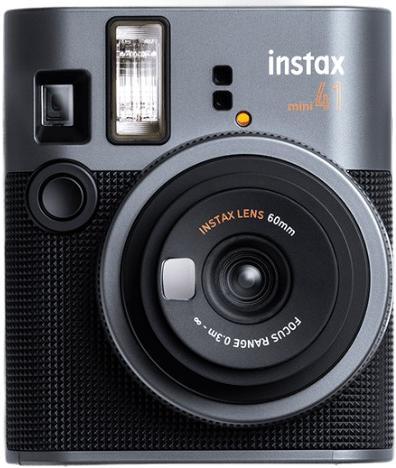
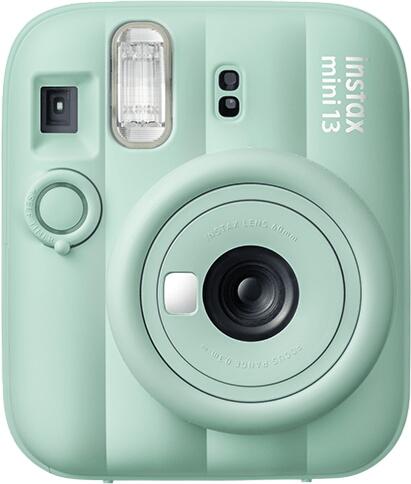
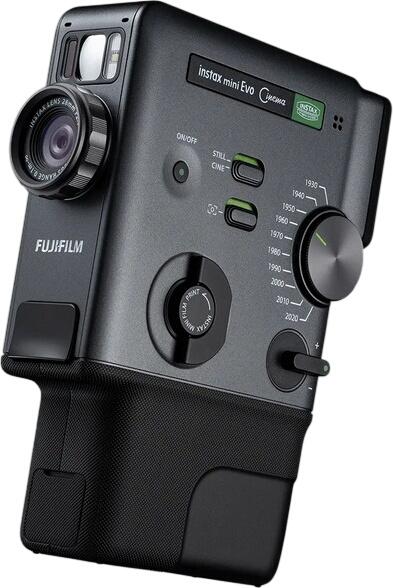
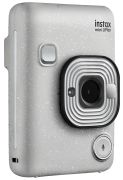
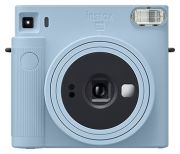
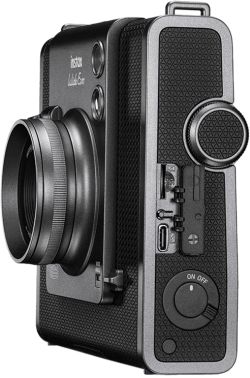
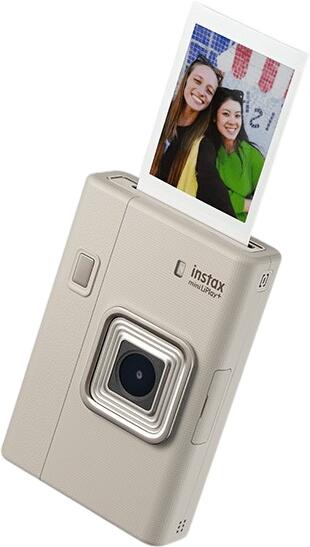
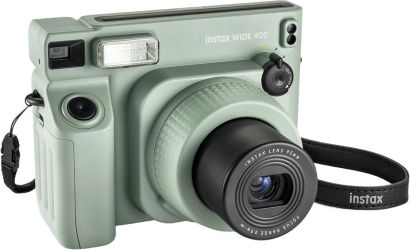
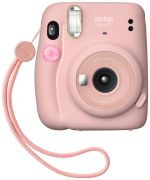
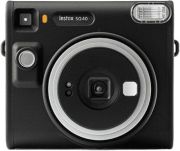
The Fujifilm Instax series is characterised by a variety of features tailored to the respective image format. The Instax models offer three image formats: Mini, Wide, and Square. The Instax Mini models, known for their compactness, are perfect for spontaneous snapshots. The Instax Mini 11, an affordable model, has proven to be particularly popular. It uses the small-format Instax Mini film and provides direct image output after each shot. Additionally, the camera features an integrated exposure automation that dynamically adjusts both the shutter speed and flash intensity to the surrounding conditions. A self-timer and an integrated mirror for selfies, which sets the optimal focus distance for selfie shots, are also included. The Instax mini 90 Neo Classic takes it a step further, combining a retro aesthetic with modern technologies. It allows photographers to create creative effects through double exposure or long exposures of the Instax Mini film. For fans of the classic square format, there are the Instax Square cameras. The minimalist Instax Square SQ1 forgoes additional features except for the exposure automation. The Fujifilm Instax Wide 300 is characterised by its ease of use and offers larger, landscape-format images compared to the Mini models. The Instax Mini films have a light sensitivity of ISO 800 and contain 10 images per pack. With the instax mini LiPlay, Fujifilm also offers a digital instant camera in its range.
Digital Instant Cameras from Canon and Kodak
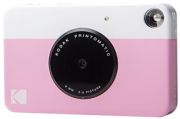
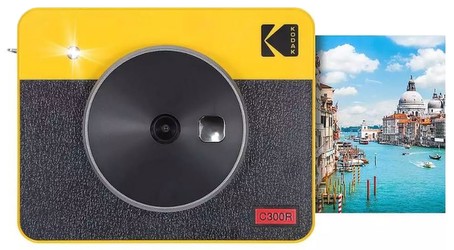
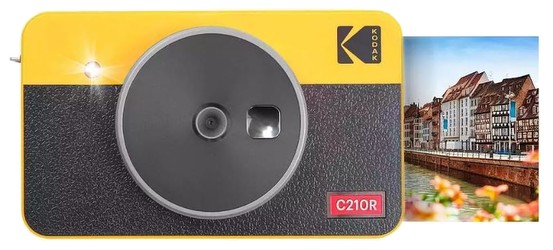
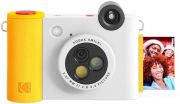
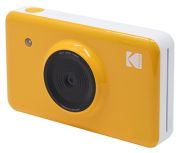
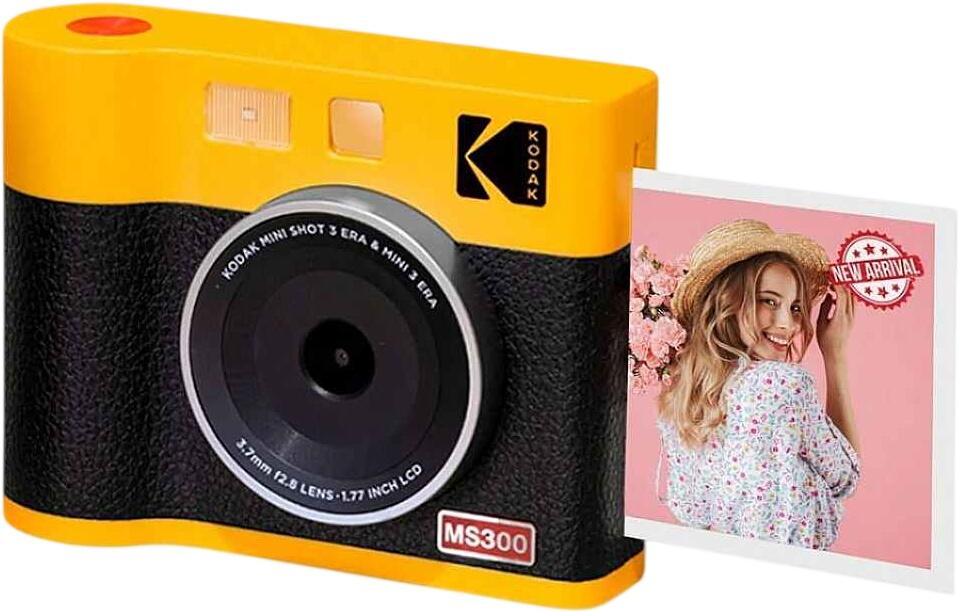
The Kodak Printomatic is a digital instant camera with a resolution of 10 megapixels that prints its images from the side of the camera. The camera uses Kodak Zero Ink photo paper. Each photo that comes out of the camera, measuring 2x3 inches, is waterproof, tear-resistant, and self-adhesive, making it ideal for immediate sharing or sticking on surfaces. The nearly fully automatic Printomatic is equipped with a built-in lithium-ion battery, a flash, a low battery and print status display, and a microSD card slot. Available in grey or yellow, it is a cost-effective option for beginners in the world of Polaroid cameras.
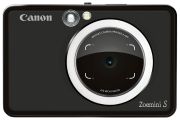
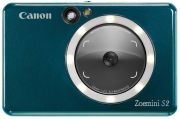
The Canon Zoemini S is another digital instant camera with an 8-megapixel resolution and built-in printer. The Zink photo paper requires no ink, as all colour pigments for printing are already contained in the paper itself. Additionally, the photo paper has a peel-off adhesive layer on the back, allowing it to be used as a photo sticker. The printing process of an image takes only 50 seconds. The selfie mirror and the ring flash, which are arranged around the lens, ensure great snapshots with optimal lighting for the photo. The camera uses a micro-SD card and is compatible with the Canon Mini Print App. The printed images measure 5 x 7.6 cm, and the aspect ratio is either 2:3 or 1:1. The Zoemini S2 is the popular successor model and offers additional features and shooting modes via app on the smartphone. The photos from the instant camera can be saved and printed at a later time.