





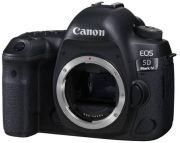
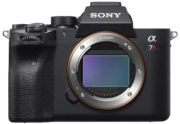
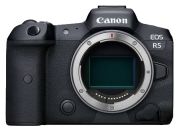
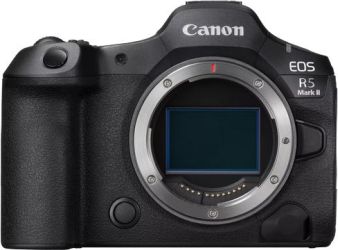
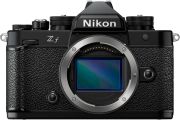
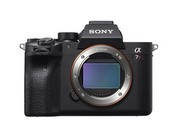
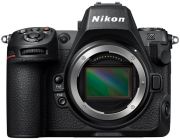
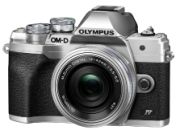
Newly Added Products



Digital cameras: Consumer tips
Anyone wanting to keep track here must keep an eye on the development of digital cameras. In addition, there are regular technical innovations that require a certain basic knowledge. We explain what to look for when buying a digital camera and what features a good camera should have.
DSLR, system or compact camera?
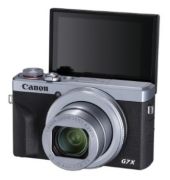
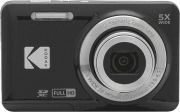
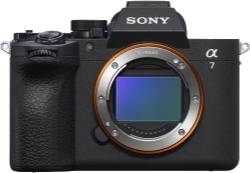
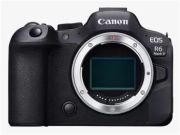
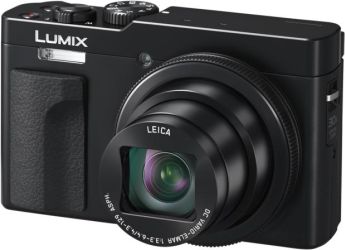
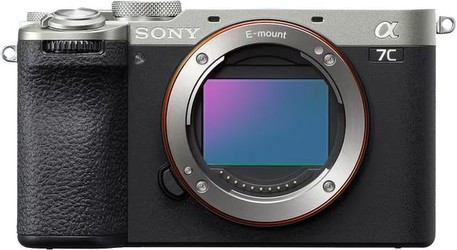
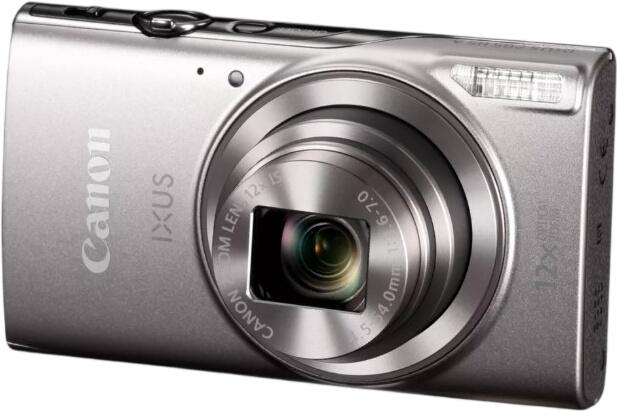
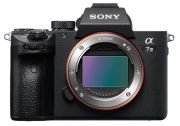
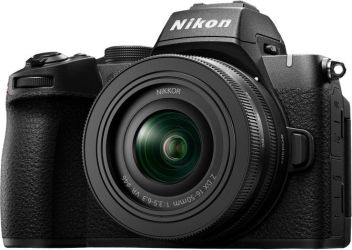
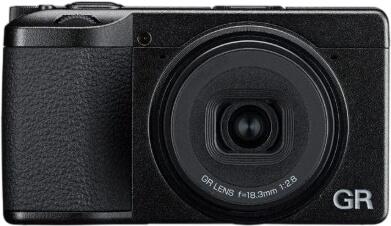
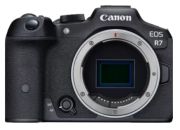
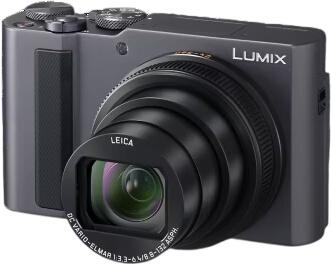
This is a very frequently asked question. First, anyone interested in buying must be aware of what they want to use their future digital camera for. If it is to accompany them on trips and be handy, then a compact camera is more suitable. If the photographer values better image quality with less noise and many adjustment options, they should consider a DSLR or mirrorless system camera. The image quality of compact cameras has significantly improved in recent years. This is important to consider when it comes to one's budget. While good compact cameras are already available from 250 to 300 pounds, DSLR devices usually cost from 400 to 3000 pounds. A system camera, on the other hand, is a digital camera that can be equipped with different lenses. Nowadays, mirrorless cameras are preferred over traditional DSLRs. They are particularly compact and offer excellent image quality. Good system cameras are already available from 500 pounds.
Megapixels
How many megapixels should a digital camera have? Nowadays, 16 to 50 megapixels is the standard. For general use, even 12 megapixels is sufficient. This corresponds roughly to the resolution we know from photos sized 34 x 25 centimetres. However, today almost exclusively digital work is done, and images are edited or altered on a computer. The higher the pixel count, the finer the retouching possible with Lightroom or Photoshop. At the same time, this also increases the size of the files, so fast memory cards are needed. It is clear that the number of megapixels alone is no longer a purchasing criterion today.
Digital and optical zoom
With zoom, we can photograph from a distance. Especially on holiday, when taking landscape shots or animal pictures, a good zoom function is essential. While the optical variant works like a telescope and physically zooms in on the subject by shifting the lens elements, the digital mode uses what is known as interpolation. In this process, a part of the image is cropped and enlarged, which, however, compromises quality. In most cases, photos are pixelated due to digital calculations. Therefore, it is advisable to ensure that a correspondingly high optical zoom is available. The digital method should be avoided whenever possible.
Focal length
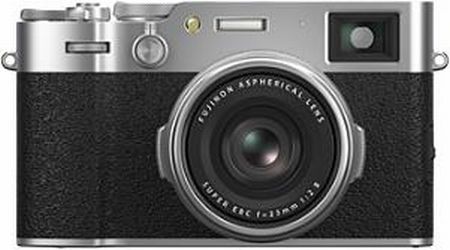
The focal length of a digital camera refers to the distance between the image sensor and the subject (focal point). The larger the value, the closer the image appears, as a narrower section is captured. The normal value is 50 mm, which roughly corresponds to the field of view of the human eye. Lenses with a shorter focal length are called wide-angle and those with more than 50 millimetres telephoto lenses. Good compact cameras typically achieve a focal length of 25 to 500 millimetres. Digital cameras like the Fuji X100 series rely on fixed focal lenths that correspond to 35 mm full-frame format. This focal length is particularly used in reportage and street photography.
Aperture (ISO)
The light sensitivity of a digital camera is specified in ISO. Common values range from 100 to 12,800. Photographers should ensure that the camera does not set everything automatically when purchasing a new camera. Higher ISO values can lead to noticeable image noise in some models, resulting in unsatisfactory outcomes. The higher the ISO value, the more sensitive the integrated image sensor becomes to light. Thus, a current digital camera achieves good results even in poor conditions starting from ISO 1600. A low value (ISO 100 to 200) should be used for bright subjects. Buyers should pay attention to manual ISO adjustment when purchasing a digital camera.