











Newly Added Products

Fridge: Consumer tips

Purchasing a fridge should be well thought out, as it is a long-term investment and prices can be quite high depending on the model. Potential buyers should consider how large the fridge should be for their needs and whether a combination of freezer and cooling compartment is advisable. We clarify what else to pay attention to.
How does a fridge work?
A fridge is an essential household appliance that serves to keep food and drinks cool, thereby extending their shelf life. This is achieved through an electrically powered cooling process that maintains the internal temperature of the fridge at a low, constant value to slow down the growth of bacteria and minimise food spoilage. The internal temperature of a fridge can usually be manually adjusted via a dial. This dial typically has a scale from 1 to 6, with a higher number indicating a colder temperature and higher energy consumption. It is recommended to keep the temperature in the fridge between five and seven degrees Celsius to ensure optimal freshness and shelf life of food without unnecessarily consuming too much energy. The fridge's casing is thermally insulated to minimise heat loss and ensure efficient cooling. This insulation also helps maintain a constant internal temperature regardless of external temperature fluctuations. In addition to the basic cooling function, many modern fridges come with additional features and conveniences, such as a freezer compartment, a frost protection system, automatic defrosting, adjustable shelves and door bins, interior lighting, and even a digital temperature display or control. It is important to clean and maintain the fridge regularly to ensure optimal performance and avoid unpleasant odours or mould growth. Furthermore, the fridge should be placed in a well-ventilated area and protected from direct sunlight and heat sources to prevent overheating of the motor and unnecessary energy consumption.
Cabinet, table, or bar model - Which fridge is right for me?
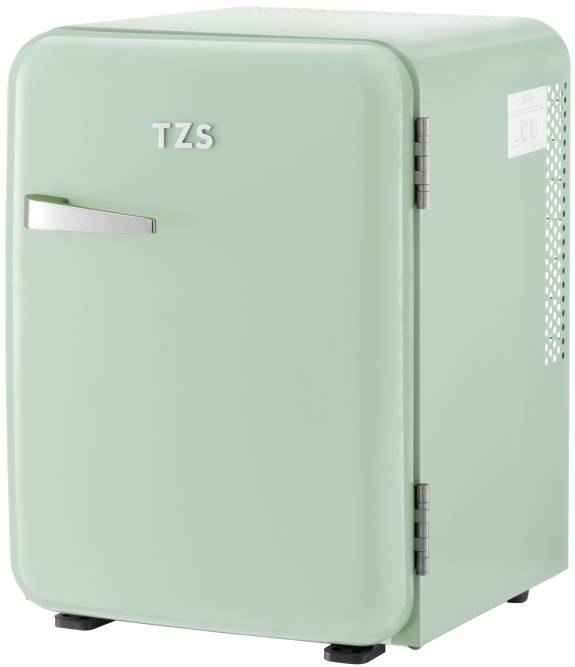
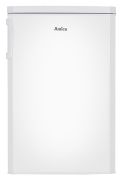
In general, there are freestanding fridges and built-in fridges. Freestanding fridges are flexible in their placement, as they can be set up independently of kitchen cabinets or units and are often larger. Built-in fridges, on the other hand, are designed to be installed in an existing kitchen unit or cabinet, allowing them to blend seamlessly into the kitchen design. The most commonly found cabinet model, often referred to as a stand-alone fridge, offers generous cooling and freezing capacity, making it suitable for a four-person household. The models are available in various sizes, with different layouts between the fridge and freezer. Some feature additional functions such as a no-frost technology that eliminates the need for defrosting, or a fresh zone where fruits and vegetables stay fresh longer. Table fridges are an excellent choice for smaller apartments or single households. With an average height of 85 centimetres, they fit well into kitchen units. They typically offer a capacity of 150 litres and weigh around 40 kilograms. Some models even offer extras like vegetable drawers or door shelves for better organisation and overview despite their compact size. The bar model is a compact and portable fridge model that is ideal for camping trips, party cellars, or small offices. Despite their small size, bar models are often surprisingly spacious and can keep a variety of drinks and snacks cool. Some even have a small freezer zone.
What are fridge-freezer combinations?
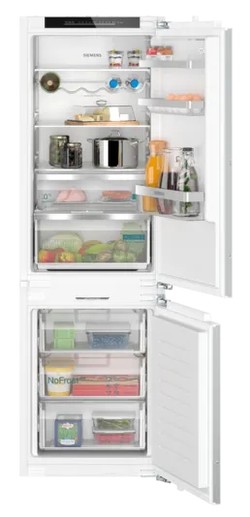
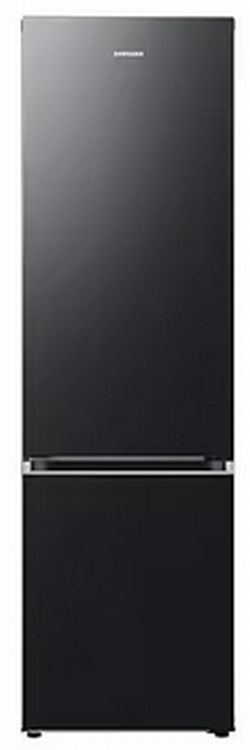
Fridge-freezer combinations offer a practical way to store food over a longer period. The freezing performance depends on the number of stars, with each additional star indicating a higher freezing capacity and lower temperature. The star rating is not only an indicator of the shelf life of frozen foods but also of the freezer's ability to freeze fresh foods. A 4-star freezer, which reaches temperatures of -18 degrees Celsius and below, is ideal for freezing fresh foods, as it allows for a rapid temperature drop that prevents the formation of large ice crystals, thus better preserving the texture and flavour of the food. Another important factor when choosing a fridge with freezer is the volume of the freezer compartment. This is usually indicated in litres and provides information on how much food can be stored in the freezer. Additionally, one should pay attention to the energy consumption of the device. Fridges and freezers are appliances that are constantly in operation, so an energy-efficient model can save significant energy costs in the long run.
What temperature zones are there in the fridge?
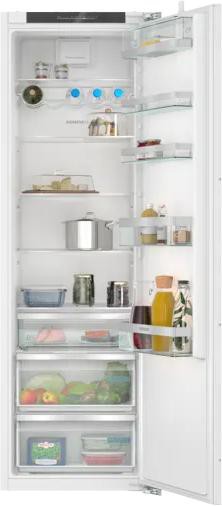
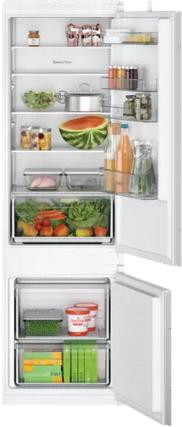
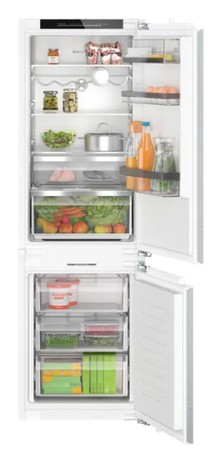
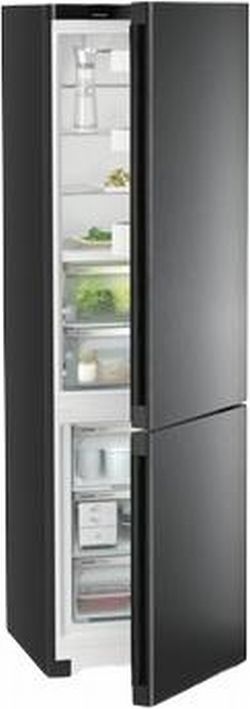
The internal structure is usually the same. At the very bottom are the drawers, where a temperature of about eight degrees prevails. This area is more humid than the others and is particularly suitable for foods like vegetables and fruits, as they stay fresh longer under these conditions. Above the drawers is a glass plate. Here, the temperature is lowest at two degrees. Consumers should therefore store perishable foods like meat, sausage, and fish here to ensure food safety. In the middle section of the fridge, where the temperature is about four degrees, dairy products can be stored. Cheese, yoghurt, and other dairy products keep well at this temperature, as it is cool enough to slow down bacterial growth but not so cold that it affects texture or flavour. In contrast, the highest temperatures are found in the top compartment, which is why already cooked or long-lasting foods should be stored there. Canned goods, sauces, jams, and other foods that have already been preserved or stabilised by cooking are ideal for this zone. There are additional shelves in the door of the fridge that are not quite as cold. Here, for example, drinks and eggs can be stored. However, one should note that the door is the warmest zone in the fridge and is subject to strong temperature fluctuations due to constant opening and closing. Sensitive foods should therefore be better stored inside the fridge.
What advantage does the NoFrost function have?
The NoFrost technology offers a range of benefits that go beyond merely avoiding manual defrosting. It works through a dynamic cooling system that removes moisture from the inside of the appliance. A fan plays a central role in this, distributing cool air evenly throughout the device. This airflow extracts moisture from the food, which is collected in an evaporator and expelled from the device. This controlled moisture regulation prevents ice formation on the interior walls and between the foods. Another important advantage of the NoFrost function is the optimisation of energy consumption. Since no ice forms that hinders the cooling process, the device operates more efficiently and consumes less energy. This can lead to significant energy savings and is therefore good for the environment and the wallet. With even temperature distribution and minimised moisture, food is optimally cooled and freezer burn is avoided. This is particularly important when storing sensitive foods like fruits and vegetables, meat, or fish.
What do Side-by-Side fridges offer?
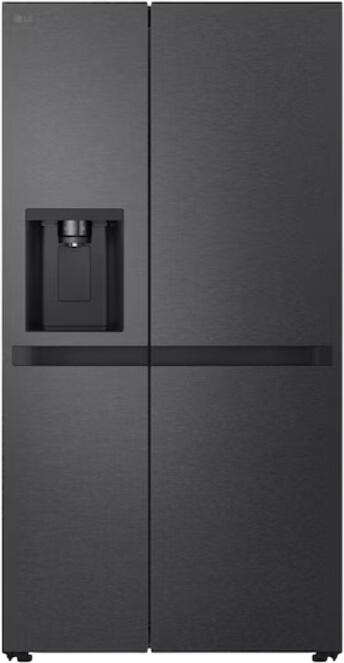
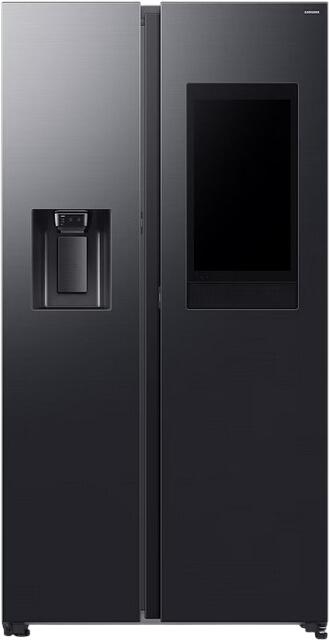
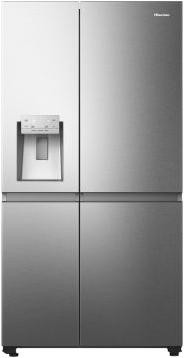
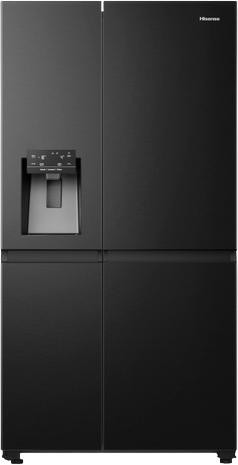
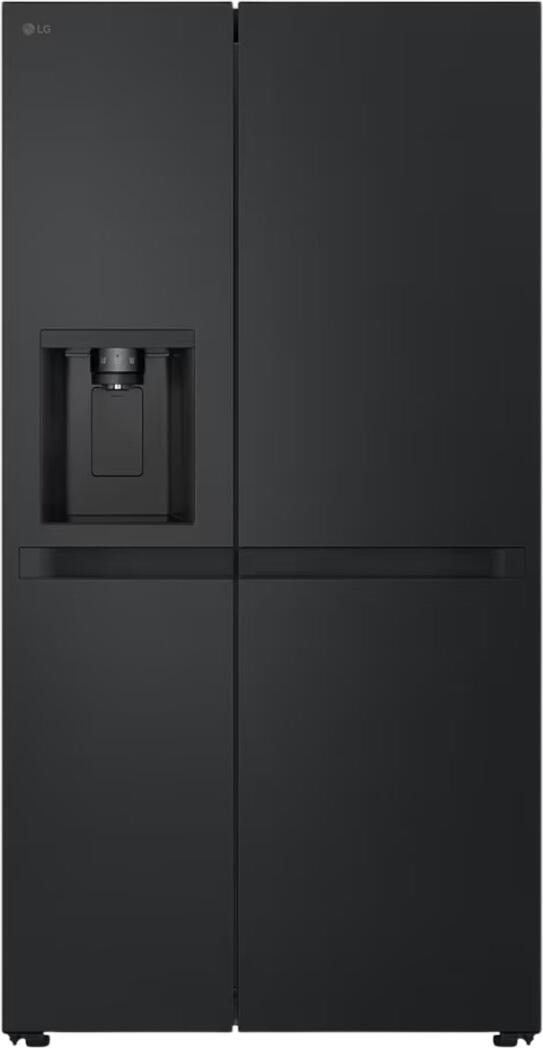
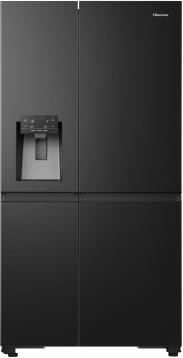
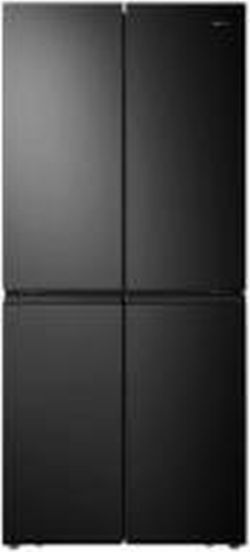
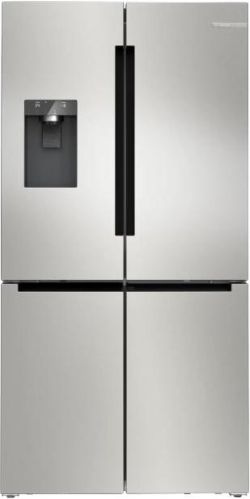
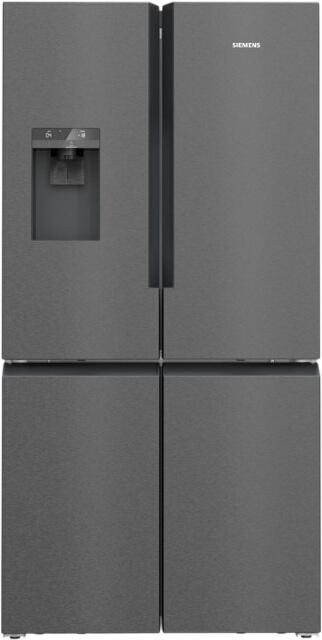
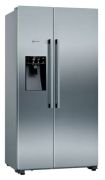
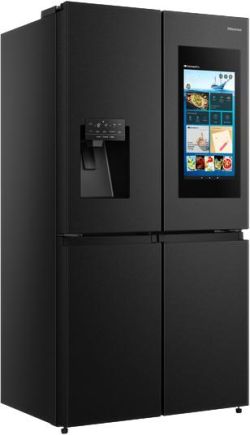
Side-by-Side fridges are very popular due to their size and functional design. They are wider than conventional fridges and therefore offer plenty of storage space for food and drinks. The vertical division into a cooling and a freezing area allows both areas to be accessed simultaneously, making it easier to organise and store food. Additional comfort is provided by high-quality models with a water dispenser and ice maker. A water dispenser delivers chilled water at the push of a button, while an ice maker keeps fresh ice cubes ready for drinks at all times. Some models even feature a display that shows useful information such as temperature, humidity, and other settings. Smart features are another significant advantage of Side-by-Side appliances. An integrated camera allows you to check the contents of the fridge from anywhere, which can be very helpful when shopping. Via Wi-Fi, the smartphone screen can be shared, and your favourite show can be displayed on the fridge screen while cooking. Despite the many advantages and features, it is important to remember that this type of fridge generally consumes more energy than conventional models. It should also be noted that Side-by-Side appliances require a sufficiently large space due to their size. Additionally, a water connection is necessary if features like water dispensers or ice makers are to be used.
What do the energy efficiency classes mean?
A fridge should keep food fresh for as long as possible while being energy-efficient. Therefore, energy efficiency plays an important role. The new energy efficiency classes range from A to G as of March 2021, with the first class A (most efficient) being particularly economical. The colour scale from green to red remains in place. Currently, there are only a few devices that meet the efficiency class A. For manufacturers, this is an incentive for further technical innovations. Energy-efficient cooling devices are generally more expensive, but they pay off in the long run through lower follow-up costs. Since energy consumption mainly depends on the size of the device, the capacity should be user-oriented. For one person, 100 to 150 litres of usable volume is usually sufficient. For two people, up to 200 litres are needed, and for three people, up to 250 litres. For a four-person household, 300 litres are recommended again. A medium-sized fridge with a freezer compartment of the currently best efficiency class consumes about 100 to 120 kilowatt-hours per year.