












Fridges: Consumer tips

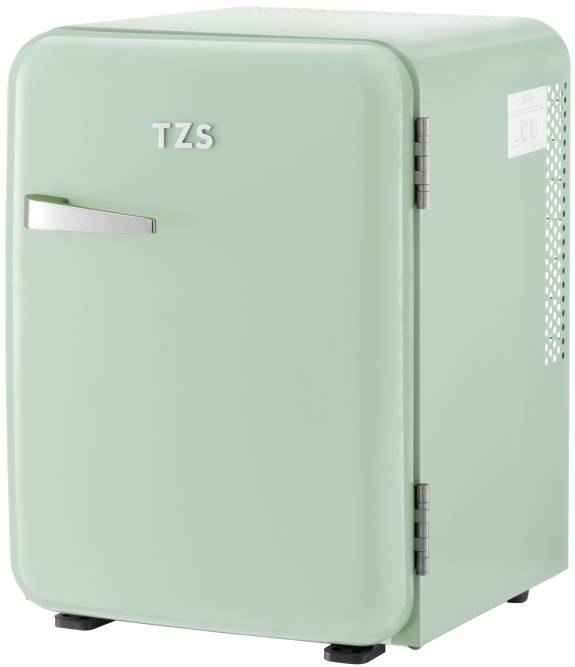
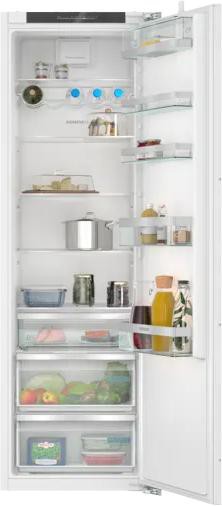
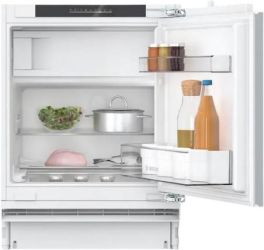
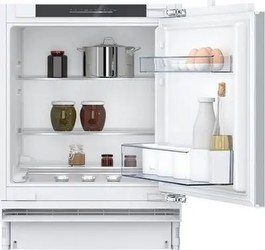
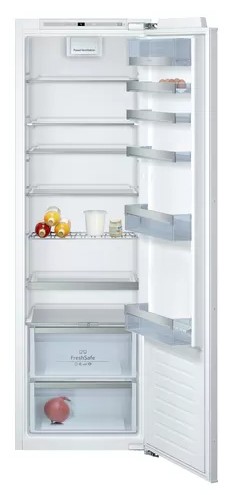
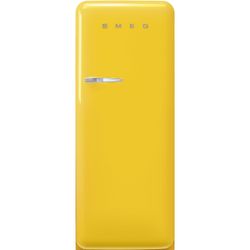
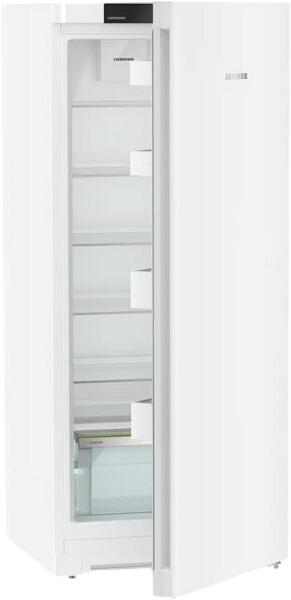
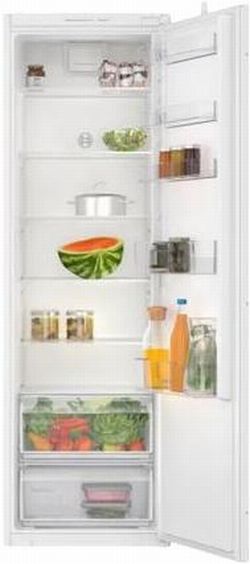
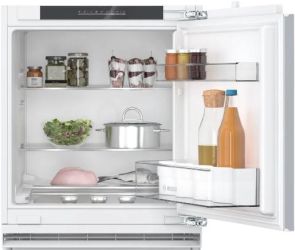
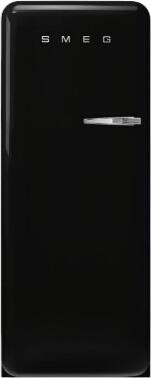
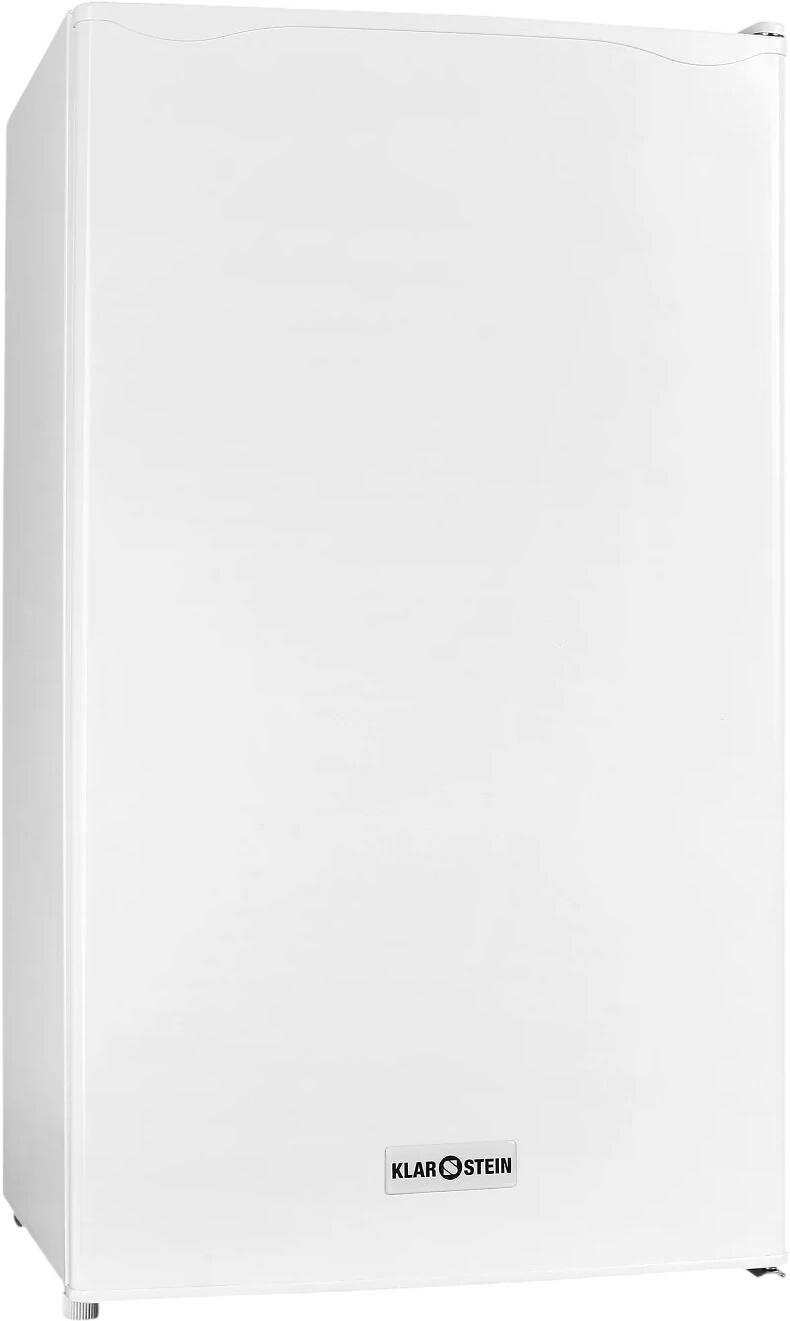
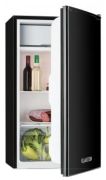
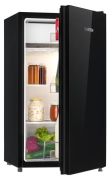
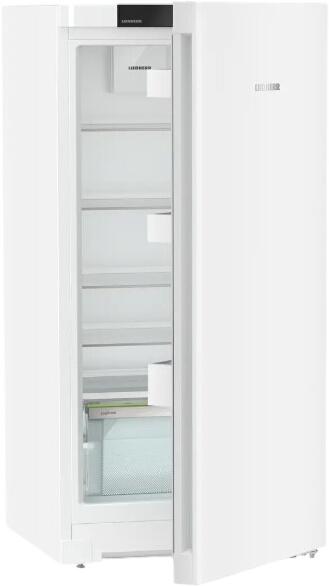
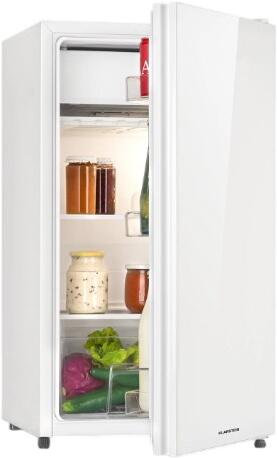
The freezer compartment usually has a capacity of up to 20 litres. In these standard models, there are fully clad freestanding units that can be placed freely without further assembly, measuring between 50 and 66 cm wide and up to 85 cm high. By removing the top panel, they can also be integrated as built-in units in a fitted kitchen. Special under-counter units do not have a complete outer cladding, are up to 82 cm high, and can be precisely placed under the worktop in the kitchen.
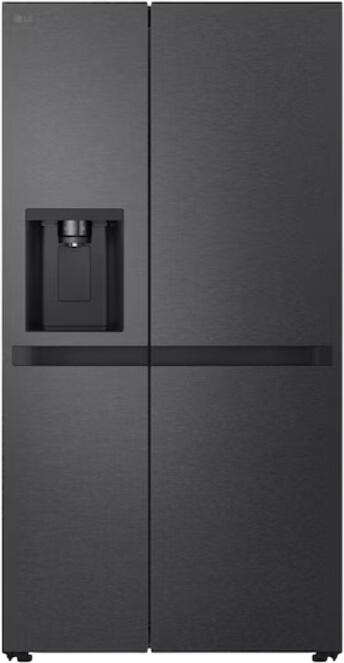
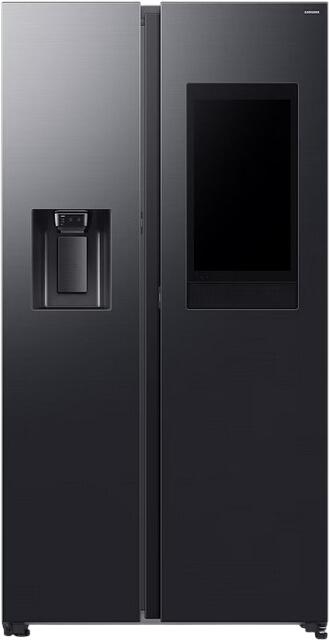
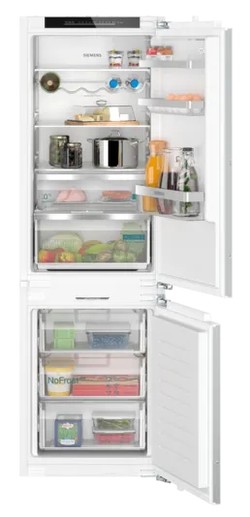
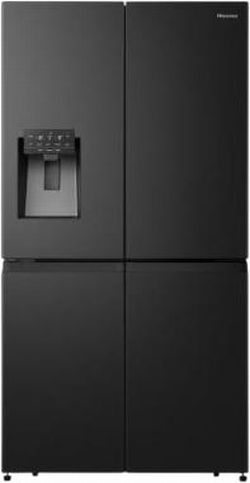
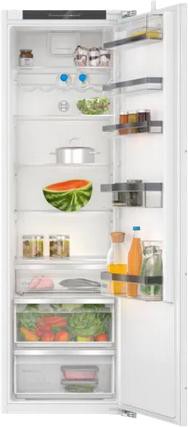
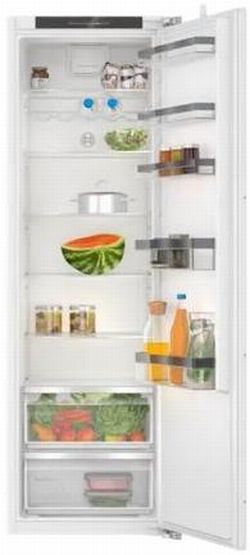
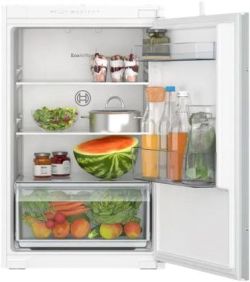
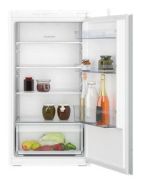
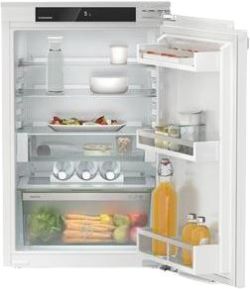
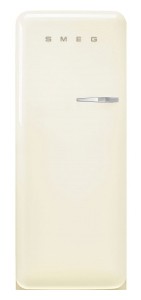
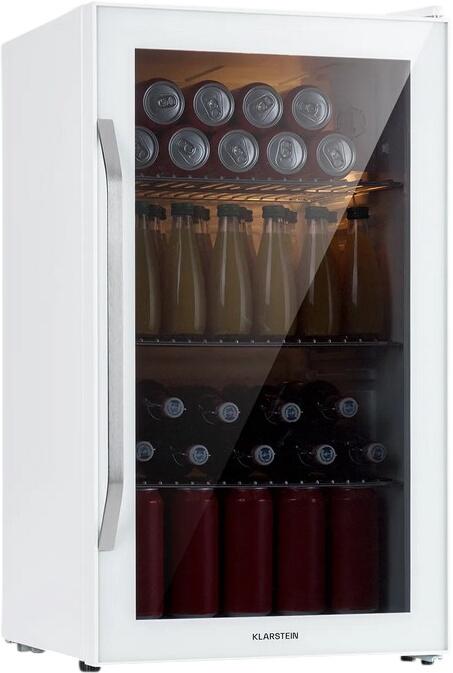
Built-in units, on the other hand, are completely installed in a cabinet and are no wider than 60 cm and a maximum of 57 cm high. Due to the reduced width, the insulation is thinner and the power consumption is higher. A variation of the typical freestanding unit is table-top fridges, where the top can be used as a work surface. They are 85 cm high, fit harmoniously into the kitchen line, and have a capacity of about 100 to 140 litres. American fridges or so-called side-by-side combinations offer significantly more space (cooling section about 350 litres, freezer section about 150 litres). Here, two 60 cm wide units are connected with a linking kit to form a large unit. Usually, a freezer is hidden behind one of the two doors. Furthermore, they offer many additional functions such as an ice maker, a crushed ice maker, and a water dispenser. Typically, the additional functions are housed in one or both door fronts.
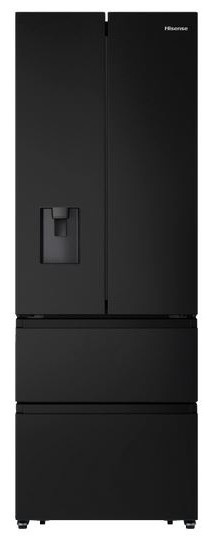
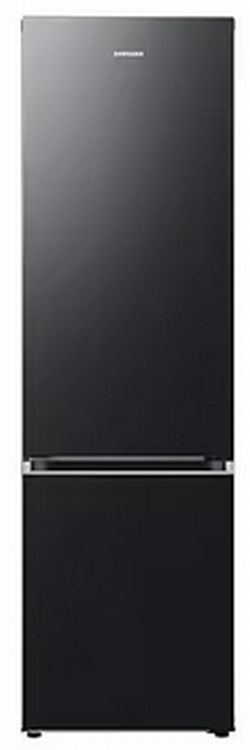
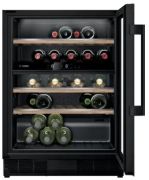
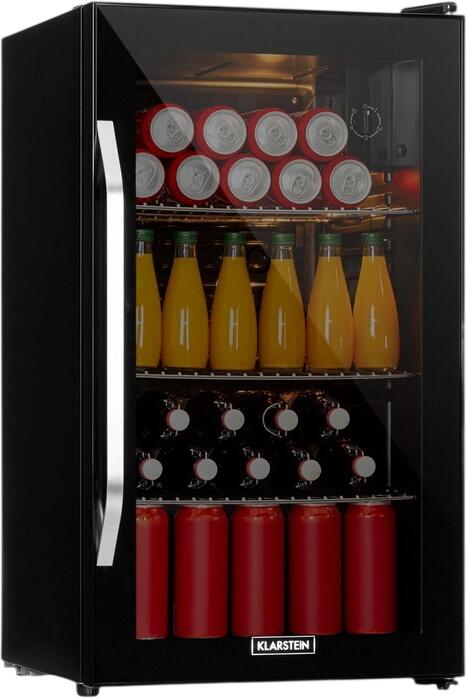
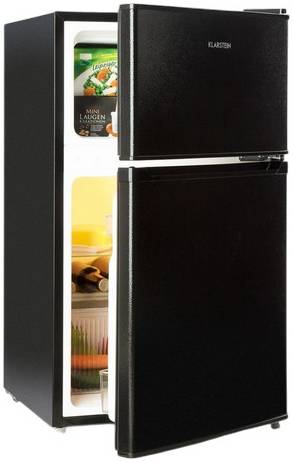
Fridge/freezer combinations have separate doors for an upper cooling compartment and a lower freezer compartment. Such models have a capacity of about 250 litres and weigh around 65 kg. Wine coolers bring wines slowly and evenly to the ideal drinking temperature. They have different temperature zones, allowing red wines, white wines, and even champagne to be stored simultaneously. Several temperature zones can also be found in some of the standard fridges described above. In these devices, there is a freezer compartment (-18 degrees) and a normal cooling zone (2 to 9 degrees), along with a special climate area that is around 0 degrees Celsius and offers a relative humidity of about 50 percent (ideal for meat, sausage, milk, and dairy products) or about 90 percent (moist for local fruits and vegetables). This manually adjustable humidity control keeps food fresh longer and preserves vitamins.
What should be considered regarding climate and energy efficiency class?
The climate class shows the ambient temperature range in which a fridge is designed to operate properly. If the surrounding temperature is too high or too low, cooling performance can be affected. For normal indoor use in the UK, a fridge with a suitable climate class for typical room temperatures is usually the right choice, while cooler locations such as garages or outbuildings may require a model specifically rated for lower ambient temperatures. The energy label provides information about electricity consumption and efficiency. In the UK, fridges are sold with the current energy label scale, so annual energy use is shown in kilowatt-hours (kWh), making models easier to compare. Rather than relying on older ratings such as A+ or A++, it is better to check the current label and the stated annual kWh consumption when choosing a new appliance.
What should you consider when buying?
Match the usable capacity to the number of people in the household. Your fridge should provide 100 - 120 litres of usable capacity, and for multi-person households, you can calculate with 60 litres per person. If you like to stock up on supplies, you need 100 to 130 litres of usable capacity per person. The integrated freezer compartment of a standard fridge should have at least three stars so that food can be stored for longer than a few weeks. However, if you do not want to freeze anything or already have a separate freezer, you can forgo the built-in freezer compartment in the fridge - this saves electricity, space, and money!
In fridge-freezer combinations, the freezer section is often designed for long-term frozen storage, but the exact star rating and features should always be checked on the individual model. It is practical if the fridge and freezer sections can be controlled separately, as this allows temperatures to be adjusted more precisely. Useful convenience features include temperature warnings, door alarms and automatic defrost functions. Many modern appliances also offer No Frost or Low Frost technology: No Frost reduces ice build-up through air circulation, while Low Frost is designed to limit frosting with less intensive system use. Operating noise is another important factor and is shown on the energy label, which helps compare new appliances more easily. Some models also feature antibacterial interior finishes, although these should be seen as an additional feature rather than a substitute for good food hygiene and regular cleaning.