









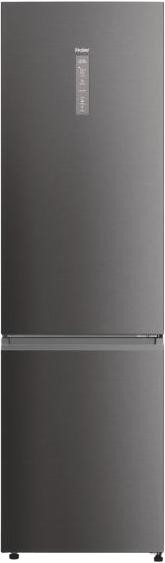
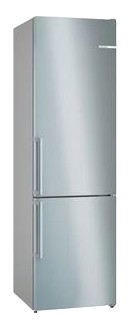

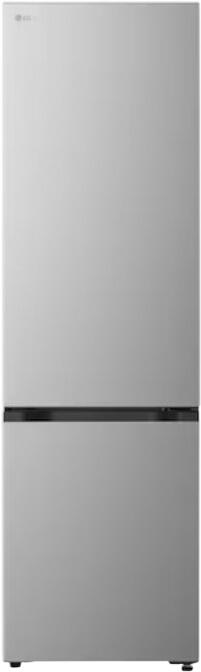

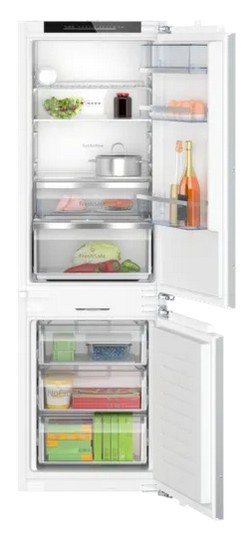


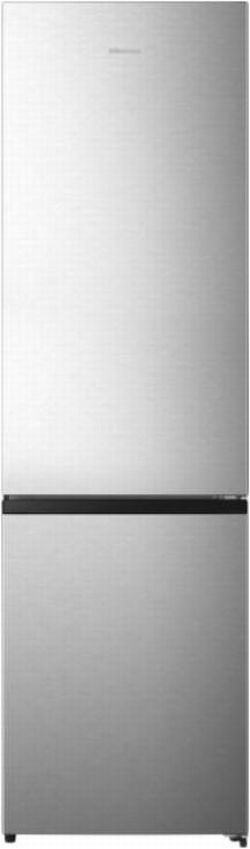
Fridge freezers: Consumer tips

The main appeal is simple: one appliance, two separate storage zones, and far more freezing space than a standard fridge with a small ice box. The right model depends on your kitchen size, shopping habits, household size and how much frozen food you actually keep at home.
What are the advantages of a fridge freezer?
A fridge freezer combines the refrigeration and freezer sections in a single unit, usually with separate doors and, on many models, separate controls. That makes it a convenient option for households that need both everyday chilled storage and a meaningful amount of freezer space without giving up too much floor space.
The main advantages are:
- one appliance instead of two
- separate fridge and freezer compartments
- a wide choice of sizes and layouts
- more freezer capacity than a basic fridge with a freezer box
- suitability for most kitchens and utility spaces
The main downside is that if the appliance develops a fault, both cooling and freezing can be affected. It is also easy to buy a model that is bigger than you really need, which can mean higher running costs and wasted kitchen space.
What should you look for when choosing a fridge freezer?
Size and layout
Start with the space available in your kitchen. In many UK homes, width, door clearance and depth matter just as much as overall capacity. A larger appliance can look appealing online but may be awkward in a narrower kitchen or in a layout where doors, units or walls limit access.
In general:
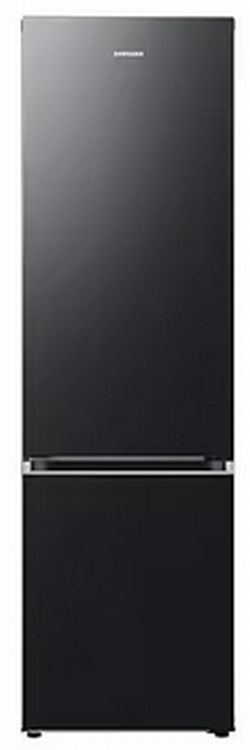
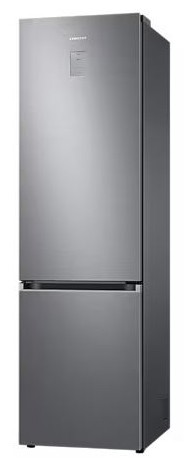
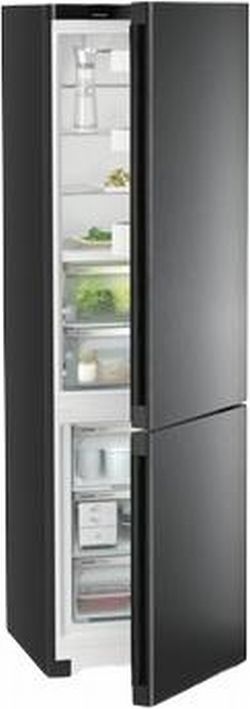
- standard upright fridge freezers suit most households
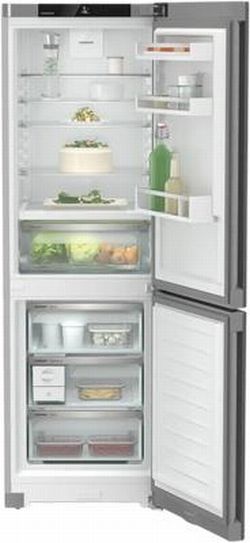
- taller models offer more usable storage without taking up extra floor area
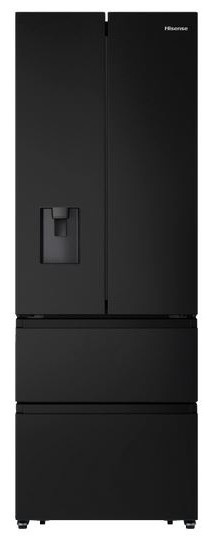
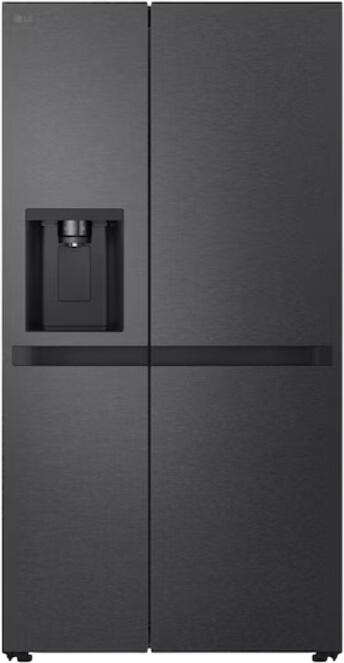
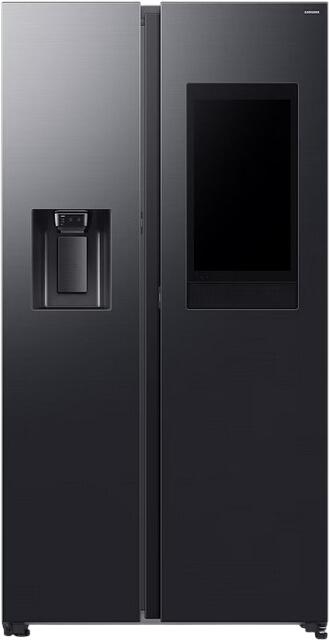
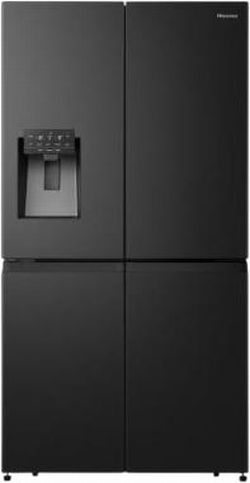
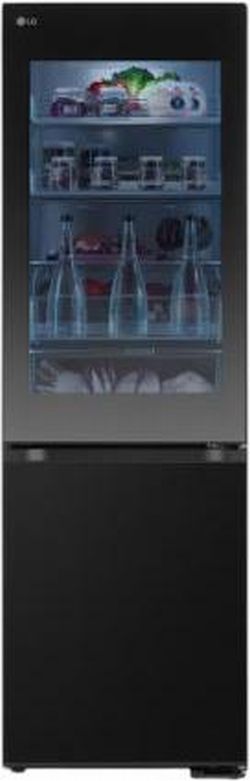
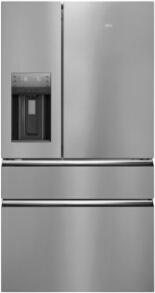
- side-by-side and multi-door models suit larger kitchens and bigger households
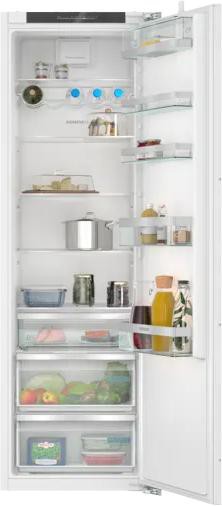
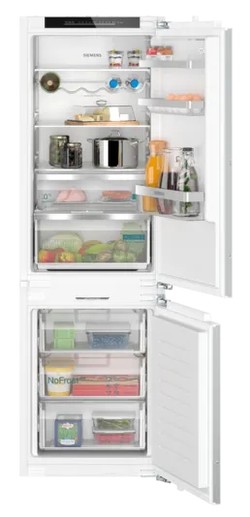
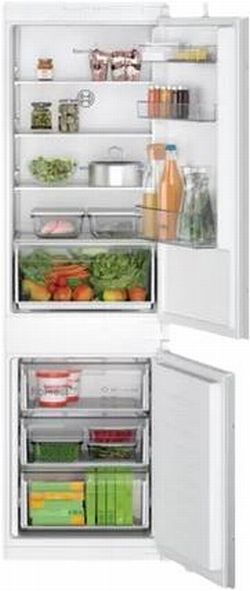
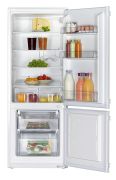
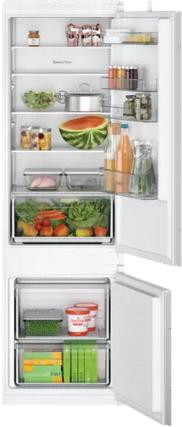
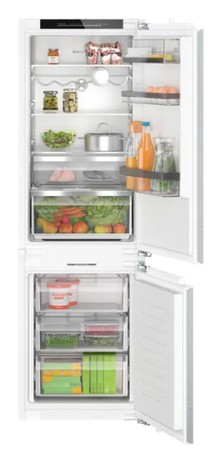
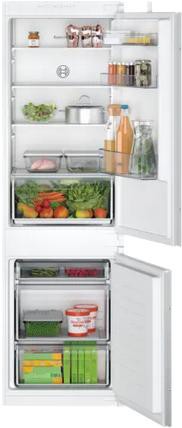
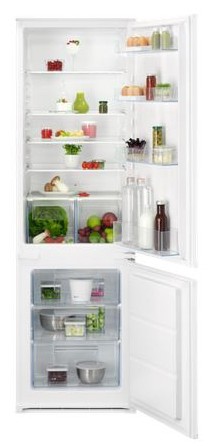
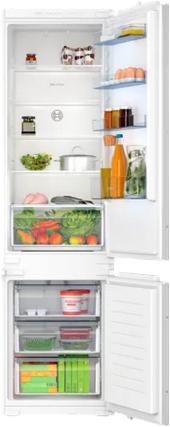
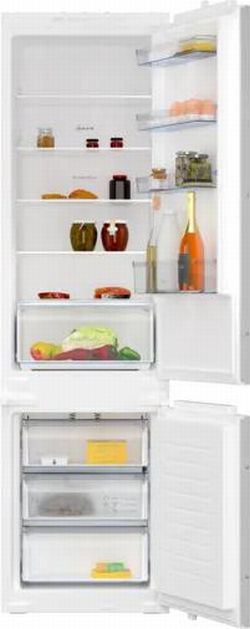
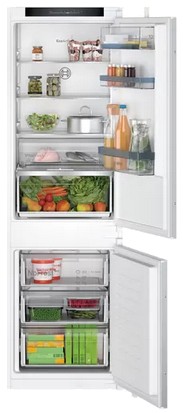
- integrated models work well in fitted kitchens but often offer less usable space than freestanding ones of a similar external size
Features
Many modern fridge freezers include features that are genuinely useful rather than just decorative extras. Depending on the model, these may include:
- No Frost or frost-free freezer systems
- fast-cool and fast-freeze functions
- salad or freshness drawers
- chiller zones
- bottle shelves
- door alarms
- holiday modes
- app connectivity on some premium models
For most buyers, frost-free operation is one of the most worthwhile features because it reduces maintenance and helps avoid ice build-up in the freezer.
Temperature control
Some fridge freezers have simple dial controls, while others offer digital adjustment for one or both compartments. More advanced models may let you control the fridge and freezer independently with clearer temperature readouts, which is useful if you want more precision.
Freezer design
The freezer section may use drawers, shelves or a mix of both. Drawers are generally the most practical option for UK households because they help separate different types of food and reduce cold-air loss when you are searching for something quickly.
For safe long-term storage, frozen food should be kept at -18°C or below.
Noise level
Modern fridge freezers are generally quiet, but noise still matters, especially in open-plan homes or smaller flats. In the UK, current appliance labels show noise in decibels (dB) and also indicate a noise class. As a rough guide, once you get above around 40 dB, the appliance may be more noticeable in everyday use, particularly in an open-plan kitchen-living area.
How much capacity do you need?
The right capacity depends on more than just the number of people in the household. It also depends on:
- how often you shop
- whether you batch cook
- how much fresh food you keep
- whether you freeze leftovers regularly
- whether you buy frozen food in bulk
As a general guide:
- single-person households usually need modest fridge space and a relatively small freezer
- two-person households often benefit from a more balanced split between chilled and frozen storage
- families usually need a larger overall capacity, especially if they shop weekly or freeze meals
- bulk shoppers and batch cooks often need more freezer space than household size alone would suggest
Energy efficiency and running costs
In the UK, fridge freezers are compared using the current A to G energy label.
The energy label helps you compare:
- energy efficiency class
- annual energy consumption
- total capacity
- freezer capacity
- fridge capacity
- noise level
It is important not to focus only on the letter grade. A larger appliance may consume more electricity overall than a smaller one, even if its efficiency rating looks respectable. Real running costs depend on:
- the appliance size
- insulation and design
- room temperature
- how often the doors are opened
- how full the compartments are
- where the fridge freezer is positioned in the kitchen
For that reason, the most efficient buying decision is usually to choose a model that fits your household properly rather than buying more capacity than you will use.
Typical sizing for households
As a rough practical guide:
- a compact fridge freezer can work well in a flat or for one person
- a mid-sized upright model suits many couples and small families
- a larger tall model is often best for family kitchens
- a side-by-side or multi-door model is more suitable for larger homes with enough kitchen space to justify it
If you live in a smaller property, always check not just the width but also the depth including handles and whether the doors and freezer drawers can open fully.
Which type is right for you?
A fridge freezer is the right choice if you want an all-in-one appliance that covers both everyday chilled food and longer-term frozen storage. It is usually the best fit for most households unless you either:
- hardly freeze anything at all, or
- need so much freezer space that a separate freezer makes more sense
For many people, a standard freestanding fridge freezer remains the best all-round option because it balances price, capacity and installation flexibility. Integrated models are ideal where a fitted kitchen look matters more, while larger side-by-side designs suit bigger spaces and heavier storage demands.
Final buying advice
Focus on:
- the right capacity for your household
- frost-free convenience
- sensible running costs
- quiet enough performance for your home
- a layout that makes everyday use easy
If you buy with your actual habits in mind rather than simply choosing the largest or most feature-packed model, you are more likely to end up with a fridge freezer that works well for years.