





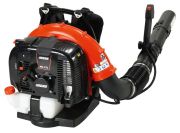
Buying a leaf blower: Consumer tips

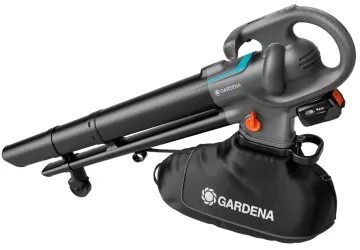
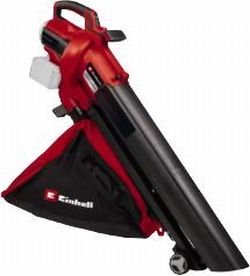
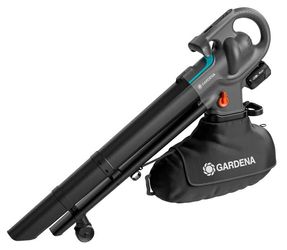
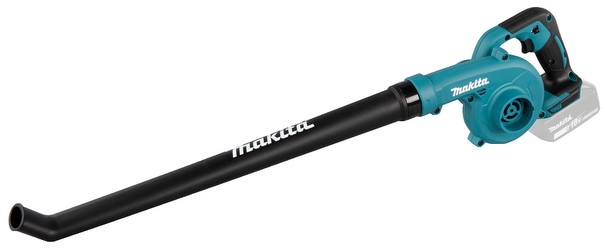
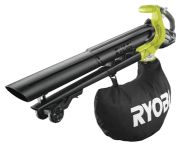
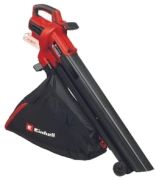
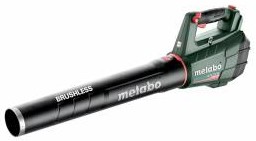
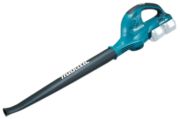
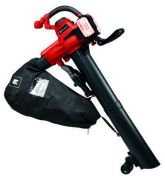
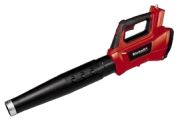
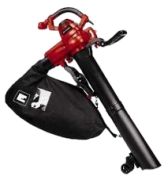
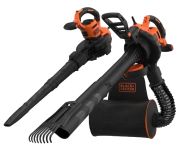
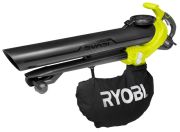
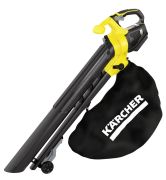
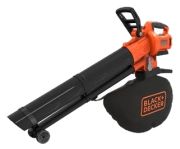
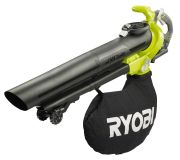
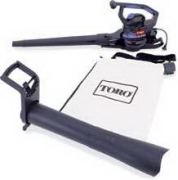
Often, the devices have a switch option to change between vacuuming, blowing, or shredding. When vacuuming, leaves and other debris are sucked up and collected in a bag, which is usually worn over the shoulder. When blowing, loose dust, debris, cans, and waste can be quickly and safely gathered into piles. With built-in shredding blades, these devices can even shred leaves.
What technical differences should be considered when purchasing?
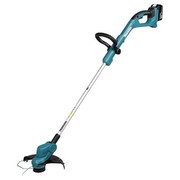
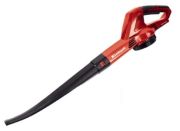
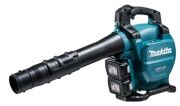
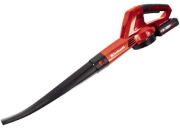
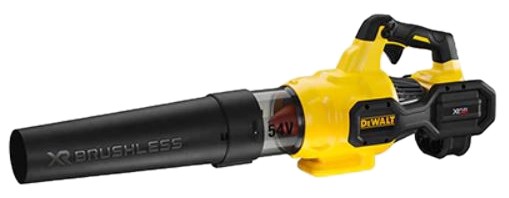
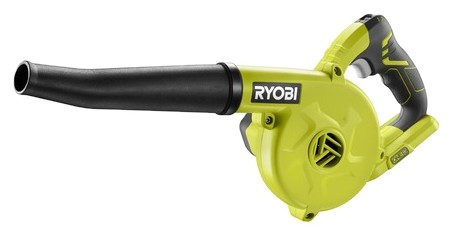
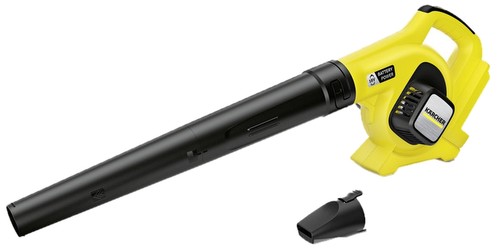
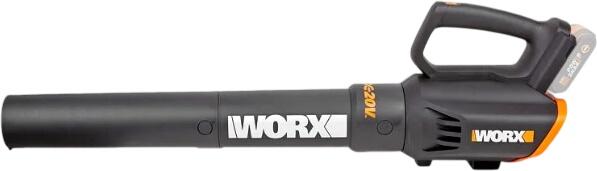
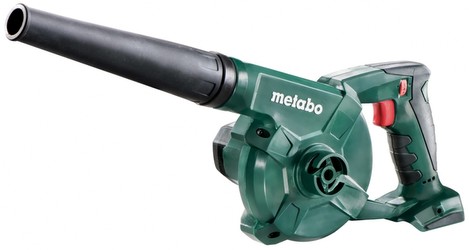
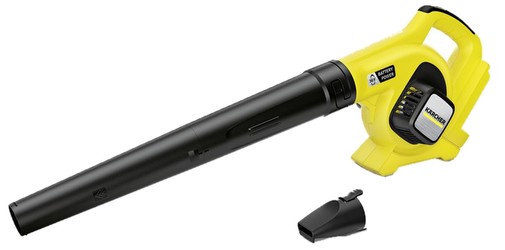
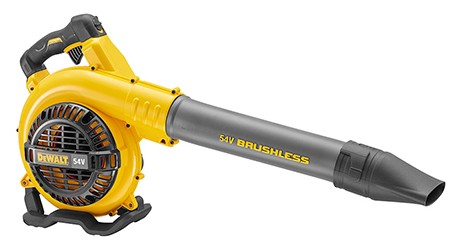
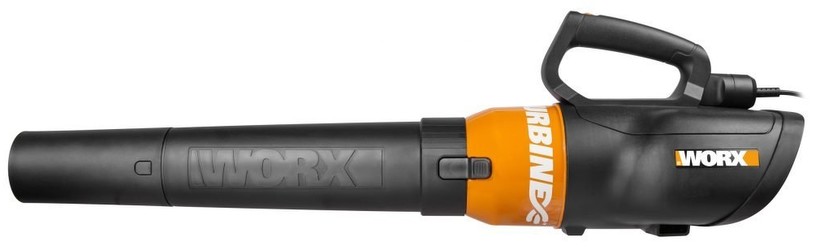
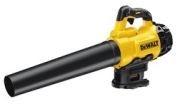
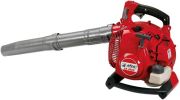
Leaf cleaners are powered either electrically via battery, with an electric motor, or with a petrol engine. The power of a battery leaf blower ranges from 1,000 to 1,500 watts. They are typically equipped with a collection bag that can hold at least 30 litres. The same applies to electric leaf blowers. These should be equipped with appropriate splash protection to guard against water spray. The versions with electric motors are easy to carry, but their range is limited by the cord. Petrol leaf blowers achieve a power of 1 to 10 HP and a blowing speed of 200-350 km/h. They are powered either by two-stroke or four-stroke engines. Two-stroke engines have the advantage of being very lightweight and can be operated anywhere. However, their emissions in terms of exhaust and noise are a disadvantage. Four-stroke engines continuously improve weight, noise, and exhaust values, making them the "drive of the future."
Precautions
Enormous air speeds are generated directly at the outlet of the leaf blowers. Therefore, care should always be taken regarding swirling and flying objects. The recoil effect is particularly dangerous near walls or house walls. Before opening the cover to the shredding blade to clear any blockages, the electric plug or spark plug should always be removed.