





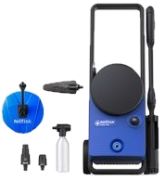
Pressure washers: Consumer tips

In the UK market, most buyers are choosing between electric pressure washers, battery-powered cordless models and, less commonly for home use, petrol-powered machines. Hot water machines also exist, but they are mainly a specialist commercial choice rather than a normal domestic buy.
What types of pressure washer are there?
Cold-water pressure washers
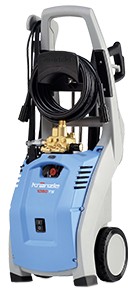
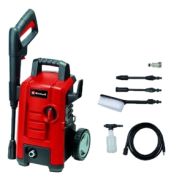
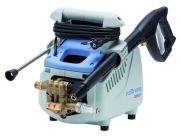
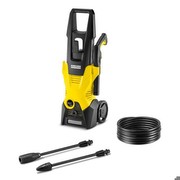
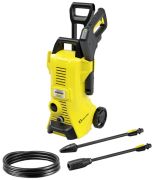
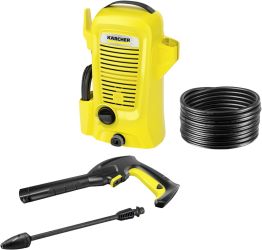
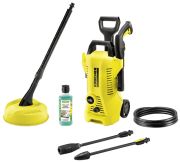
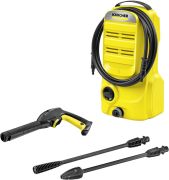
These are the standard choice for home use. They do not heat the water themselves and are designed for jobs such as cleaning paving, decking, bikes, cars, bins and outdoor furniture. For most households, a cold-water electric pressure washer is the most practical and cost-effective option.
Some guides suggest you can simply feed warm water from the tap into a machine, but this is not something to assume. Many pressure washers are designed only for cold or limited-temperature inlet water. Always check the manufacturer’s allowed inlet temperature before doing this, as using water that is too hot can damage seals or internal components.
Hot-water pressure washers
Hot-water pressure washers have a built-in heating system and are mainly used in commercial, agricultural and industrial settings, where grease, oil and heavy grime need to be removed more effectively. They are usually much more expensive, larger and less relevant for ordinary household cleaning.
Electric, battery and petrol models
- Electric pressure washers are the standard choice for UK homes. They are convenient, widely available and suitable for most domestic jobs.
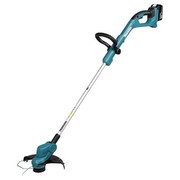
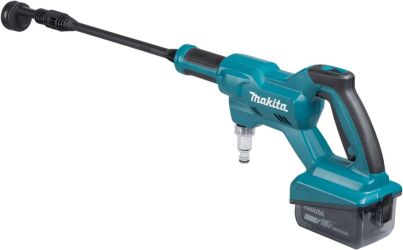
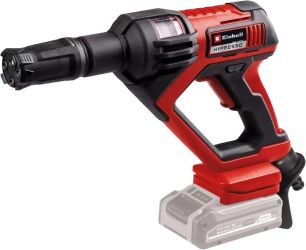
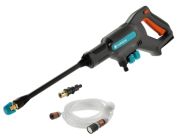
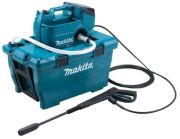
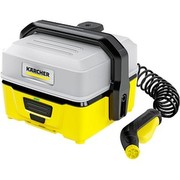
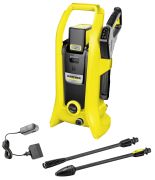
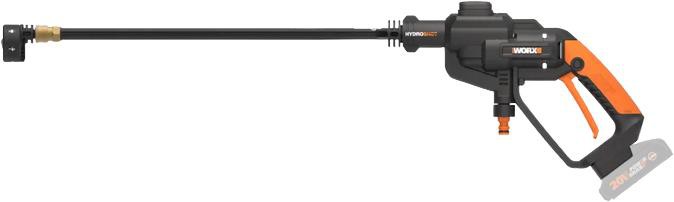
- Battery-powered pressure washers are useful where portability matters, especially for light cleaning away from a mains socket. These are typically lower-powered than full-size mains electric units and are best seen as convenient spot-cleaning tools rather than direct replacements for larger patio-cleaning machines.
- Petrol pressure washers are generally aimed at heavier-duty outdoor use where mains electricity is not practical. They are louder, heavier and require more maintenance, so they are usually better suited to trade or large-property use than the average home.
How much pressure do you need?
Pressure figures should be treated with care. Bigger numbers do not automatically mean a better machine, and old guidance can be very misleading. For domestic buyers, it is far more useful to think in terms of cleaning task, water flow and nozzle control than chasing extreme pressure claims.
As a rough guide:
- Light-duty domestic machines are suitable for bikes, garden tools, balconies and occasional car cleaning.
- Mid-range home pressure washers are better for patios, paving, fencing, driveways and more regular use.
- Heavier-duty domestic or semi-professional models offer stronger cleaning performance, higher water flow and better durability for larger areas or tougher grime.
Why water flow matters as much as pressure
Many people focus only on bar ratings, but litres per hour is just as important. Pressure helps loosen dirt; water flow helps wash it away. A washer with balanced pressure and a healthy flow rate will usually clean large areas faster than a machine that advertises a high bar figure but delivers less water.
This matters especially for:
- patios and paving
- cars and vans
- garden walls
- large decking areas
- muddy equipment
For broad cleaning jobs, a better combination of pressure and flow is usually more useful than an aggressive narrow jet.
What accessories are worth having?
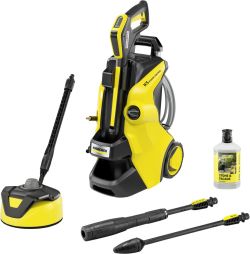
The best pressure washer accessories are the ones you will actually use. The most useful options include:
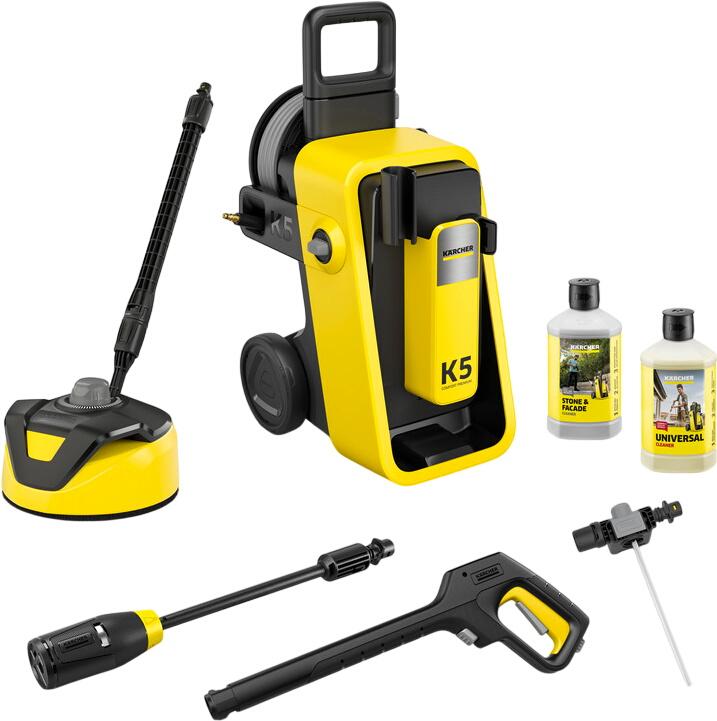
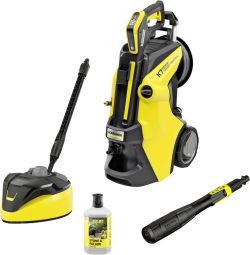
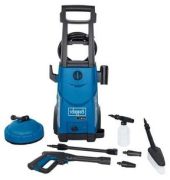
Patio or surface cleaner
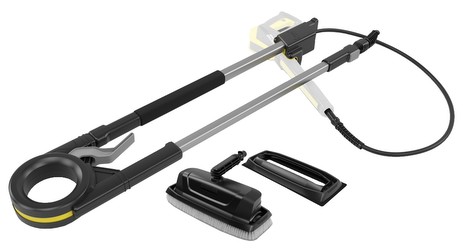
A surface cleaner is one of the most valuable attachments for patios, paving and decking. It helps clean evenly, reduces overspray and is usually easier to control than using an exposed lance alone.
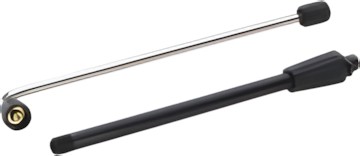
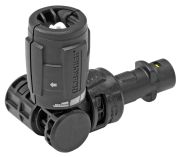
Variable or multi-nozzle lance
A lance that lets you switch quickly between a narrow jet and a wider fan spray is far more useful than a fixed spray pattern. It gives you better control for moving between car paintwork, stone, outdoor furniture and tougher grime.
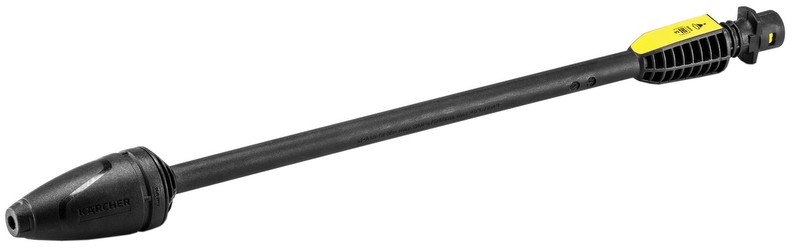
Rotary or turbo nozzle
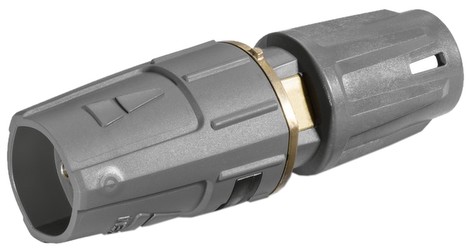
This is helpful for stubborn dirt on hard surfaces, but it should be used carefully. On delicate paving, soft stone, timber or painted surfaces, it can cause damage.
Wash brush
Brush attachments can be useful for vehicles, conservatories, doors and more delicate surfaces where a gentler clean is better than brute force pressure.
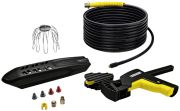
Drain and pipe cleaning kit
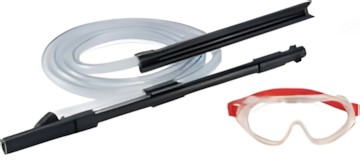
These kits can help clear some outdoor drains and pipes, but they are not a universal solution and are not specifically for gutters in every case. Always check the intended use and compatibility.
Hose reel and onboard storage
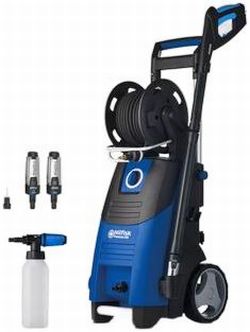
These are less glamorous than nozzles, but they make a real difference in daily use. Good storage for the hose, lance, cable and accessories keeps setup easier and helps avoid clutter and trip hazards.
If you are buying a cordless pressure washer, also check whether accessories are shared across the same battery platform or product family. Ecosystem compatibility can make a meaningful difference to value.
What should you consider before buying a pressure washer?
1. Match the machine to the job
Do not buy purely on maximum pressure. Think about whether you mainly want to clean:
- cars and bikes
- patios and paving
- fencing and brickwork
- garden furniture
- muddy boots, bins or tools
A compact model may be ideal for occasional car washing, while a larger machine with better flow and a patio attachment will be much more suitable for hard landscaping.
2. Check the water supply setup
Most domestic pressure washers are designed to connect to a standard mains-water supply via a garden hose. In UK homes, water pressure can vary significantly, so it is best to check the machine’s minimum supply requirements rather than relying on generic figures.
Also bear in mind any local hosepipe restrictions or temporary water-use restrictions. In some periods or areas, using a hose-fed pressure washer may be affected by local rules, so it is sensible to check the current position with your water supplier if restrictions are in place.
3. Check the power source
For most UK households, that means making sure the machine is suitable for UK mains power and practical to run from an outdoor-capable socket arrangement if needed. If you are considering cordless, check realistic runtime and battery cost. If you are considering petrol, factor in storage, fuel handling, noise and maintenance.
4. Look at pump and motor quality
For regular or long-term use, build quality matters. More durable pumps and internal components are generally a better sign than entry-level plastic-heavy construction. You should also look for:
- a robust hose
- quality connectors
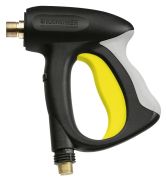
- a dependable lance
- good wheel design if the machine is large
- clear storage for cable and accessories
Premium motor design can matter too, especially if you use the machine frequently, but for many home buyers the bigger practical difference is overall build quality rather than one motor term alone.
5. Make sure the hose is long enough
A short hose becomes frustrating very quickly. For driveways, patios and larger vehicles, a longer high-pressure hose can make cleaning much easier and reduce how often you need to move the machine.
6. Check for auto stop and safety features
An automatic motor stop system is useful because it reduces wear when you release the trigger. Overpressure protection and sturdy trigger-lock arrangements are also worthwhile features.
7. Confirm accessory compatibility
Not every brand uses the same fittings, and not every model supports the full accessory range. Before buying, check:
- whether the washer accepts patio cleaners, brushes and drain kits
- whether included accessories are actually useful
- whether replacement parts are easy to get in the UK
- whether the lance and hose fittings are proprietary
Which pressure washer is best for most UK homes?
For most buyers, the best all-round choice is a mains electric pressure washer with a decent hose length, adjustable spray control and a patio cleaner attachment. That setup covers the majority of common household jobs without the extra hassle of petrol maintenance or the lower performance limits of many compact cordless units.
If you mostly clean cars, bikes and light garden equipment, a smaller and more compact model may be all you need. If patios, driveways and large paved areas are the priority, it is worth spending more on better water flow, a sturdier pump and a proper surface cleaner.