











Garden Furniture: Consumer tips

Choose furniture to suit your space
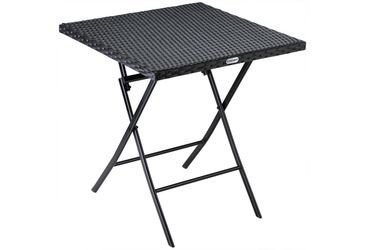
Measure your outdoor area before buying, including space needed to pull chairs out, walk around the table and open doors. A large dining set can overwhelm a compact patio, while a small bistro table and folding chairs can make the most of a balcony or narrow courtyard.
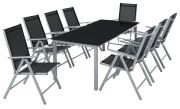
For a larger garden or patio, a dining set with a rectangular or extendable table is practical for meals and gatherings. Reclining chairs, benches and modular corner seating create a more relaxed lounge-style area. Modular furniture is particularly flexible, as sections can often be rearranged to suit different occasions.
Popular garden furniture options include:
- Bistro sets: compact tables and two chairs for balconies, small patios and morning coffee.
- Dining sets: tables with chairs or benches for outdoor meals.
- Corner sofas and lounge sets: comfortable, sociable seating for patios and decks.
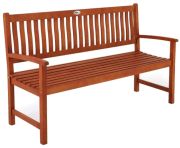
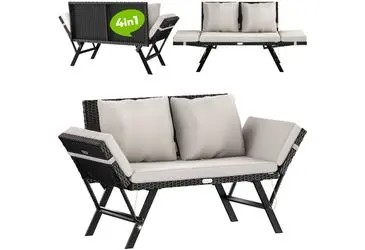
- Garden benches: a simple, space-efficient option for lawns, paths and smaller seating areas.
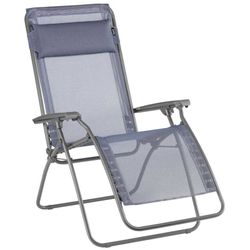
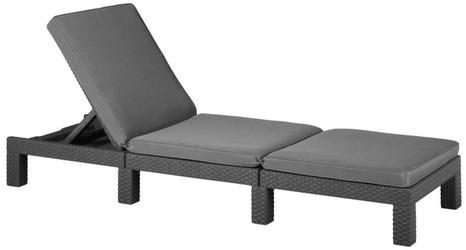
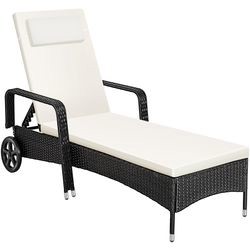
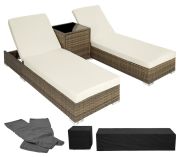
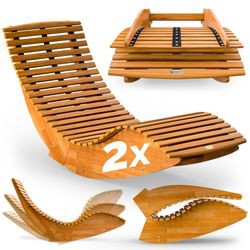
- Sun loungers: ideal for relaxing, reading and reclining outdoors.
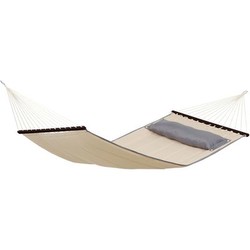
- Hammocks and hanging chairs: useful for a sheltered garden spot or a relaxed seating area.
- Garden swings and egg chairs: statement seating that needs a stable, level surface.
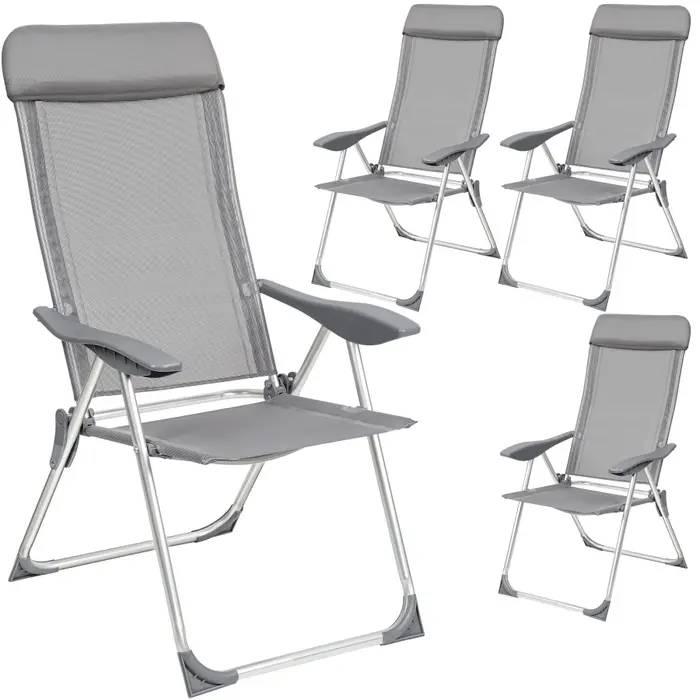
- Beach chairs: sheltered, high-backed seating for larger patios and gardens.
Materials: maintenance, weight and weather resistance
The best material depends on the look you want, where the furniture will be positioned and how often you can maintain it.
Aluminium is lightweight, naturally rust-resistant and easy to move. Powder-coated aluminium frames are a popular low-maintenance choice, although damaged coatings should be touched up to prevent corrosion.
Steel furniture can be sturdy and good value, but it needs a durable protective finish to resist rust. Check for weather-resistant powder coating, and cover or store it during long wet periods.
Plastic and recycled plastic furniture is usually easy to clean and affordable. Recycled-plastic ranges can be particularly durable and do not require regular staining, although lighter pieces may need securing in windy conditions.
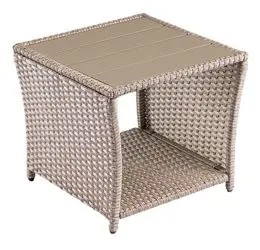
Synthetic rattan is commonly used for outdoor sofas and dining sets. Look for UV-resistant resin weave over an aluminium frame, as this is lighter and more resistant to corrosion than untreated steel. Store cushions indoors or in a dry box when not in use.
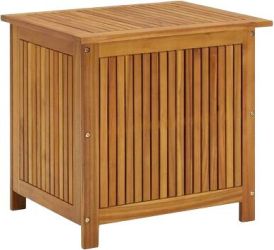
Wood gives a traditional appearance but needs more care. Teak, acacia and eucalyptus are commonly used hardwoods. Teak is naturally durable, while other woods may need regular oiling or protective treatment. Untreated softwood furniture generally needs a suitable exterior wood preservative or stain. Always follow the manufacturer’s care instructions, as treatment can change the colour and finish.
Loungers, benches and relaxed seating
A reclining garden lounger is useful for reading or relaxing on warmer days. Look for an adjustable backrest, stable locking mechanism and a breathable, quick-drying fabric or removable cushion. Folding loungers are easier to store in a shed, garage or outdoor storage box during winter.
Hammocks are available with trees straps or as free-standing models with a frame. Check the maximum user weight, anchor points and ground stability before use. A garden bench is a lower-maintenance alternative that can work as a permanent feature beside a path, flower border or patio.
For all larger seating, consider where rainwater will collect and whether the surface beneath is level. Furniture placed directly on grass may sink after prolonged rain, while timber decking may need protective feet to avoid marks or moisture trapping.
Parasols, awnings and shade
A garden parasol can provide valuable shade over a dining table, lounge set or children’s play area. Choose the size according to the area you need to cover: a small parasol may suit a bistro table, while a larger square or rectangular model can shade a dining set more effectively.
Centre-pole parasols fit through many garden tables, while cantilever parasols position the pole to one side and provide more clear space underneath. Cantilever models need a heavy, correctly sized base and should be closed in wind. No parasol should be left open in strong winds or unattended.
Some parasol fabrics offer a UPF rating, which indicates UV protection. Shade is helpful, but it does not remove the need for sun protection on exposed skin. For more permanent coverage, consider a retractable awning, shade sail, pergola canopy or gazebo designed for outdoor use.
Cushions, covers and storage
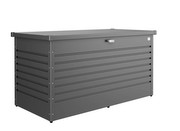
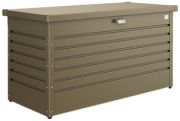
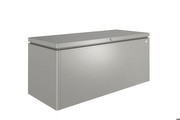
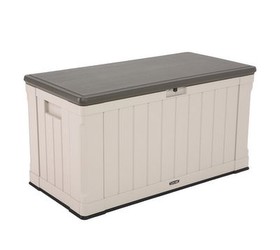
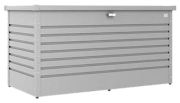
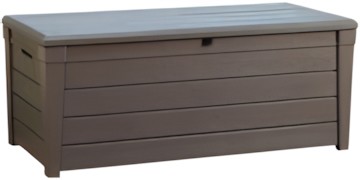
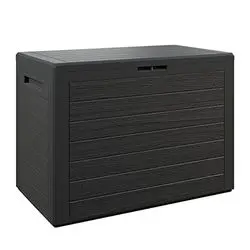
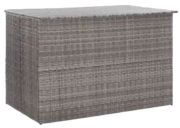
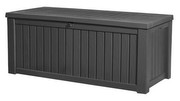
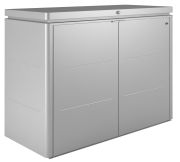
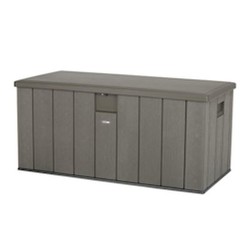
Cushions make outdoor seating more comfortable, but check whether they are genuinely showerproof, water-resistant or fully waterproof. Most outdoor cushions should be brought inside after use or stored in a dry, ventilated cushion box. Leaving them in a sealed, damp storage box can encourage mould and mildew.
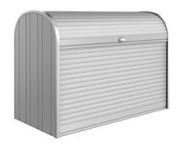
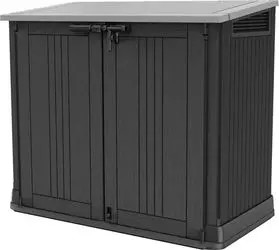
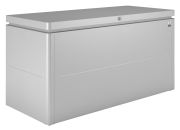
A furniture cover can protect frames from dirt, bird droppings and winter weather, but it should fit properly and allow some air circulation. Secure covers in windy conditions and remove standing water from them. A cover is not a replacement for storing vulnerable materials in a shed, garage or dry outdoor storage unit over winter.
Caring for garden furniture
Clean furniture regularly with mild soapy water and a soft brush or cloth. Avoid abrasive cleaners that can damage coatings, rattan weave or timber finishes. Dry furniture thoroughly before covering or storing it.
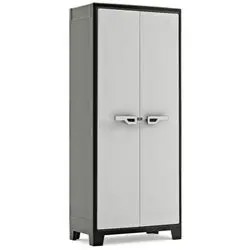
At the end of the season, inspect frames, fixings and fabric for damage. Store folding chairs, cushions and lightweight items in a shed, garage or dry storage box. Larger all-weather sets can often remain outside with suitable covers, but cushions, parasols and glass table tops may need additional protection.
Garden furniture buying checklist
- Measure your patio, balcony or garden before choosing a set.
- Allow enough space for chairs, doors and walkways.
- Choose aluminium, synthetic rattan or recycled plastic for lower-maintenance options.
- Check that steel frames have a durable rust-resistant finish.
- Select UV-resistant fabrics and removable, quick-drying cushion covers where possible.
- Consider modular seating if you want to change the layout for dining and relaxing.
- Use a correctly weighted base for every garden parasol.
- Close and secure parasols in wind and poor weather.
- Store cushions in a dry, ventilated box or indoors.
- Use fitted, breathable covers and protect furniture from damp over winter.