





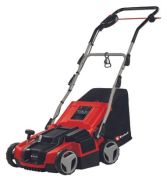
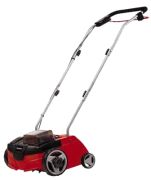
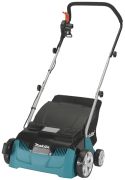
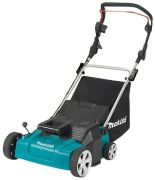
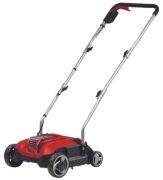
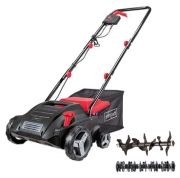

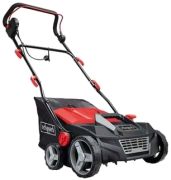
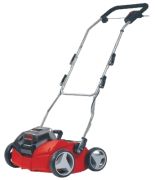

Scarifiers: Consumer tips
What a scarifier does
A scarifier works by cutting lightly into the surface of the lawn and pulling out:
- moss
- dead grass
- shallow thatch
- some surface debris
This helps the lawn breathe and can encourage stronger growth afterwards. On many models, the removed material is either thrown out behind the machine or collected in a grass box. Scarifying is not something you need to do constantly. It is a corrective and maintenance task, best used when the lawn genuinely needs it rather than as a routine job every few weeks.
Types of scarifier
Buyers usually choose between three main types:
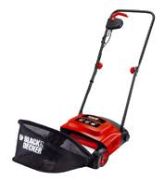
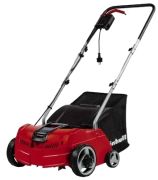
- corded electric scarifiers
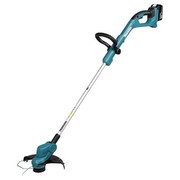
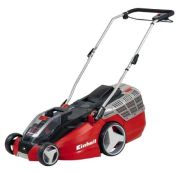
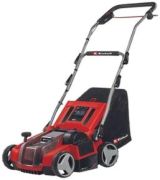
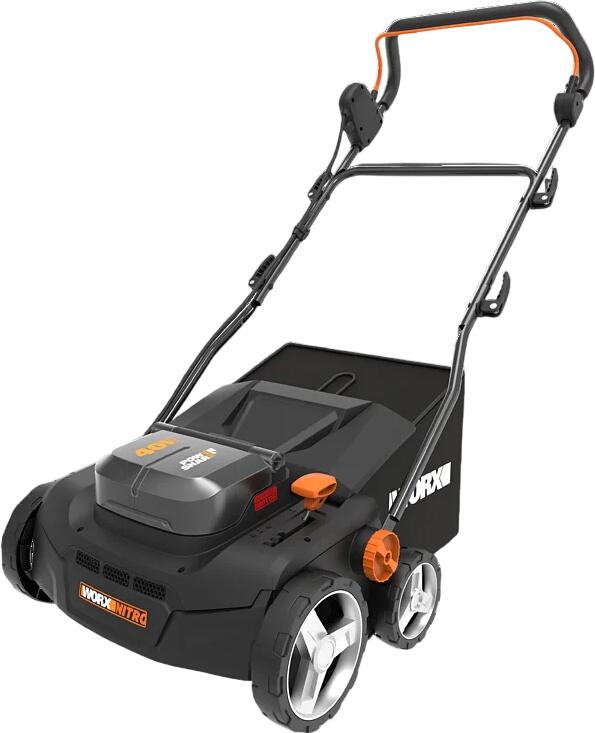
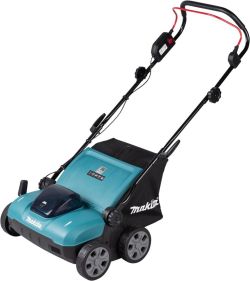
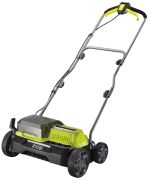
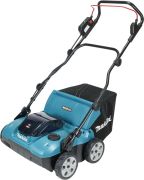
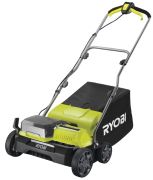
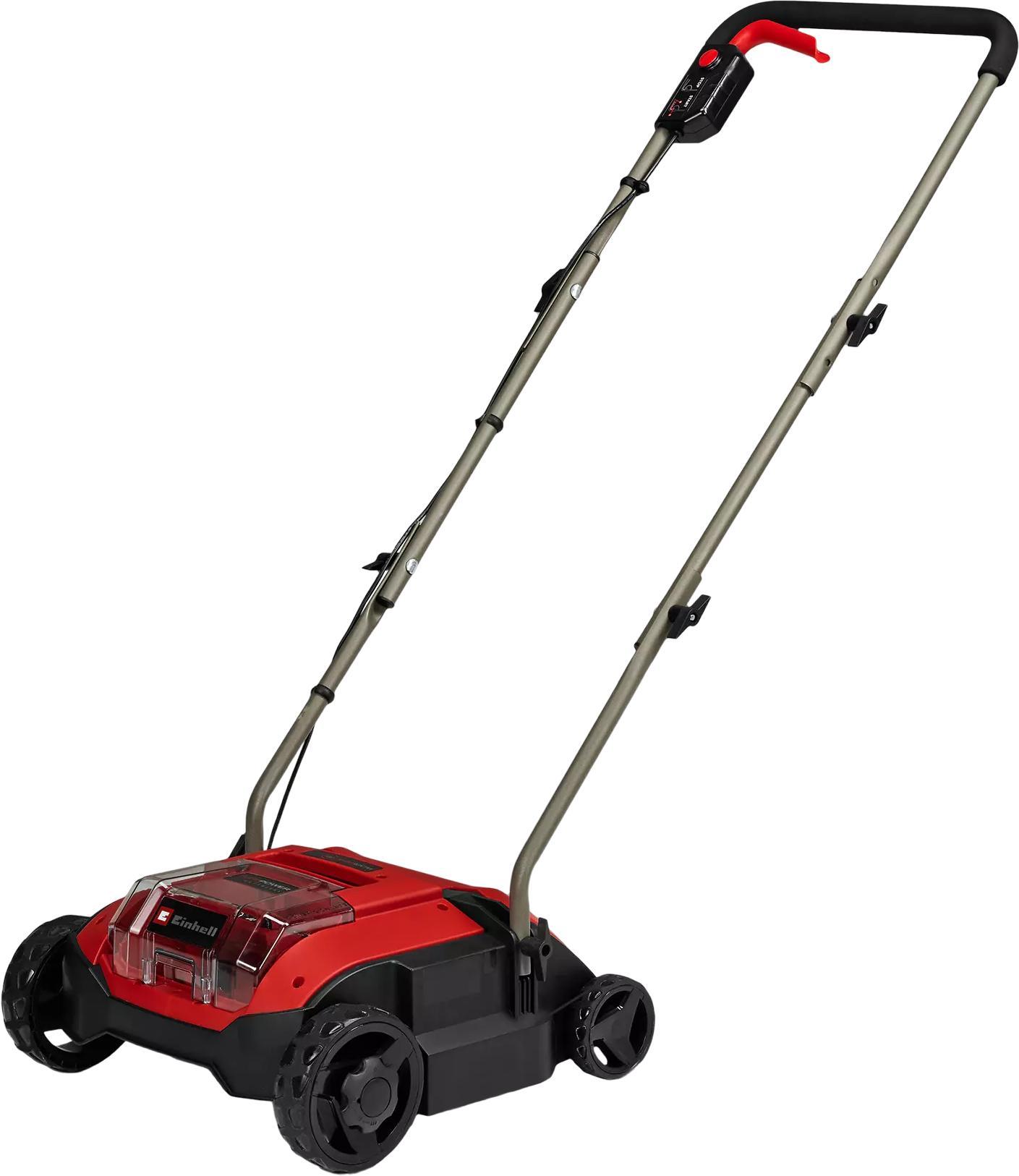
- cordless battery-powered scarifiers
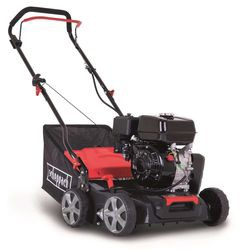
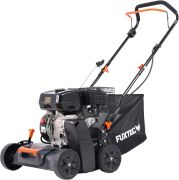
- petrol scarifiers
Corded electric
Corded electric models are often the most affordable and are well suited to:
- smaller gardens
- regular domestic use
- buyers who want simple operation
The main downside is the cable, which can be inconvenient around trees, flowerbeds and awkward lawn shapes.
Cordless battery-powered
Cordless scarifiers are now a standard option and should be part of any up-to-date buying guide. They are especially appealing if you want:
- more freedom of movement
- less noise than petrol
- no trailing cable
- easier storage and maintenance
They are often ideal for small to medium-sized gardens, especially if you already use compatible batteries from the same garden tool system.
Petrol
Petrol scarifiers are better suited to:
- larger lawns
- heavier-duty work
- areas with thicker thatch or more demanding ground conditions
They usually offer strong performance, but they are heavier, noisier and require more maintenance. For many home users, cordless models now make more sense unless the lawn is particularly large.
What to look for when buying
A good scarifier should be easy to control and suitable for the size and condition of your lawn. Key points to check include:
- working width
- adjustable depth settings
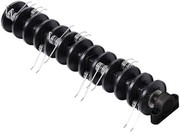
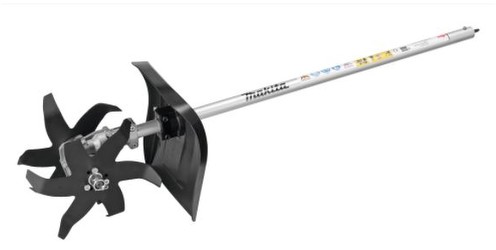
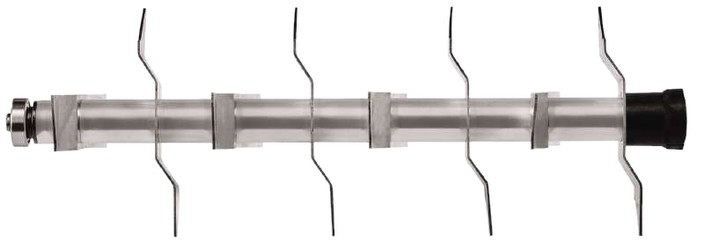
- blade or spring-tine system
- collection box size
- wheel quality
- overall weight
- battery runtime, if cordless
- spare parts and blade availability
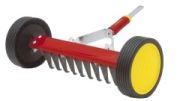
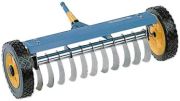
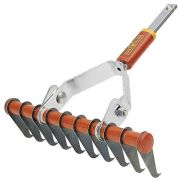
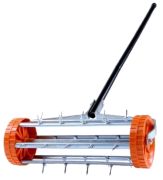
It is also worth checking whether the machine is mainly designed for light raking or for more aggressive blade scarifying, as some products are better at one than the other. For most households, ease of use matters just as much as power. A machine that is too heavy or awkward can quickly become frustrating to use.
How deep should you scarify?
More aggressive is not always better. In most cases, you only want to work into the surface layer rather than tearing into healthy roots. A light setting is usually the best place to start, especially if you are not sure how compacted or delicate the lawn is. A very deep pass can do more harm than good, particularly on stressed or thin grass. The aim is to remove the thatch layer and surface moss, not to strip the lawn bare.
When should you scarify?
The best time depends on grass growth, soil warmth and recovery conditions, not just a fixed month on the calendar.
The two most common windows are:
- spring, once the lawn is actively growing again
- early autumn, while the soil is still warm enough for recovery
Spring is often the main scarifying season, but avoid doing it too early when the lawn is still sluggish from winter. Likewise, late summer or early autumn can work well, provided the grass still has time to recover before colder weather sets in.
A better rule than a fixed date is to scarify when:
- the lawn is actively growing
- the soil is not waterlogged
- the weather is not excessively hot or dry
- there is enough time for regrowth afterwards
If the lawn is struggling during a dry spell, delay the job. In dry summers or periods of poor recovery, it is often better to wait than to force a second treatment.
How to scarify properly
A simple approach usually works best:
- Mow the lawn first, keeping the grass fairly short
- Choose a light depth setting for the first pass
- Scarify in straight lines, then cross the area lightly if needed
- Remove the loosened debris afterwards
- Overseed bare patches if the lawn has thinned out
- Feed the lawn after scarifying to support recovery
- Water if needed, especially in drier periods
If the lawn is heavily thatched or full of moss, it may take more than one season to restore it properly. Trying to do too much in one pass can leave the grass looking worse for longer.
Spring or autumn?
Both can work, but they serve slightly different purposes.
Spring
Best for:
- dealing with winter moss
- refreshing a tired lawn
- setting up growth for the main season
Early autumn
Best for:
- repairing summer wear
- overseeding
- giving the lawn one more recovery phase before winter
For many gardens, a light spring treatment is enough. A second pass in autumn is only worthwhile if the lawn is healthy enough to recover well.
Cordless vs petrol: what makes more sense now?
A few years ago, the choice was often framed as electric for light work and petrol for power. In 2026, that is too simplistic. Cordless battery scarifiers have become a very practical middle ground.
Choose cordless if you want:
- easier handling
- less maintenance
- no extension lead
- lower noise
- a machine that suits a typical suburban lawn
Choose petrol if you want:
- longer running time without battery swaps
- strong performance on larger or rougher areas
- a tool for heavier-duty lawn renovation
For many UK buyers, cordless is now the most balanced option.
Safety and maintenance
As with any bladed garden tool, safe use matters. Before using a scarifier:
- clear stones and debris from the lawn
- keep children and pets away from the area
- check the cable path carefully on corded models
- inspect blades or tines for wear
- empty the collection box before it becomes too heavy
Long-term ownership is also easier if replacement parts are easy to source. Blades, tines, batteries and chargers are all worth checking before you buy.