









Irrigation Systems: Consumer tips
Modern garden watering systems range from simple hose-end sprinklers to drip irrigation kits, water butt pumps and app-controlled smart controllers. The most suitable option depends on your water source, garden layout and the plants you are growing.
Choose a suitable water source
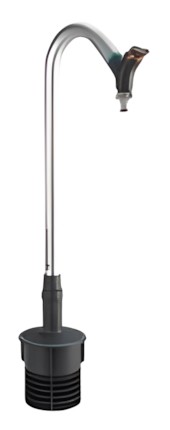
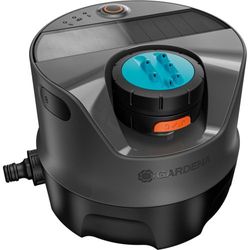
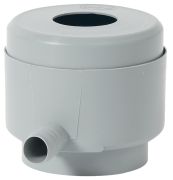
Most garden irrigation systems connect to an outdoor tap, but rainwater harvesting can be a practical alternative for routine watering. Water butts collect runoff from gutters and are particularly useful for containers, beds and greenhouse plants. A gravity-fed water butt can supply a watering can or basic drip system, while a water butt pump can provide more pressure for longer hoses and sprinklers.
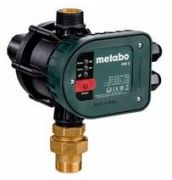
For larger gardens, a well, borehole or storage tank may be used with an appropriate garden pump or domestic water booster system. The pump must provide sufficient flow rate and pressure for the number of sprinklers or drip lines connected. Always check the manufacturer’s specifications, especially the maximum head height, flow rate and compatibility with rainwater or clean water.
Possible water sources include:
- Outdoor mains tap: convenient and reliable, but metered water can increase household costs.
- Water butt: ideal for collecting rainwater for pots, borders and greenhouse plants.
- Water butt pump: helps move stored rainwater through a hose or irrigation system.
- Garden pump: useful for wells, tanks and larger rainwater stores.
- Gravity-fed tank: suitable for low-pressure drip irrigation when positioned above the planting area.
Water lawns, borders and vegetable beds
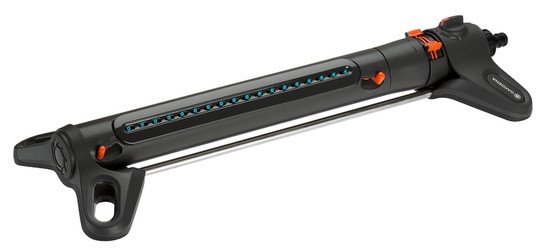
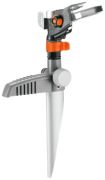
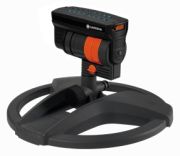
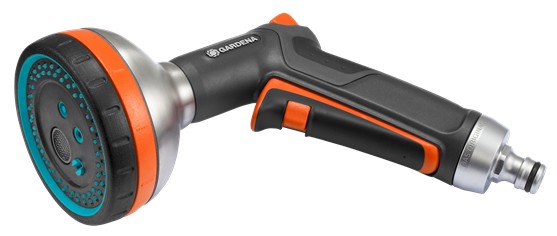
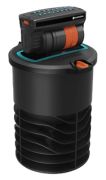
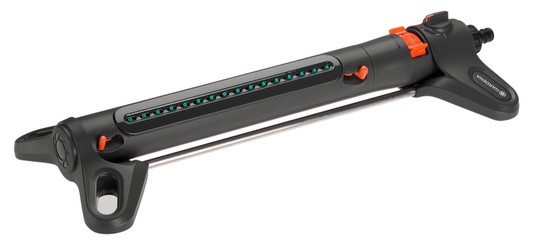
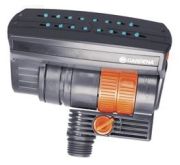
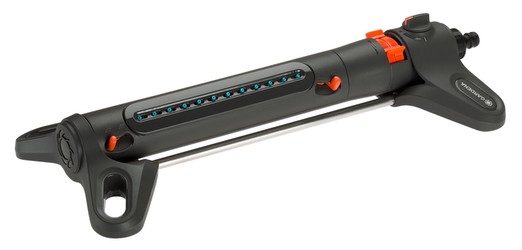
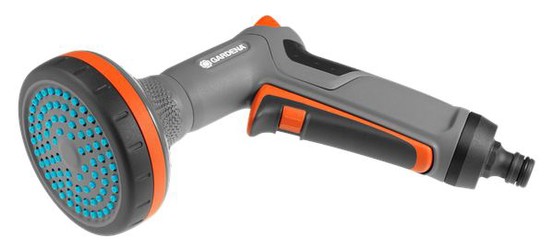
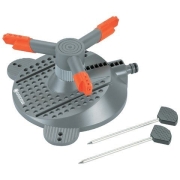
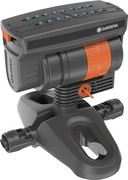
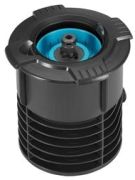
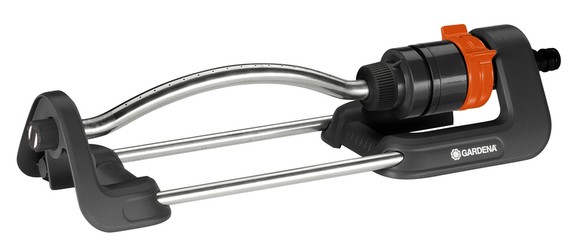
Sprinklers are generally best for lawns and broad areas of planting. Oscillating sprinklers suit rectangular lawns, while circular or pulse sprinklers can cover round or irregular spaces. Choose an adjustable model so that water reaches the lawn rather than paths, fences or neighbouring property.
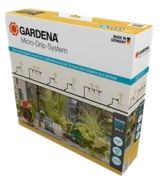
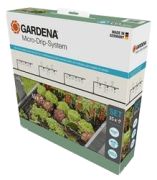
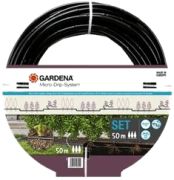
For flower beds, hedges, raised beds and vegetable patches, drip irrigation or soaker hoses are usually more efficient. They apply water slowly at soil level, directing moisture to the roots while limiting evaporation. This can also reduce the amount of water left on foliage, which is beneficial for plants prone to fungal problems.
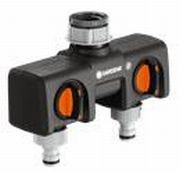
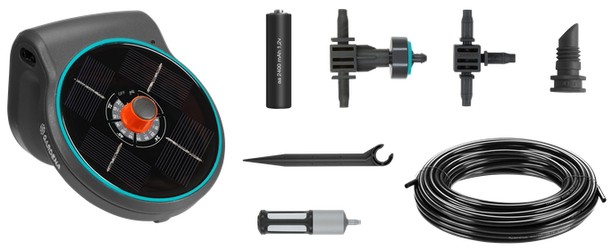
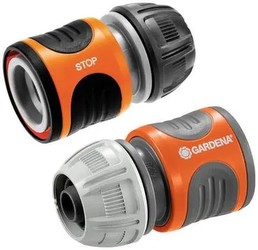
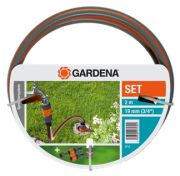
A modular watering system can be expanded over time with connectors, micro-sprinklers, drip emitters and distribution pipes. This is useful if your garden layout changes or you want separate watering zones for thirsty vegetables, established shrubs and containers.
For efficient watering:
- Water early in the morning or later in the evening, rather than in the strongest midday sun.
- Water deeply and less often to encourage stronger root growth.
- Adjust watering to rainfall, temperature, soil type and plant growth stage.
- Use mulch around beds to help the soil retain moisture.
- Avoid watering established lawns excessively; grass often recovers after dry periods.
- Position sprinklers carefully to avoid waste and slippery paths.
Greenhouse irrigation systems
Greenhouses can dry out quickly, particularly during warm weather. Drip irrigation is one of the most effective options because it delivers water directly to individual plants or rows. Perforated pipe, dripline or adjustable emitters can be placed around the base of tomatoes, cucumbers, peppers, herbs and other greenhouse crops.
Keeping leaves dry can help reduce the risk of fungal disease, especially for tomatoes, strawberries and other plants that are sensitive to humid conditions. Drip systems also avoid washing nutrients away from the root zone as quickly as overhead watering can.
For pots and grow bags, use micro-drip stakes or adjustable emitters. Check them regularly, as blocked emitters, kinked pipework or uneven pressure can result in some plants receiving too little water. A filter is helpful when using stored rainwater, as debris can clog small drippers.
Timers, smart controllers and moisture sensors
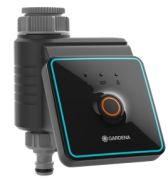
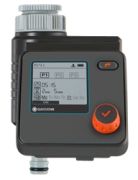
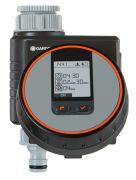
A basic tap timer can automate watering by setting the start time, frequency and duration. It is a convenient choice for holidays, busy periods and regular greenhouse watering. However, the schedule should be adjusted throughout the year; a programme that suits a hot July week may overwater plants during cooler or wetter weather.
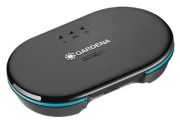
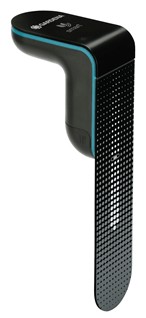
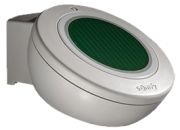
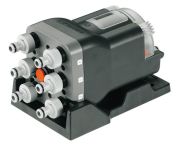
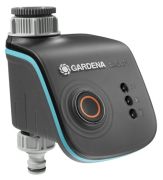
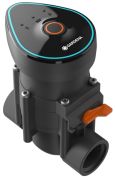
Smart irrigation controllers offer more flexibility. Depending on the model, they can be controlled through an app, use local weather information, manage separate garden zones or work with soil-moisture sensors. A moisture sensor can prevent watering when the soil is already wet, helping to avoid overwatering and unnecessary water use.
Automatic watering still needs occasional checks. Inspect hoses, connectors and emitters for leaks, make sure the system is not flooding a bed or pot, and adjust the programme when plants are newly planted, fruiting or entering dormancy.
Preparing an irrigation system for winter
Permanent irrigation pipework should be protected before frost arrives. Disconnect hoses, drain above-ground systems and store timers, pumps and connectors indoors where possible. Water left in pipework can freeze and damage fittings, valves and hoses.
Underground systems may need drain valves or compressed-air winterisation, depending on their design. Follow the installation instructions for your particular system, especially for pumps, filters and smart controllers.
Key benefits of garden irrigation
- Rainwater from a water butt can reduce use of treated mains water.
- Sprinklers provide broad coverage for lawns and larger planted areas.
- Drip irrigation delivers water directly to roots and is well suited to beds, containers and greenhouses.
- Timers and smart controllers can automate watering around your routine and holidays.
- Soil-moisture sensors can help prevent unnecessary watering.
- Modular systems can be expanded as your garden, greenhouse or vegetable plot develops.
A simple drip system with a timer is often the most water-efficient starting point for beds and greenhouse plants, while an adjustable sprinkler is useful for lawns. Whichever system you choose, adapt watering to the weather, use rainwater where practical and check local hosepipe-restriction guidance during dry periods.