







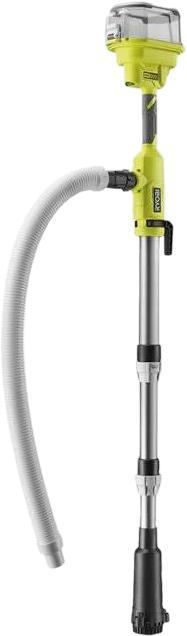
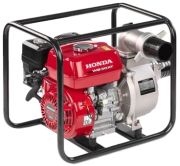
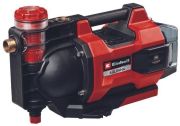

Garden pumps: Consumer tips
For many UK households, it is a practical way to use stored rainwater for lawns, borders, beds and general outdoor cleaning, while also giving more flexibility than watering by hand from a watering can.
Which type of garden pump is right for you?
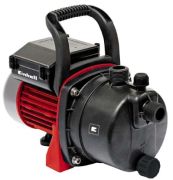
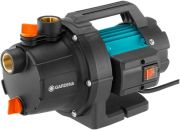
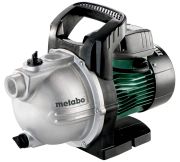
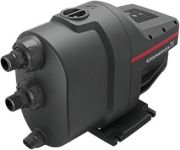
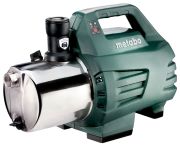
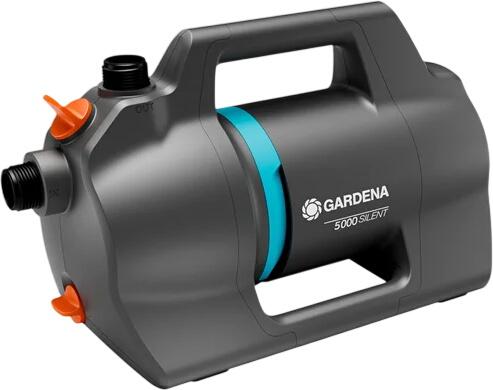
Surface garden pumps
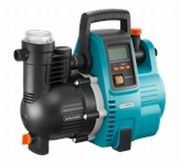
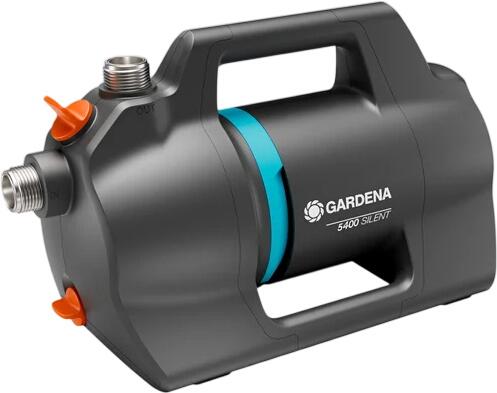
A surface garden pump sits above ground and draws water through a suction hose from a water source such as a rainwater butt, shallow well or cistern. This is the classic option for garden irrigation and is often the simplest to set up for domestic use.
They are a good choice if you want:
- a pump for rainwater storage
- a mobile pump for seasonal use
- straightforward access for maintenance
- a practical solution for general watering
However, suction-based pumps have limits. They are best suited to relatively shallow water sources and are less effective if the water level is too deep or the suction run is too long.
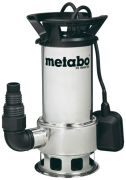
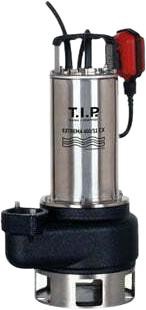
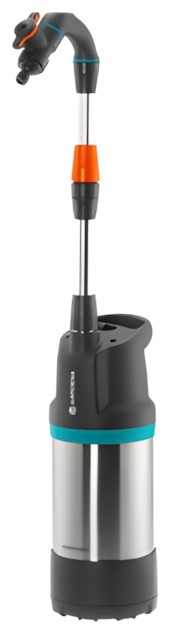
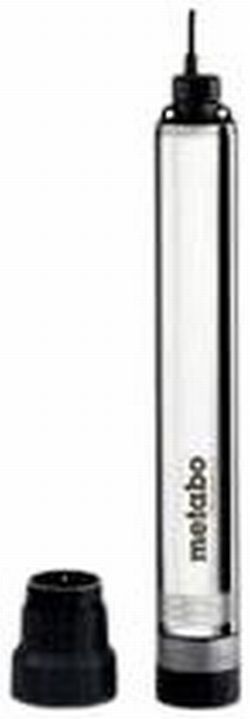
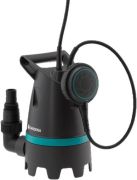
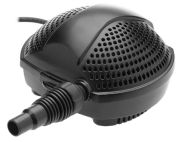
Submersible pumps
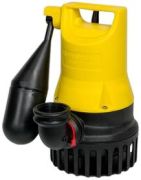
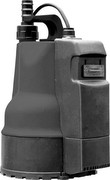
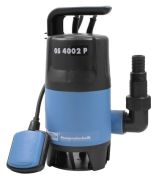
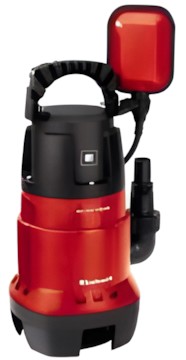
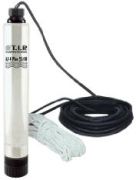
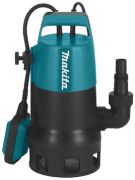
A submersible pump sits directly in the water source and pushes water upward rather than drawing it up by suction. This makes it a better option for deeper wells, underground tanks and some flood or drainage tasks.
They are often better suited for:
- deeper water sources
- underground cisterns
- flood water removal
- quieter operation
Because the pump is in the water, it can also be less noisy in use. The trade-off is that access for maintenance is less convenient than with an above-ground pump.
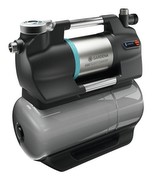
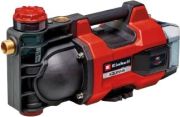
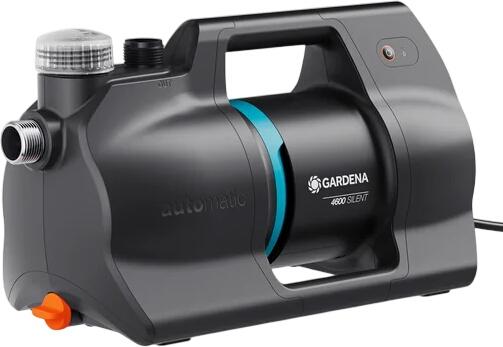
Pressure pumps and booster systems
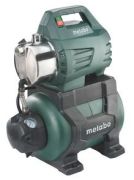
Pressure pump systems, booster pumps or booster sets combine a pump with automatic pressure control and, in some cases, a pressure vessel, so the system can maintain more stable water pressure and operate automatically when water is needed.
They are best for:
- more extensive irrigation setups
- multiple watering points
- systems needing steady pressure
- larger domestic rainwater-use arrangements
These are usually the more advanced and more expensive option, but they can be the best fit if you want a more permanent watering setup rather than a simple hose-and-pump arrangement.
How much flow rate and pressure do you need?
When comparing garden pumps, two of the most important figures are:
- flow rate
- delivery height or pressure
The flow rate is usually given in litres per hour and tells you how much water the pump can move. The delivery height or pressure helps indicate how strongly the pump can push water through a hose, sprinkler or irrigation system.
As a practical rule:
- a simple hose setup needs less than a multi-sprinkler system
- larger lawns and wider irrigation coverage need more flow
- longer hose runs and height differences reduce real-world performance
A pump may sound powerful on paper, but performance always falls as the water has to travel further or higher. That is why it is important to check the manufacturer’s performance curve rather than rely only on the highest headline figure.
It is usually smarter to choose a pump that comfortably covers your needs rather than one that will constantly be working at its limit.
What water sources can you use?
Many garden pumps are used with:
- rainwater butts
- IBC containers
- underground tanks
- cisterns
- shallow wells
- deeper wells with the correct pump type
Using stored rainwater is often the most garden-friendly option because it is naturally softer than treated mains water and can be very useful for beds, borders and pots.
If you plan to draw water from a pond, stream or other natural source, check local rules and practical filtration needs first. Water from these sources often contains debris, sediment or algae, which can clog filters and irrigation equipment.
Installation: what matters most?
A good installation makes the pump quieter, more reliable and easier to maintain.
Key points include:
- keep the pump as close as practical to the water source
- reduce unnecessary hose length where possible
- avoid excessive bends in pipework
- place the pump on a firm, level base
- protect it from weather where appropriate
- fit suitable filtration for the water source
For suction pumps especially, airtight hose connections matter a great deal. Even a small air leak can reduce performance and make priming difficult.
When looking at hose and pipe sizes, check the manufacturer’s specification carefully. UK buyers may see fittings described in both imperial and metric sizes, such as 1 inch and 25 mm, but it is important to confirm whether that refers to nominal fitting size, hose size or internal diameter before buying accessories or replacement hoses.
Electrical safety
If your pump is being used outdoors or near water, electrical safety is essential. Do not rely on foreign standards references. Outdoor electrical use should be suitable for the environment, and equipment should be installed and used in line with UK electrical safety requirements. In practical terms, that usually means:
- using a suitable outdoor-rated power supply
- keeping plugs and connections protected from water
- using RCD protection where appropriate
- following the manufacturer’s instructions carefully
If you are unsure about fixed wiring or outdoor installation, it is best to use a qualified electrician.
How much maintenance does a garden pump need?
Most garden pumps are fairly low-maintenance, but they are not fit-and-forget products. Regular checks help avoid poor performance and premature failure.
Routine maintenance usually includes:
- cleaning the intake filter or strainer
- checking hoses and connections for leaks
- priming the pump if required
- inspecting for blockages
- watching for reduced pressure or unusual noise
- checking any dry-run protection features
If your water source contains sediment, leaves or other debris, filter cleaning becomes even more important.
It is also worth checking whether the pump has:
- dry-run protection
- thermal overload protection
- automatic pressure control
- built-in pre-filtering
These features can make a real difference to longevity and ease of use.
Winter storage and frost protection
Do not assume a garden pump can simply stay outside all winter unless the manufacturer clearly says it is designed for that use. In most cases, the safer approach is:
- drain the pump fully
- drain connected pipework and hoses
- store the pump in a frost-free place
- clean filters before storage
- protect seals and moving parts according to the manufacturer’s advice
Freezing water inside the pump or pipework can cause expensive damage. Even pumps that are weather-resistant are not automatically protected against frost.
Which garden pump is best for most buyers?
For most UK homes using stored rainwater for watering, a surface garden pump is the simplest and most cost-effective option. If the water source is deeper or below ground, a submersible pump is often the better fit. If you want a more permanent setup with steadier pressure for multiple outlets or automated irrigation, a pressure pump or booster system is worth considering.