







Weather Stations: Consumer tips
What types of weather station are available?
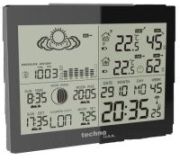
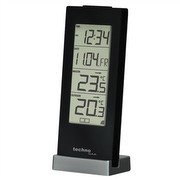
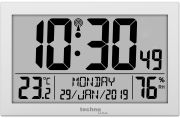
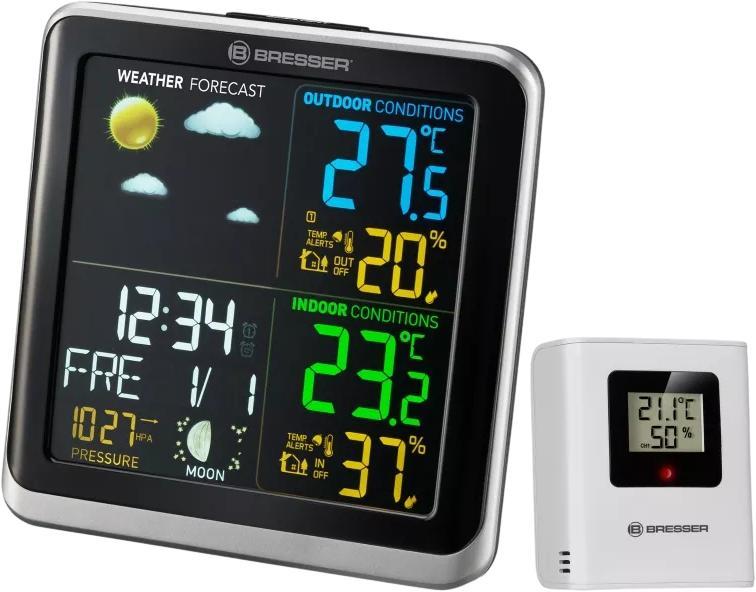
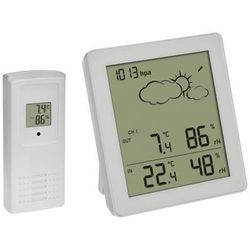
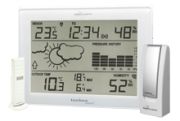
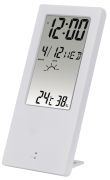
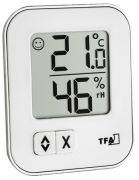
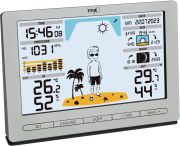
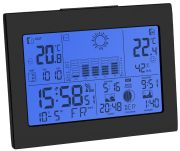
The simplest weather stations display basic indoor and outdoor readings, usually using a wireless outdoor sensor. They are suitable for everyday use and include a clock, calendar, alarm and basic forecast symbols.
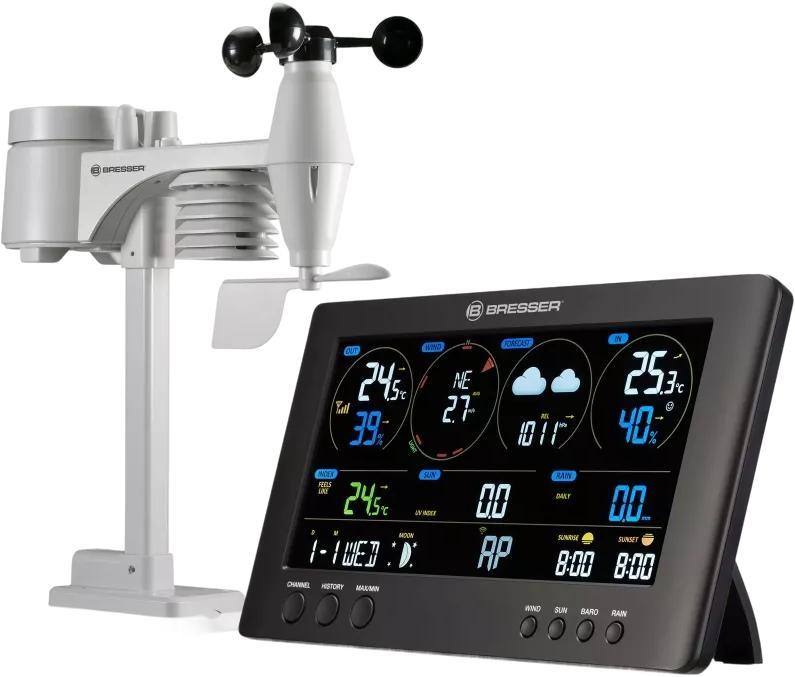
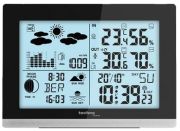
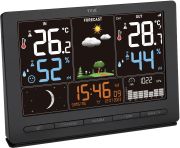
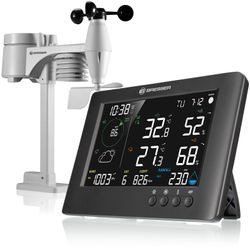
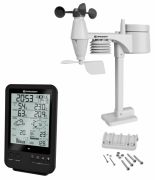
More advanced models use additional sensors and offer a broader picture of local weather conditions. These may include:
- Indoor and outdoor temperature
- Indoor and outdoor humidity
- Barometric pressure and pressure trend
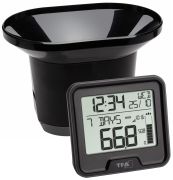
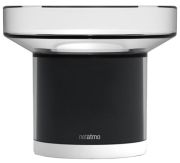
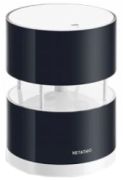
- Rainfall measurement
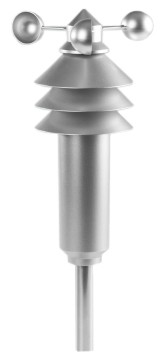
- Wind speed and direction
- UV index
- Frost alerts
- Sunrise and sunset information
- Historical readings and graphs
Some weather stations use their own sensor data to produce a short-term local forecast, while Wi‑Fi-connected models can also share readings with an app or online dashboard. This can be useful if you want to check conditions while away from home.
Wireless, Wi‑Fi and app-connected weather stations
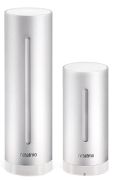
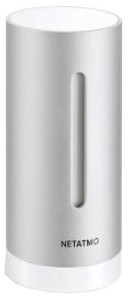
Most home weather stations now use a wireless sensor to send local readings to an indoor display. Many also add Wi‑Fi connectivity, allowing data to be viewed through a smartphone app, stored online or integrated with selected smart-home platforms.
A wireless outdoor sensor does not need a separate modem. However, a weather station with app features or cloud data will normally need access to your home Wi‑Fi network.
Useful connected features can include:
- Smartphone notifications for frost, heat or rainfall
- Remote access to live readings
- Historical weather data
- Multiple sensor support
- App-based charts and trends
- Integration with selected smart-home services
Wireless sensors use licence-exempt short-range radio technology in the UK. Signal quality can still be affected by walls, metal surfaces, distance and interference, so the stated maximum range should be treated as an ideal figure rather than a guarantee.
What should you look for when buying?
The best weather station depends on what you want to monitor. For everyday home use, a clear display and reliable outdoor temperature sensor may be enough. Gardeners, amateur weather observers and households in exposed locations may benefit from rainfall, wind and UV monitoring.
Important buying points include:
- Clear, backlit display
- Metric readings in °C, mm and km/h or mph
- Reliable wireless range
- Weather-resistant outdoor sensor
- Battery life and battery type
- Wi‑Fi and app support, if wanted
- Number of additional sensors supported
- Rainfall, wind or UV monitoring where relevant
- Easy mounting and installation
For most British gardens, it is also worth choosing a sensor that can cope with regular rain, damp conditions and winter temperatures. Positioning matters: an outdoor temperature sensor should be kept out of direct sunlight and away from heat sources, while rain and wind sensors need an open, unobstructed location for more meaningful readings.
Understanding forecasts and air pressure
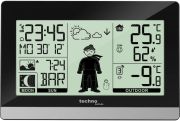
Many weather stations use changes in barometric pressure, temperature and humidity to show a simple forecast symbol, such as sun, cloud or rain. These forecasts can be useful for spotting short-term trends around your home, but they should not replace a detailed regional forecast when severe weather is expected.
More advanced models may show:
- Pressure trends
- Weather tendency arrows
- Rainfall totals
- Wind gusts
- Minimum and maximum readings
- Alerts for frost, heat or high wind
The most useful stations combine clear live readings with simple trend information, rather than overwhelming the display with data that is difficult to interpret.
Do home weather stations need calibration?
Most consumer weather stations are factory-calibrated and ready to use. Official calibration is not normally necessary for everyday home monitoring. However, readings can be affected by poor placement, ageing batteries or sensor exposure, so it is sensible to compare unusual results with a trusted local forecast or another thermometer from time to time.
If accuracy matters for gardening, greenhouse use or detailed record-keeping, choose a model with good sensor placement guidance and the option to adjust readings where appropriate.
A useful addition for weather-aware households
A weather station can be a simple but valuable home device, particularly for gardeners, outdoor enthusiasts and anyone who wants a more accurate picture of conditions immediately outside. A basic wireless model is ideal for temperature and humidity monitoring, while Wi‑Fi-enabled stations offer more detailed data, app access and longer-term tracking.