












Bicycle lighting: Consumer tips
Bicycle lighting is not only important for increasing the visibility of the rider but also for complying with traffic regulations. When selecting the appropriate bicycle lighting, aspects such as brightness, battery life, mounting, and compatibility should be considered. This article discusses the key factors and features of bicycle lighting to assist in the decision-making process for the right lighting system.
What should be considered when purchasing bicycle lighting?
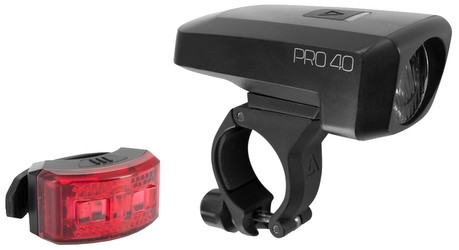
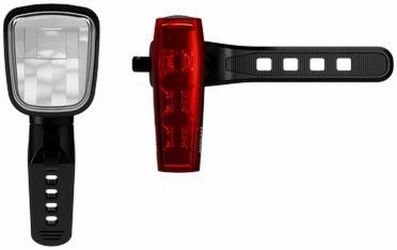
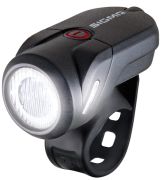
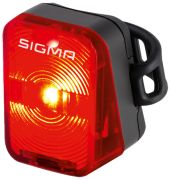
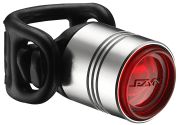
When choosing a bicycle light in the UK, first make sure it complies with the applicable legal requirements. For riding at night, bicycles must have a white front light and a red rear light, and approved flashing or steady lights may be used depending on the rules. Brightness is also important, but lumen figures alone do not tell the whole story. Light distribution, beam quality and range are just as relevant, as they help you see the road ahead clearly and remain visible to other road users.
What types of bicycle lighting are there?
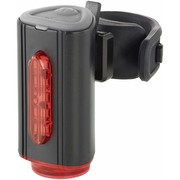
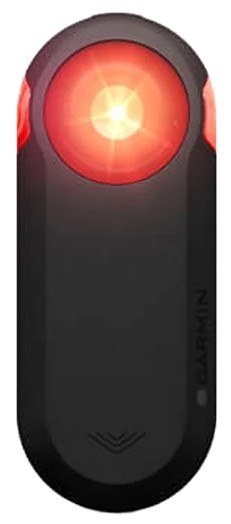
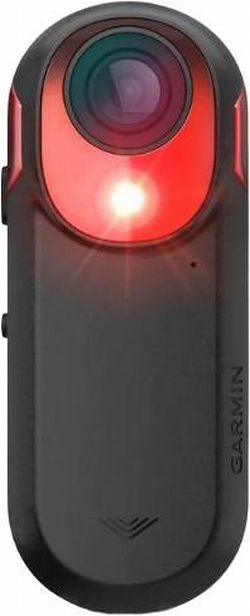
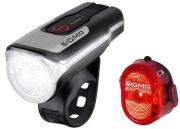
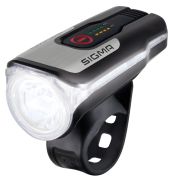
- Battery-powered lighting refers to bicycle lighting systems that are powered by batteries or rechargeable batteries. This type of lighting has become increasingly popular in recent years due to its flexibility, brightness, and ease of use. Battery-powered lights can be easily attached and removed from the bicycle, making them ideal for use in different situations and with various types of bicycles. Since they do not rely on energy generation by the cyclist, they can provide consistent brightness even when stationary or at low speeds. There are various types of battery-powered bicycle lights, including those that use conventional disposable batteries and those that use rechargeable batteries. Rechargeable bicycle lighting is more environmentally friendly and cost-effective, as new batteries do not need to be purchased constantly. Many rechargeable bicycle lights can be charged via a USB port, simplifying handling and allowing the lights to be charged from power banks, laptops, or other USB-capable devices.
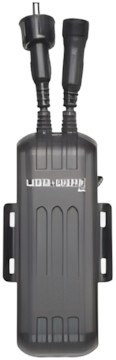
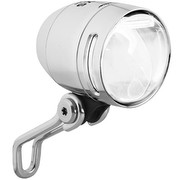
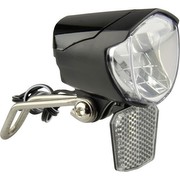
- Dynamo-powered lighting uses the movement of the bicycle to generate energy and power the light. This type of lighting is very environmentally friendly and has the advantage that no batteries need to be replaced or charged. Friction roller dynamos are commonly found on bicycles, especially the side runner dynamo, which is mounted on the side of the wheel. This leads to increased rolling resistance on one hand, and on the other hand, this design is not suitable for all weather conditions. A hub dynamo, however, works independently of weather conditions. However, since the hub dynamo also offers this advantage and achieves higher performance while being maintenance-free, the spoke dynamo is rarely seen anymore. Both generate electricity through the movement of the bicycle and supply the lights with power while riding. If the decision is made for dynamo lighting, the hub dynamo is certainly the most comfortable solution. Additionally, it integrates well visually, as the dynamo is usually integrated as a special hub in the front wheel, replacing the conventional hub. With a stand light function, the dynamo-powered bicycle light remains on for about 5 minutes when one needs to stop, e.g., at a traffic light. Both the rear light and the bicycle headlight can be equipped with stand light.
How much power does a bicycle lamp need?
The brightness of bicycle lighting is specified in lux or lumens. Lux describes the illuminance on the illuminated surface, while lumens indicate the measurable light flow or light output. However, brightness alone is not the only factor to consider when selecting a bicycle lamp. Light distribution and glare effects for other road users also play an important role. A lamp that is very bright in one spot while the rest of the light cone is poorly illuminated would not be ideal for cyclists. Similarly, lamps that provide excellent all-round illumination may not be approved for regular road traffic as they could dazzle oncoming traffic. For regular commuting routes, where the main concern is being seen, a model with a luminous intensity of around 50 lumens should be sufficient. However, for rides on unlit, very dark paths, it is advisable to look for models with at least 200 lumens of luminous intensity. Rear lights vary in brightness between 5 and 100 lumens. Older battery-powered models often lack a lumen specification, indicating that they do not possess particularly strong brightness. To ensure optimal visibility and safety in road traffic, it is important to consider the respective road conditions when selecting the right bicycle lighting.
What is better: halogen or LED lighting?
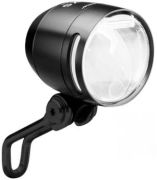
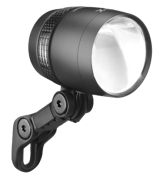
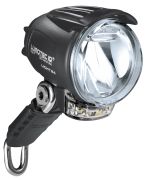
For a long time, halogen lamps were considered the first choice for lighting on the bicycle, but LED headlights have now overtaken them. The reasons for this are primarily the longer lifespan and significantly better efficiency of LEDs. They have a higher efficiency, consume less energy than conventional halogen systems, and allow for better night visibility. Additionally, many LED lights are dimmable, which further increases the lifespan of the lighting at reduced brightness. Another advantage of LED bicycle lights over halogen headlights is that they do not flicker when the power supply fails. The only disadvantage of LED lighting compared to halogen lighting is the higher purchase price. Retrofitting LED lamps is therefore more expensive. Despite the higher price, the advantages of LED far outweigh those of halogen.