









Newly Added Products
Washing machines: Consumer tips

For most UK households, the first choice is between a front-loading washing machine, a top-loading washing machine or a washer dryer.
Front-loading washing machines
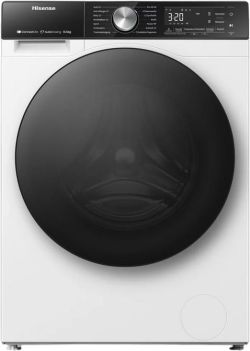
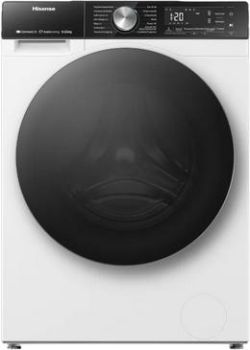
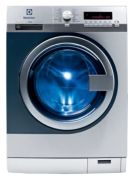
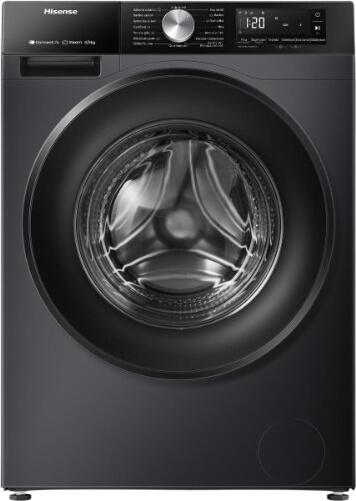
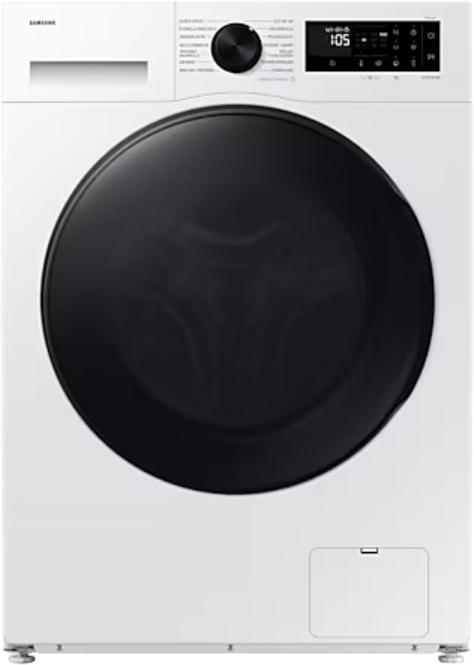
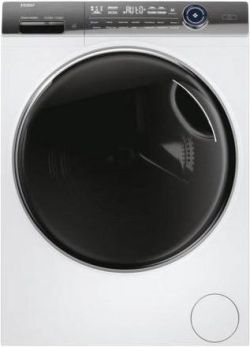
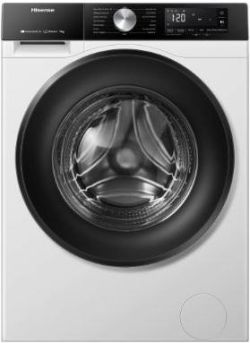
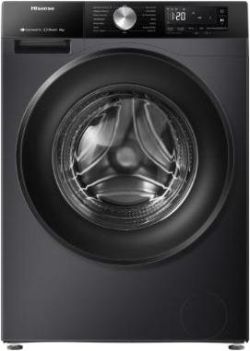
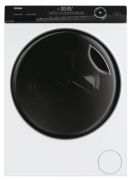
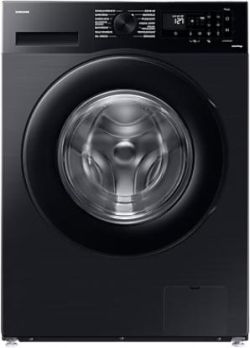
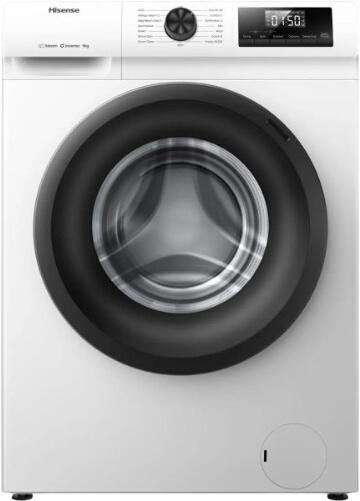
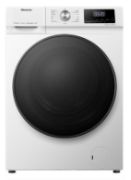
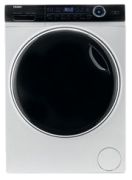
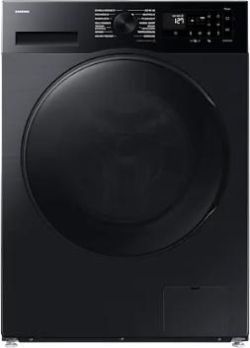
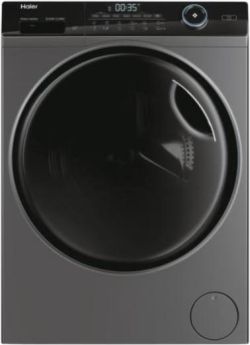
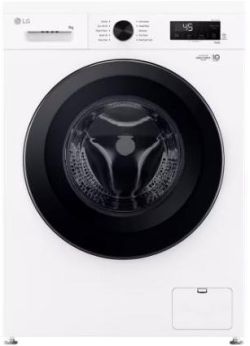
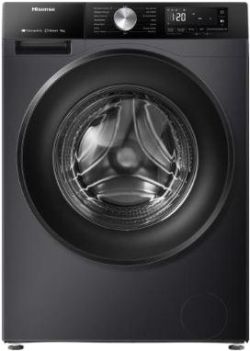
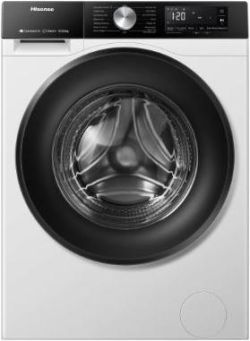
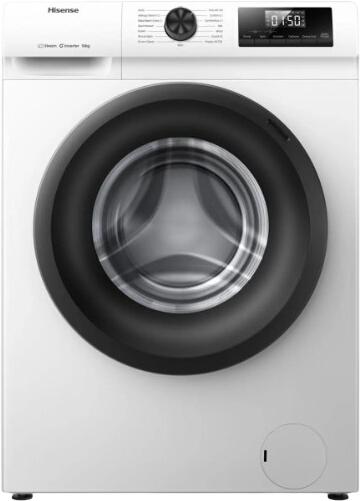
A front-loading washing machine is the standard choice in the UK. The door is on the front, which makes these models easy to fit under a worktop or alongside other appliances. Depending on the design, they are sold as either freestanding or integrated models.
Front-loading machines usually offer the widest choice of capacities and features. Many are a good fit for households that wash frequently, and they are generally easier to match to modern kitchens and utility rooms. Another practical advantage is that the top surface of a freestanding model can often be used as extra space in a utility area.
Load capacities vary widely, but in the UK market the most common options are designed for anything from a smaller household up to busy family use. Rather than focusing on the smallest possible machine, it is usually better to choose a capacity that suits your normal weekly laundry rather than your occasional maximum load.
Top-loading washing machines
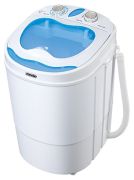
A top-loading washing machine opens from the top and is mainly useful where floor space is tight. These machines tend to be narrower than front-loading models, which can make them a good solution for smaller flats, compact utility spaces or awkward room layouts.
Top-loading models are less common in the UK than front-loading machines, so there is usually less choice. They can also be harder to integrate neatly into a fitted kitchen layout. Still, if width is your biggest constraint, a top-loading machine can be the most practical answer.
Washer dryers
A washer dryer combines washing and drying in one machine, which can be very appealing if you do not have space for a separate tumble dryer. For smaller homes, flats and kitchens without a dedicated laundry area, that convenience can be a major advantage.
However, there are trade-offs. Washer dryers are usually best for people who value space-saving more than maximum drying efficiency. Drying capacity is often lower than washing capacity, so a full wash load may not always be suitable for a full dry cycle in one go. Cycle times can also be long, especially on combined wash-and-dry programmes, and energy use is usually higher than with a separate washing machine and a heat pump tumble dryer. Exact timings vary significantly by model, load size and fabric type, so it is better to compare real programme information than rely on one fixed duration example.
Energy efficiency and running costs
Running costs matter just as much as the purchase price over the life of the machine. UK buyers should look at the current A to G energy label as a practical comparison tool rather than treat it as a recent change. The label helps you compare:
- energy efficiency
- water consumption
- spin performance
- noise
- capacity
- programme data for the Eco 40–60 cycle
The key point is simple: a more efficient machine can cost more upfront but save money over time, especially in households that wash several times a week.
The Eco 40–60 programme is important because it is the standard reference cycle used for label comparisons. It is often the most efficient setting for normally soiled cottons that are washable at 40°C or 60°C. It usually takes longer than faster programmes, but it uses less energy and water. By contrast, quick-wash and speed functions are convenient when time matters, but they often use resources less efficiently.
When comparing models, do not just look at the letter rating. Also look at:
- the machine’s capacity
- water use per cycle
- cycle times
- noise during spinning
- whether the machine suits your normal wash habits
Spin speed: how much do you need?
Spin speed (rpm) affects how much moisture remains in clothes after washing. In general, the higher the spin speed, the drier the laundry will come out, which reduces drying time afterwards.
Many washing machines still offer common spin speeds such as 1,200 or 1,400 rpm, but faster-spin models are also available in the UK market. A higher spin speed is useful if you line-dry indoors, use a tumble dryer regularly or wash heavier items such as towels and bedding.
That said, higher is not always better for every load. Delicate fabrics often need a gentler spin, and it is useful if the machine allows you to reduce the spin speed manually. Good programme flexibility matters more than simply choosing the highest rpm on paper.
Noise levels
Noise is especially important if the washing machine will be in a kitchen, hallway or open-plan living area. Older advice that treats under 70 dB as a blanket definition of “quiet” is too simplistic. In practice, what matters most is how noisy the machine is during the spin cycle, because that is usually when it is loudest.
In 2026, a quieter machine is generally one with well-controlled vibration, good insulation and sensible spin behaviour, not just one headline decibel figure. If noise matters, compare the labelled spin noise and look for buyer-friendly features such as:
- quieter motor design
- anti-vibration side panels or systems
- delay timers for off-peak or daytime washing
- stable spinning at high speed
Proper installation also matters. Even a good machine can sound much louder if it is not level or is standing on an unsuitable floor.
Safety and leak protection
Leak protection is worth paying attention to, especially in kitchens, upper-floor flats and homes with wooden flooring. Some brands use names such as AquaStop, Water Protect or similar, but the exact branding varies. What matters is the function: protection against leaks, hose failure or overfilling.
It is best to check exactly what level of protection the model offers rather than assume all systems do the same thing. Some machines monitor water intake electronically, while others add more complete hose or shut-off protection.
Programmes and features worth having
Most modern washing machines offer far more programmes than most households actually need. Instead of chasing the longest feature list, focus on the settings you will realistically use. Useful programmes and options often include:
- cottons
- mixed load
- delicates
- wool
- easy-care or synthetics
- quick wash
- rinse and spin
- allergy or hygiene cycle
- bedding or duvet cycle
- outdoor wear programmes where relevant
For busy households, features such as delay start, child lock, automatic load sensing and shorter everyday programmes can be just as valuable as specialist cycles.
Which type is right for your home?
For most UK buyers, a front-loading washing machine is still the best all-round option because it offers the widest choice of sizes, features and prices. A top-loading machine is mainly worth considering where space is unusually restricted. A washer dryer can be the right compromise if you are short on room, but it is usually more about convenience than peak drying performance.