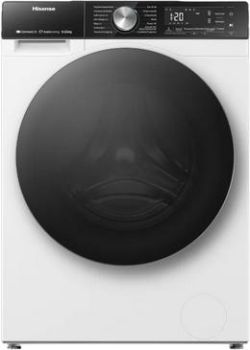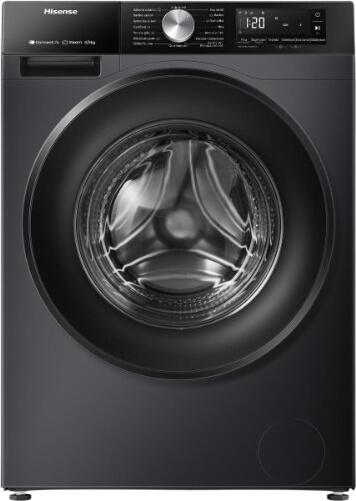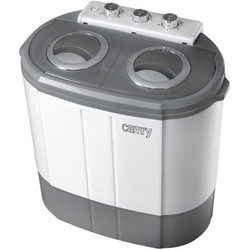




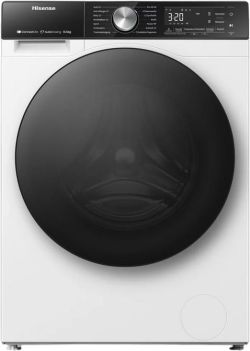
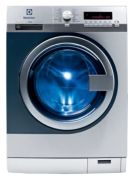
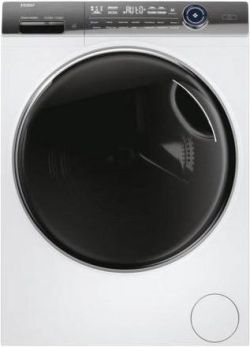
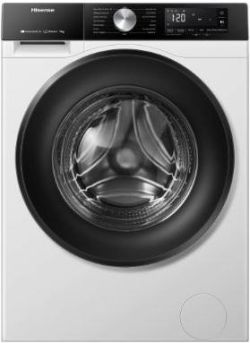

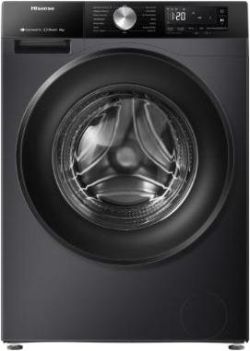
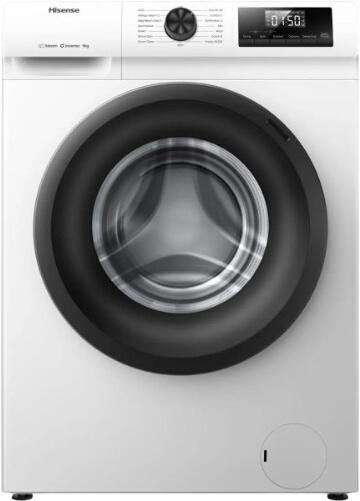
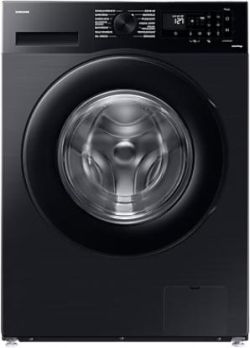


Front Loaders: Consumer tips

They are available in a wide range of drum capacities, sizes and prices. As a washing machine is likely to be used several times a week for many years, it is worth comparing installation dimensions, running costs, noise levels and programmes as well as the purchase price.
Size, capacity and installation
Most full-size front-loading washing machines are approximately 60cm wide and 85cm high, but depth can vary considerably. Slim-depth models are useful for narrow kitchens, cupboards and utility rooms, although they may have a smaller drum or reduced capacity.
Measure the installation space carefully, including room for hoses, the plug socket, door opening and ventilation. If you intend to fit the machine below a worktop, check whether it is specifically designed to be built under. Some freestanding models have a removable top, while others require clearance above them and should not be altered.
Drum capacity is measured in kilograms and refers to the maximum dry weight of laundry for selected programmes. A larger drum is useful for family washing, bedding and towels, but avoid buying more capacity than you need if it means regularly running small loads.
As a general guide:
- 6kg to 7kg: suitable for one or two people and smaller households
- 8kg to 9kg: a flexible choice for many households
- 10kg or more: useful for larger families, bulky bedding and frequent washing
- Slim-depth models: practical where space is limited, but check the actual drum capacity and door clearance
A top-loading washing machine may suit a very narrow room because it does not need space for a front door to open. However, it cannot be installed beneath a worktop in the same way as most front loaders.
Compare energy and water use
For washing machines sold in Great Britain, use the UK energy label to compare energy use, water consumption and noise. The label uses a scale from A to G and shows energy consumption in kilowatt-hours per 100 cycles, based on the Eco 40–60 programme. It also shows water consumption per cycle, programme duration, maximum load capacity, spin-drying performance and noise during the spin phase.
In Northern Ireland, EU energy-labelling rules may apply, so the format may differ slightly. In either case, compare the label information for similar-capacity machines rather than choosing by energy class alone.
The Eco 40–60 programme is designed for normally soiled cotton items labelled for washing at 40°C or 60°C. It is usually the most efficient programme for energy and water use, but it can take considerably longer than a quick wash. Long programme times are therefore not necessarily a sign of poor performance.
Quick programmes are useful for lightly soiled items or smaller loads when time matters, but they are not always the most economical option. Check the manual for the stated maximum load, as many quick cycles only accept a limited amount of laundry.
Spin speed and drying time
Spin speed is measured in revolutions per minute (rpm). A faster spin removes more water from laundry, helping clothes dry more quickly on an airer or in a tumble dryer. However, delicate fabrics need gentler spin settings to avoid unnecessary wear and creasing.
Most front-loading machines offer maximum spin speeds between 1,000rpm and 1,600rpm. For everyday mixed laundry, 1,200rpm or 1,400rpm is usually sufficient. A higher maximum speed can be useful for towels, bedding and cottons, especially if you use a tumble dryer, but it may also create more noise and vibration.
A good machine should let you adjust the spin speed and temperature for individual washes. Look for imbalance detection, which helps reduce excessive movement if the load gathers on one side of the drum.
Programmes and useful features
Most washing machines include programmes for cottons, synthetics, delicates, wool, rinse and spin, and quick washes. Beyond these basics, choose features that match your household’s routine rather than paying extra for modes you are unlikely to use.
Steam-refresh programmes can help reduce creasing and freshen lightly worn clothes, while hygiene settings may use higher temperatures or additional rinses. Allergy programmes can be useful for some households, but follow garment-care labels and do not assume that every setting is suitable for all fabrics.
Useful functions to compare include:
- Delay start: lets you schedule a wash for a convenient time
- Add-garment function: allows forgotten items to be added early in the cycle
- Automatic load sensing: adjusts water and energy use to the load size
- Steam or anti-crease options: may reduce creasing and freshen clothes
- Extra rinse: useful for some people with sensitive skin or for heavily soiled items
- Child lock: prevents settings being changed during a cycle
- Leak protection: systems such as AquaStop can help reduce the risk of water damage
- Wi-Fi or app controls: may provide programme guidance, notifications and remote monitoring, but should not be essential unless you will use them
Smart features can be convenient, but check whether key functions still work without an app and whether the manufacturer provides ongoing software support.
Noise and vibration
Noise is especially important if the machine will be installed in an open-plan kitchen, near a bedroom or in a small flat. The UK energy label includes the spin noise level in decibels and a noise class. Compare this information alongside the maximum spin speed, as faster-spinning machines can be louder.
Correct installation makes a major difference. Remove the transport bolts before first use, ensure the machine is level and place it on a solid floor. Anti-vibration pads can help in some situations, but they will not correct an uneven floor or an incorrectly installed appliance.
Front-loading washing machine buying checklist
- Measure the width, height and depth of the space, including hose and door clearance.
- Choose a drum size that suits your usual load rather than buying the largest available model.
- Compare the UK energy label for energy use per 100 cycles and water use per cycle.
- Check Eco 40–60 programme duration and quick-wash load limits.
- Choose adjustable spin speeds; 1,200rpm to 1,400rpm suits most everyday needs.
- Compare spin noise if the machine will be close to living or sleeping areas.
- Look for a child lock, leak protection and automatic load sensing.
- Consider steam, extra-rinse and smart features only if they suit your routine.
- Confirm whether the model is freestanding, built-under compatible or suitable for stacking with a dryer.
- Check delivery, installation, old-appliance removal and warranty terms before ordering.