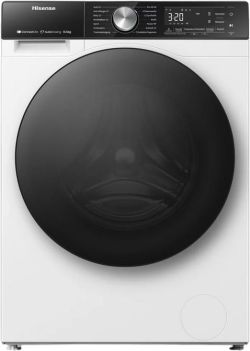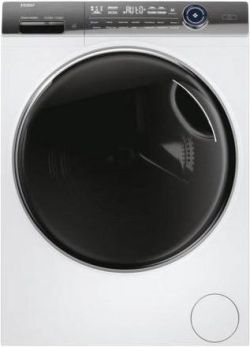









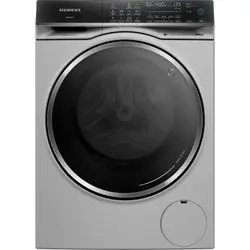


Washer dryer: Consumer tips

What is a washer dryer?
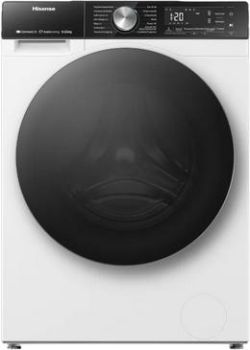
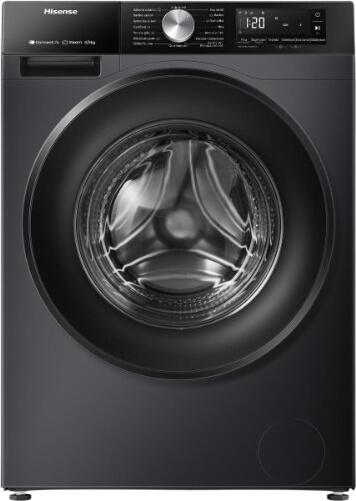
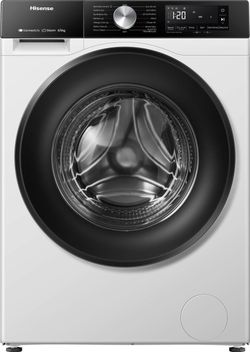
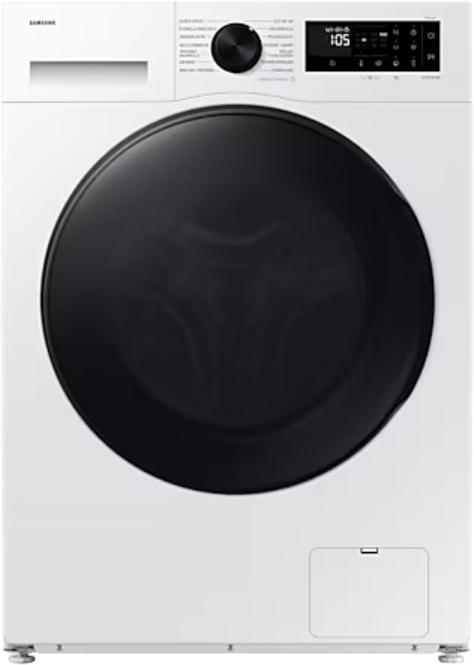
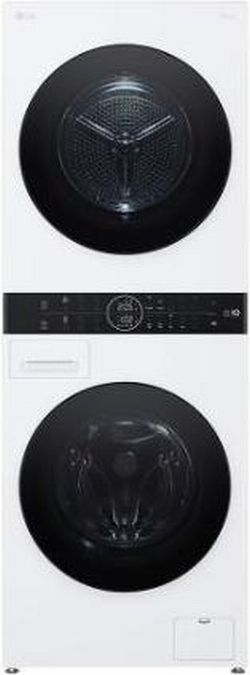
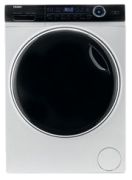
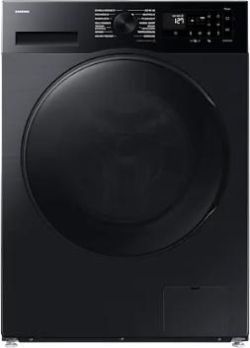
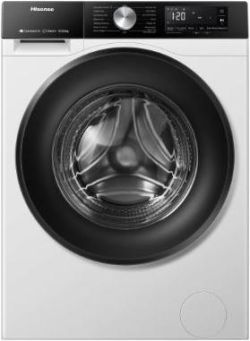
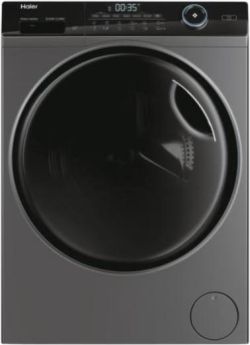
A washer dryer is a single appliance that both washes and dries clothes. It is designed for people who want the convenience of both functions in one machine, particularly where space is limited. This makes it especially useful in homes where a separate tumble dryer may not be realistic.
The main benefit is space saving, but there are other advantages too:
- One appliance instead of two
- Useful for flats and smaller homes
- Less need to move laundry between separate machines
- Can simplify the laundry setup in compact spaces
Important buying points for washer dryers
The most important thing to understand is that washing capacity and drying capacity are usually different. A washer dryer may wash a larger load than it can dry in one go, so it is important not to assume the two figures are the same.
Key points to compare include:
- Wash capacity
- Drying capacity
- Appliance dimensions
- Spin speed
- Programme range
- Noise level
- Energy and water consumption
- Smart control features on supported models
Capacity and size
Capacity should match the household. A washer dryer that is too small will feel restrictive very quickly, while one that is too large may be unnecessary for a single person or couple.
As a general guide:
- Smaller households: lower-capacity models may be enough
- Couples and regular laundry users: a mid-sized model is often more practical
- Families or shared homes: larger wash capacities are usually the better choice
It is also important to check the physical size carefully, especially in UK kitchens, utility areas and under-counter spaces. Measure width, depth, door clearance and plumbing space before buying.
Energy and water use
Efficiency still matters, but broad claims about all washer dryers being major “energy and water wasters” are too simplistic. Performance varies significantly by model, programme and usage pattern. Washer dryers do often use more water and energy for a full wash-and-dry cycle than a wash-only cycle, but modern machines are more efficient than older models and should be compared on their actual product specifications rather than on outdated blanket assumptions.
For shoppers, it is sensible to check:
- The energy label
- Programme-specific energy use
- Water consumption figures
- Eco modes
- How often you will use the drying function
If you only dry occasionally, a washer dryer can make far more sense than the older reputation of the category might suggest.
Programmes and features
Modern washer dryers offer much more than basic cotton cycles. Depending on the model, useful features may include:
- Eco programmes
- Quick wash options
- Wash-and-dry cycles
- Delicates and wool settings
- Steam refresh or steam smoothing
- Allergy-focused programmes
- Automatic dosing on some premium models
- App control or remote monitoring on selected machines
Smart features can be useful, but they are secondary to capacity, reliability and efficiency. If you do want connected features, check that they work easily with your phone and home setup rather than choosing on smart branding alone.
Noise level
Noise can be especially important in flats, open-plan spaces or homes where the machine is close to living or sleeping areas. A quieter model can make a big difference in day-to-day use, particularly if you run loads in the evening.
Is a washer dryer worth buying instead of two separate appliances?
A washer dryer is usually most worthwhile when space is the deciding factor. If you have room for a separate washing machine and tumble dryer, two appliances may still offer more flexibility, especially for large households or heavier laundry routines. But where space is limited, a washer dryer can be the more practical and realistic option.
The most balanced view is this:
- Washer dryer: best for smaller homes and convenience where space is limited
- Separate machines: often better for larger households and higher laundry volumes
It is no longer helpful to present washer dryers as automatically poor value or dramatically short-lived. Reliability and long-term ownership vary by model and usage, so it is better to compare build quality, warranty support and running costs than rely on older broad claims.
What should you consider before buying?
For buyers, practical fit matters just as much as technical specification. Before buying, check:
- Whether the appliance fits the available width and depth
- Door opening space
- Plumbing and drainage setup
- Wash capacity versus drying capacity
- Spin speed
- Energy label and running-cost expectations
- Noise level
- Whether installation access is straightforward in the property
In most homes, front-loading washer dryers are the standard format. If space is unusually tight, look carefully at dimensions rather than assuming one style will always solve the problem.
Spin speed and drying performance
Spin speed still matters because the drier the laundry is at the end of the wash cycle, the less work the drying function has to do afterwards. That can affect both drying time and energy use. However, the highest speed is not always essential for every household, especially if garment care matters more than maximum extraction.